
Key takeaways
- KitchenAid Artisan vs Classic stand mixer: compare bowl size, motor wattage, build and attachments, with a capacity example to choose the right tilt-head.
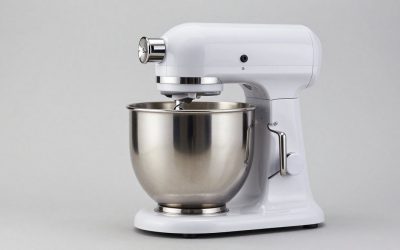
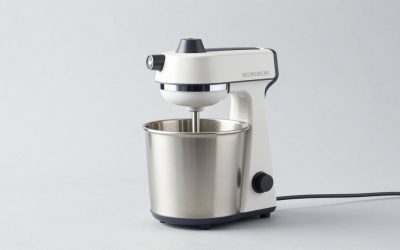
The KitchenAid Artisan and the Classic are both tilt-head stand mixers, and the Artisan is the larger and more powerful of the two. Based on published specifications, the Classic has a smaller 4.5-quart bowl and a lower-wattage motor, while the Artisan steps up to a 5-quart bowl, a stronger motor and many more color choices. For occasional baking, the Classic is usually enough. For frequent baking, bigger batches or dough, the Artisan gives more headroom. Specifications change between production runs, so check current details before buying.
Quick verdict
Pick the Classic if you bake now and then, make cakes, frostings and cookies in ordinary quantities, and want the lowest cost of entry into the KitchenAid tilt-head family. Pick the Artisan if you bake weekly, double recipes, make thick cookie dough or bread, or want the mixer to sit on the counter in a particular color. The two share the same basic design, so the decision is about capacity, power and finish, not about a completely different machine.
This comparison uses published specifications, manufacturer documentation and general knowledge. It does not claim that anyone used either machine, and exact figures can differ between model numbers and regions.
Side-by-side comparison
| Feature | Classic (general) | Artisan (general) |
|---|---|---|
| Style | Tilt-head | Tilt-head |
| Bowl capacity | About 4.5 quarts | About 5 quarts |
| Motor rating | Lower wattage, commonly listed around 250 watts | Higher wattage, commonly listed around 325 watts |
| Speeds | Ten speeds | Ten speeds |
| Attachment hub | Yes, power hub on the front | Yes, power hub on the front |
| Color choices | Fewer, often basic finishes | Many colors |
| Bowl design | Varies by version; check handle and material | Varies by version; commonly stainless steel with a handle |
| Typical use | Occasional to regular baking | Regular to frequent baking |
Wattage is not a direct measure of mixing power, because gear design and motor type matter. It is useful mainly for comparing machines within the same product family, like these two.
Bowl size and what it means for batches
The Artisan bowl holds roughly 0.5 quarts more than the Classic. In percentage terms, 5 divided by 4.5 is about 1.11, so the Artisan bowl is roughly 11 percent bigger. That is a modest increase. It will not let you double every recipe, but it can be the difference between a recipe fitting comfortably and splashing over the rim.
Remember that the usable capacity is smaller than the label. Whipping cream, egg whites and batters expand as air is added, and thick doughs fill the bowl by weight and stiffness more than by volume. The manual lists maximum quantities for flour and dough, and staying under those limits protects the gears.
Motor power and heavy dough
The higher-wattage motor in the Artisan gives some extra margin when mixing stiff mixtures such as cookie dough with many add-ins, bagel dough or dense bread dough. The Classic can handle regular dough in moderate amounts, but it is more likely to strain on large or stiff batches. Signs of strain include the motor sounding labored, the head lifting, or the whole machine shifting on the counter.
If you are comparing against a bowl-lift mixer instead, the usual advice is that bowl-lift designs suit heavy, frequent bread baking. Both tilt-head models here fit lighter to mid-weight work better.
Worked example: doubling a cookie recipe
Assume a cookie recipe that fills about 3 quarts of bowl volume when mixed. Doubling it would require roughly 6 quarts, which exceeds both bowls (4.5 and 5 quarts), so neither machine can double it in one batch. Increasing the recipe by half instead gives about 4.5 quarts. That would fill the Classic to its brim, which is too full to mix cleanly, while the Artisan would be at roughly 90 percent of its volume, still tight. The practical solution in both cases is to mix a single batch at a time, or to make a 1.25 times recipe.
The lesson is that capacity gains are real but small. If you regularly need larger batches, think about whether a bigger bowl-lift model would suit you better than moving up one tilt-head tier.
Build, finish and bowl details
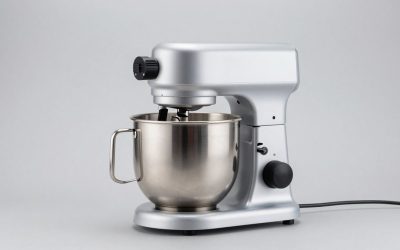
Both machines have a metal body, a tilt-head latch and a similar footprint, so they take up about the same space and weigh similar amounts. Finishes are where they diverge: the Artisan is sold in a large range of colors, which matters if the mixer sits out on a counter. The Classic is typically offered in fewer options.
Bowl details vary by version. Some bowls have a handle, some do not, and materials can be stainless steel or glass depending on the package. Check the exact configuration, because a handle makes pouring and carrying easier, particularly with a full bowl. Also check whether a pouring shield is included, since it helps keep flour and splashes in the bowl.
Attachments and accessories
Both models have the front power hub, which accepts the family of optional attachments for pasta, grinding, slicing and more. Check that the specific attachment lists your model as compatible. Beaters and bowls are less interchangeable. A bowl built for one size may not fit another model’s base, and a beater may sit too high or too low in the bowl. If you plan to buy extra bowls, match them to your model number.
- Flat beater: general mixing, cakes, cookie dough
- Dough hook: bread and pizza dough
- Wire whisk: egg whites, whipped cream, meringue
- Optional power-hub attachments: pasta, grinder, slicer
Which one fits you
Occasional baker: a few cakes and batches of cookies each month. The Classic usually covers this, and the lower cost can fund a whisk or bowl accessory.
Regular baker with a family: weekly baking, larger batches, occasional bread. The Artisan’s extra capacity and power are easier to justify.
Gift buyer: color choice may matter most. The Artisan’s range of finishes makes it popular for gifts, but check the return policy and the exact model.
Heavy bread baker: either tilt-head may feel limited. Consider a larger design if you knead stiff dough several times a week.
Safety, care and what to check before buying
Unplug the mixer before changing beaters, attaching accessories or cleaning, and keep hands, spatulas and hair away from moving parts. Do not exceed the manual’s maximum dough quantities, and let the motor rest if it feels hot. Wipe the body with a damp cloth, never immerse the base, and check which bowl and beaters are dishwasher safe.
Before buying, confirm the model number, bowl capacity, included accessories, warranty length and return window. Compare the same configuration across stores, since bundles can look cheaper while leaving out a bowl or shield. Read recent buyer comments on noise, tilt-head wobble and customer service.
Related guides
- 8 Quart Pressure Cooker For Large Families
- Nonstick Cookware Set For Glass Top Stoves
- Blender For Crushing Ice And Frozen Fruit
Frequently asked questions
What is the main difference between the Artisan and the Classic?
Based on published specifications, the Classic is the smaller, simpler tilt-head mixer, with a 4.5-quart bowl and a lower-wattage motor, while the Artisan has a 5-quart bowl, a higher-wattage motor and a wider choice of colors. Both are tilt-head models that use the same style of attachment hub. Specifications and bundled accessories can change, so check current listings before buying.
Can the Classic mixer knead bread dough?
Yes, within limits. Many home bakers knead bread dough in tilt-head mixers, but heavy, stiff or large batches strain smaller motors. The manual lists maximum quantities for dough, so stay under them and watch for the mixer straining or walking on the counter. If you bake bread weekly or in large loaves, consider a larger or sturdier model.
Do the Artisan and Classic use the same attachments?
Both have the front attachment hub that KitchenAid has used across many of its home mixers, so most power-hub attachments such as pasta rollers, meat grinders and slicers are generally compatible. Bowls, beaters and accessories are not always interchangeable between sizes, so confirm fit on the product page, especially for bowls and flat beaters.
Is the Artisan worth the extra cost?
It can be if you bake often, mix larger batches or want a wider selection of finishes. The extra capacity and motor power give more headroom with thick cookie dough or bread. If you bake occasionally and mostly make cakes, frosting and small batches, the Classic may cover your needs and leave money for attachments.
Are these mixers hard to maintain?
Routine care is simple. Unplug the mixer, wipe the body with a damp cloth, and wash the bowl and beaters as the manual directs, since some are dishwasher safe and others are not. Do not immerse the mixer base in water. Periodic hub or gear grease problems should be handled through the manufacturer or an authorized service provider, not by opening the housing yourself.


Write Your Review
No reviews yet. Be the first to share your experience!