
Key takeaways
What's inside
Best water for espresso machine use is the secret weapon every home barista needs to unlock rich extraction flavors and prevent costly mineral buildup inside delicate boilers. Tap water often contains high levels of calcium and magnesium that ruin espresso taste and destroy internal heating elements over time. Whether you are using a premium dual-boiler setup or a compact entry-level pod machine, switching to purified water completely transforms your daily routine. This comprehensive guide will explore the top water options available, compare their mineral profiles, and help you choose the ideal hydration solution for your specific brewing equipment.
🛒 Best Price Today on Amazon
Prime members get fast, free shipping on everything above, plus member-only deals. New members get a 30-day free trial — cancel anytime.
How to Choose the Right Water for Your Espresso Machine
Selecting the right water requires balancing mineral content for optimal flavor extraction with low hardness to prevent stubborn scale accumulation in your espresso machine.
As an Amazon Associate we earn from qualifying purchases at no extra cost to you. Product prices and availability are accurate as of the date shown and are subject to change.




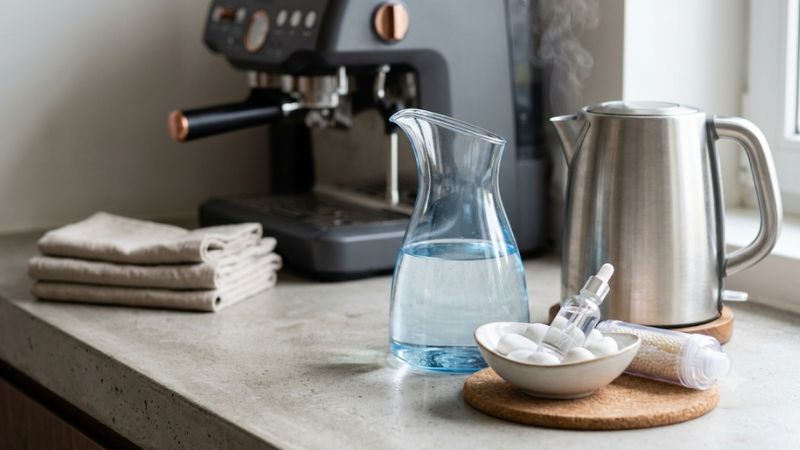
Mineral content directly influences how well water extracts compounds from roasted coffee beans, directly affecting acidity, sweetness, and overall body. Hard water creates a flat, muddy taste while clogging internal valves, whereas completely demineralized water tastes flat and can actually leach metals from brass boilers. Understanding these chemical nuances ensures you protect your investment while pulling café-quality shots right in your kitchen every single morning.
Third-Wave Water Mineral Packets
Third-Wave Water mineral packets provide an exact blend of magnesium and calcium designed specifically to optimize espresso extraction flavor profiles. Home baristas love these packets for their absolute consistency and ease of use when mixed with distilled water gallons. However, purchasing and mixing individual packets can become tedious over time for heavy daily coffee drinkers.
These specialized mineral packets are best suited for specialty coffee enthusiasts who demand absolute precision and café-grade flavor clarity in every cup. You simply empty one pre-measured stick into a gallon of distilled water, shake gently, and fill your espresso machine reservoir immediately. While the ongoing cost of packets adds up, the flavor enhancement and absolute lack of scale make it worthwhile.
distilled water with replenishment
Using pure distilled water prevents all scale formation but lacks the essential minerals needed to properly extract flavorful coffee compounds. Smart baristas solve this issue by adding specific buffer minerals back into the distilled base to create balanced brewing water. This method requires careful measuring equipment and a bit of chemistry knowledge to get the mineral ratios completely right.
Home baristas with high-end dual boiler machines appreciate this technique because it guarantees zero limescale will ever form inside their equipment. The primary drawback is the daily hassle of mixing, testing, and storing custom water blends before you can even brew. Yet for dedicated espresso hobbyists, this absolute control over mineral composition is an immensely rewarding part of the daily ritual.
ZeroWater Filtration Pitchers
ZeroWater filtration pitchers utilize a five-stage ion exchange system that removes virtually all dissolved solids from standard tap water sources. Users consistently praise these affordable pitchers for producing pure water that keeps espresso machine boilers sparkling clean and completely scale-free. On the downside, the proprietary filter cartridges exhaust quite rapidly if your local tap water supply has high initial mineral levels.
Budget-conscious espresso lovers who want clean water without buying bottled gallons will find this pitcher to be an exceptional solution. You simply pour tap water through the top reservoir and wait a few minutes for complete filtration into the main pitcher. Replacing filters regularly ensures your machine stays protected, though ongoing cartridge costs require careful budget consideration over time.
Poland Spring Bottled Spring Water
Poland Spring bottled spring water offers a convenient, ready-to-use hydration option with naturally occurring minerals that enhance espresso crema and mouthfeel. Busy home baristas appreciate skipping the mixing and filtering steps entirely while still enjoying balanced mineral content for extraction. Unfortunately, heavy plastic bottle consumption creates environmental waste and ongoing grocery store expenses that accumulate quickly.
This natural spring water works wonderfully for casual espresso drinkers who prioritize convenience and consistent mineral balance above all else. You simply unscrew the cap and pour the bottled water directly into your espresso machine water reservoir without delay. While convenient, you should test the total dissolved solids of your local batch to ensure calcium levels remain safe.
Crystal Geyser Natural Alpine Spring Water
Crystal Geyser natural alpine spring water provides a reliable mineral composition sourced from protected underground springs across various regional locations. Coffee hobbyists value this brand for its consistent pH balance and moderate mineral hardness that supports vibrant espresso flavor extraction. The primary disadvantage is that mineral profiles can vary slightly depending on which regional bottling plant supplied your bottles.
This bottled water is ideal for espresso enthusiasts seeking a middle-ground solution between aggressive mineral packets and overly stripped distilled water. Pouring it straight from the gallon jug into your machine streamlines your morning routine while keeping scale formation remarkably low. It delivers great taste without requiring any complicated chemical adjustments or expensive filtration installation processes.
Top Picks for Espresso Machine Water
Finding the ultimate water solution for your daily espresso routine depends on balancing convenience, flavor enhancement, and boiler protection.
| Product Name | Primary Type | Scale Protection | Flavor Impact | Best For |
| Third-Wave Water Packets | Mineral Additive | Excellent | Outstanding | Specialty Coffee Lovers |
| ZeroWater Filtration Pitcher | Ion Exchange Filter | Excellent | Good | Budget Home Baristas |
| Poland Spring Bottled Water | Natural Spring | Moderate | Great | Convenience Seekers |
| Crystal Geyser Spring Water | Natural Spring | Moderate | Very Good | Everyday Espresso |
Third-Wave Water Classic Espresso Profile
The Third-Wave Water Classic Espresso Profile delivers scientifically calibrated mineral ratios designed to maximize sweetness and crema production. Expert reviewers praise this specific formula for bringing out delicate fruit notes in light roast espresso beans effortlessly. A minor drawback is that you must supply your own distilled water gallons to mix with the powder packets.
This product is tailor-made for serious espresso aficionados who want competition-level extraction quality in their home kitchens. Mixing the packet with a gallon of distilled water takes less than a minute before it is ready for your machine. It represents the gold standard for achieving the best water for espresso machine brewing performance.
| Feature | Specification |
| Format | Dry Powder Packets |
| Target Water | Distilled or RO |
| Box Quantity | 12 Sticks |
| Mineral Focus | Magnesium and Calcium |
ZeroWater 10-Cup Ready-Pour Pitcher
The ZeroWater 10-Cup Ready-Pour Pitcher effectively eliminates total dissolved solids to provide ultra-pure water for scale-free espresso machine operation. Users love the included water quality meter that lets you test purity levels instantly before filling your brewing reservoir. However, the slow filtration speed through the dense multi-stage filter can test your patience during busy mornings.
This filtration pitcher is best for apartment dwellers and home baristas who lack space for complex reverse osmosis water filtration systems. Pouring tap water into the top chamber requires zero plumbing modifications or permanent counter installations in your kitchen. It remains a reliable tool for securing the best water for espresso machine longevity.
| Feature | Specification |
| Capacity | 10 Cups |
| Filter Type | 5-Stage Ion Exchange |
| Included | TDS Meter |
| Certification | NSF Certified |
Poland Spring 1-Gallon Jugs
Poland Spring 1-Gallon Jugs offer a readily available, perfectly balanced spring water source that requires zero preparation or mixing steps. Daily users appreciate the sturdy handle design that makes pouring water into espresso machine tanks safe and spill-free. The main drawback involves lugging heavy plastic jugs home from the grocery store on a regular basis.
This bottled water option suits busy professionals who want great-tasting espresso without spending time managing water chemistry parameters. Keeping a few jugs in your pantry ensures you always have safe water ready for your morning brewing session. It provides a straightforward path toward finding the best water for espresso machine protection.
| Feature | Specification |
| Volume | 1 Gallon per Jug |
| Source | Protected Springs |
| Packaging | Recyclable Plastic |
| Mineral Level | Balanced Moderate |
Frequently Asked Questions
Understanding espresso water chemistry helps you avoid common pitfalls and keep your expensive brewing equipment running smoothly for years.
Tap water destroys espresso machines because hard minerals like calcium and magnesium precipitate inside hot boilers to form thick limescale crusts. This mineral accumulation blocks internal valves, ruins heating elements, and alters the thermal stability required for proper coffee extraction. Installing proper water filtration prevents these costly repairs and ensures every shot tastes clean and vibrant.
Distilled water alone can damage espresso machines because completely mineral-free water acts as a solvent and leaches metals from brass boilers. Furthermore, brewing with pure distilled water results in a flat, lifeless espresso taste because minerals are necessary for proper extraction. Always remineralize distilled water or blend it with spring water before adding it to your machine reservoir.
You should test your espresso machine water hardness monthly using a simple test strip to monitor mineral accumulation levels accurately. If your total hardness reading exceeds fifty parts per million, you need to switch to a softer water source immediately. Regular testing protects your investment and alerts you when filtration cartridges or mineral packets require replacement.
Descaling frequency depends entirely on your water source, but machines using filtered or bottled water typically require descaling every three months. If you use hard tap water, you might need to descale every month to prevent catastrophic mineral blockages inside the boiler. Using proper water solutions minimizes the need for harsh chemical descaling procedures altogether.
Final Thoughts
Selecting the ideal water source for your coffee setup is essential for achieving incredible flavor clarity and preventing permanent equipment damage. By understanding mineral profiles and investing in quality filtration or remineralization methods, you ensure every shot hits its mark. Evaluating your local tap water hardness and choosing a compatible option from our top picks will elevate your morning brewing experience. Implementing these smart water habits guarantees your espresso machine will deliver exceptional performance and delicious coffee for many years ahead.
Write Your Review
No reviews yet. Be the first to share your experience!