
Key takeaways
- Ceramic Nonstick: Often derived from natural materials like sand, ceramic coatings are PFOA and PTFE-free, making them a popular eco-conscious choice. They offer good release for eggs but can sometimes be less durable than other options if not cared for properly.
- Granite Nonstick: A common and effective option, granite-infused nonstick coatings typically refer to a metal base (often aluminum) with multiple layers of reinforced nonstick coating, sometimes with mineral or granite particles embedded. This often results in good durability and excellent food release. Pans like the HUPECHAM 4-Cup Egg Pan and CAROTE Nonstick Frying Pan utilize this technology.
- PTFE (Teflon) Based: These are the traditional nonstick coatings. Modern PTFE coatings are safe when used as intended (avoiding overheating beyond 500°F / 260°C) and offer exceptional nonstick performance and durability. High-quality pans, such as the All-Clad D3 Pro Nonstick, often feature advanced PTFE coatings.
- Hybrid Coatings: Some brands are developing hybrid coatings that combine elements of different technologies to achieve enhanced durability and release.
What's inside
- Watch: How to Choose the Perfect Nonstick Pan for Eggs — Video Review
- Understanding Nonstick Coatings in 2026
- Size and Shape Matters for Eggs
- Material and Construction: The Foundation of Performance
- Handle Comfort and Lid Inclusion
- Tips for Maximizing Your Nonstick Egg Pan
- Frequently Asked Questions
- Related Articles
- Related Guides
Achieving perfectly cooked, slide-off-the-plate eggs is a culinary dream for many home cooks. While a skilled hand and the right technique play a crucial role, the right nonstick pan can be your most valuable ally. In 2026, the nonstick pan market offers a dazzling array of options, but not all are created equal, especially when it comes to delicate fried eggs. This guide will equip you with the knowledge to navigate the choices and select the ideal nonstick pan that will make your breakfast routine a joy.
- Watch: How to Choose the Perfect Nonstick Pan for Eggs — Video Review
- Understanding Nonstick Coatings in 2026
- Size and Shape Matters for Eggs
- Material and Construction: The Foundation of Performance
- Handle Comfort and Lid Inclusion
- Tips for Maximizing Your Nonstick Egg Pan
- Frequently Asked Questions
- Related Articles
- Related Guides
We’ll delve into the key features to consider, explore different types of nonstick coatings, and highlight specific pan designs that excel at egg duty. Get ready to say goodbye to stuck-on whites and broken yolks!
As an Amazon Associate we earn from qualifying purchases at no extra cost to you. Product prices and availability are accurate as of the date shown and are subject to change.




⚡ Save on Your Next PC — Amazon Prime
Prime members get fast free shipping on the systems above, plus early access to Prime Day & Black Friday PC deals. New members get a 30-day free trial.
Watch: How to Choose the Perfect Nonstick Pan for Eggs — Video Review
Understanding Nonstick Coatings in 2026
The nonstick coating is the heart of your egg pan. In 2026, you’ll encounter a few primary types, each with its pros and cons:
- Ceramic Nonstick: Often derived from natural materials like sand, ceramic coatings are PFOA and PTFE-free, making them a popular eco-conscious choice. They offer good release for eggs but can sometimes be less durable than other options if not cared for properly.
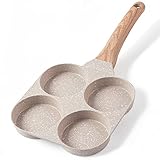
- Granite Nonstick: A common and effective option, granite-infused nonstick coatings typically refer to a metal base (often aluminum) with multiple layers of reinforced nonstick coating, sometimes with mineral or granite particles embedded. This often results in good durability and excellent food release. Pans like the HUPECHAM 4-Cup Egg Pan and CAROTE Nonstick Frying Pan utilize this technology.
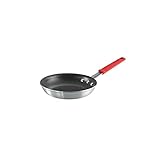
- PTFE (Teflon) Based: These are the traditional nonstick coatings. Modern PTFE coatings are safe when used as intended (avoiding overheating beyond 500°F / 260°C) and offer exceptional nonstick performance and durability. High-quality pans, such as the All-Clad D3 Pro Nonstick, often feature advanced PTFE coatings.
- Hybrid Coatings: Some brands are developing hybrid coatings that combine elements of different technologies to achieve enhanced durability and release.
Size and Shape Matters for Eggs
The dimensions and design of your nonstick pan can significantly impact your egg-cooking success:
- Individual Egg Molds: For perfect, uniform fried eggs, pans with individual cups are a game-changer. The HUPECHAM 4-Cup Egg Pan, HUPECHAM Egg Pan With Lid 4-Cup, MyLifeUNIT Egg Frying Pan, and CAROTE 4-Cup Nonstick Granite Egg Pan are excellent examples. These allow you to cook multiple eggs simultaneously without them merging into a single, amorphous blob. The cups typically measure around 3-4 inches in diameter, ideal for single eggs.
- Standard Skillet Size: If you prefer to cook eggs alongside other breakfast items or have more flexibility, a smaller standard skillet is a good choice. An 8-inch skillet, like the CAROTE Nonstick Frying Pan, is versatile for cooking one or two eggs, or for making omelets and scrambles. A 9-inch skillet, like the All-Clad D3 Pro Nonstick, offers a bit more space for larger portions or more dynamic cooking.
- Sloped Sides: Pans with gently sloped sides are preferable for eggs. This allows for easy maneuvering of spatulas and effortless flipping or sliding of cooked eggs onto your plate. Deeply sloped sides can make it harder to get under the egg cleanly.
Material and Construction: The Foundation of Performance
The base material of your nonstick pan contributes to its heat distribution and overall durability:
- Hard-Anodized Aluminum: This is a very common and effective material for nonstick pans. It provides excellent heat conductivity for even cooking and is more durable than standard aluminum. Many granite and ceramic-coated pans utilize this base.
- Stainless Steel with Nonstick Core: Pans like the All-Clad D3 Pro Nonstick feature a stainless steel exterior and interior with an aluminum core. This offers the durability and even heating of stainless steel with the convenience of a nonstick surface. These are generally more robust and can often go from stovetop to oven.
- Induction Compatibility: Ensure your chosen pan is compatible with your stovetop. Most modern nonstick pans, including those from HUPECHAM and CAROTE, are designed for both gas and induction cooktops.
Handle Comfort and Lid Inclusion
Don’t overlook the details that enhance your cooking experience:
- Ergonomic Handles: A comfortable, non-slip handle is essential for safe and easy maneuvering, especially when dealing with hot pans. Look for handles that feel secure in your grip.
- Lid Options: While not strictly necessary for frying eggs, a lid can be useful for steaming eggs open-faced, poaching, or keeping cooked eggs warm. Some multi-cup egg pans, like the HUPECHAM Egg Pan With Lid 4-Cup, come with a convenient lid.
Tips for Maximizing Your Nonstick Egg Pan
- Always preheat your pan gently over medium-low to medium heat before adding oil or butter.
- Use a small amount of cooking fat (butter or oil) to further enhance nonstick performance and add flavor.
- Avoid using metal utensils, as they can scratch and damage the nonstick coating. Opt for silicone, nylon, or wooden spatulas.
- Clean your pan promptly after use. A soft sponge and mild dish soap are usually sufficient. Avoid abrasive scrubbers.
- Never use cooking sprays on a nonstick pan. The propellants and emulsifiers can build up and create a sticky residue that is difficult to remove.
Frequently Asked Questions
What is the best nonstick coating for eggs?
For eggs, a high-quality PTFE-based coating or a well-constructed granite-infused nonstick often provides the best combination of release and durability. Ceramic is also a good option, especially if you prioritize PFOA/PTFE-free materials.
Can I use metal utensils on my nonstick egg pan?
No, it is strongly advised against using metal utensils on any nonstick surface. They can easily scratch and permanently damage the coating, compromising its nonstick properties.
How do I clean my nonstick egg pan?
Clean your nonstick egg pan with a soft sponge or cloth and mild dish soap. Avoid abrasive cleaners or steel wool. For stubborn residue, soak the pan in warm, soapy water before washing.
Are 4-cup egg pans worth it?
Yes, if you frequently cook multiple eggs for breakfast, 4-cup egg pans like the HUPECHAM and CAROTE models are incredibly convenient. They ensure uniform cooking and easy serving for individuals or small families.
Choosing the perfect nonstick pan for eggs in 2026 is about understanding the nuances of coatings, pan design, and material. Whether you opt for the precision of a multi-cup pan or the versatility of a standard skillet, investing in a quality nonstick pan will undoubtedly elevate your breakfast game, making those perfect, golden yolks a regular occurrence.



Write Your Review
No reviews yet. Be the first to share your experience!