
Key takeaways
- Standard Dough Formula (for 4 x 250g balls): 600g King Arthur 00 Pizza Flour, 390g water (65% hydration), 12g fine sea salt (2%), 2g instant dry yeast (0.33%) or 100g active sourdough starter if you prefer natural leavening.
- Mix and Knead: Combine flour and water, rest 20 minutes (autolyse), then add salt and yeast. Knead 6 to 8 minutes until smooth and slightly tacky. The dough should pass the windowpane test.
- Bulk Ferment: Cover and ferment at room temperature for 2 hours, then transfer to the refrigerator for 24 to 72 hours. This cold ferment develops flavor, improves browning, and makes the dough easier to stretch.
What's inside
- Watch: How to Make the Perfect Pizza Dough with a Pizza Stone — Video Review
- 1. Choose Your Foundation: From-Scratch Flour vs. Starter Kit
- 2. Prepare Your Baking Surface: Stone vs. Steel
- 3. Shape Without Tearing or Sticking
- 4. Top Lightly and Launch
- 5. Bake, Rotate, and Cool Correctly
- Tips
- Frequently Asked Questions
- Conclusion
- Related Articles
Making pizzeria-quality pizza at home comes down to two things: a properly fermented dough and intense, even heat. A pizza stone or steel solves the heat problem by storing thermal energy and transferring it rapidly to the crust, creating the puff, char, and crisp base that a standard sheet pan cannot replicate. In 2026, with more high-quality stones, steels, and flours available for home ovens, you can get results that rival a wood-fired oven without leaving your kitchen.
- Watch: How to Make the Perfect Pizza Dough with a Pizza Stone — Video Review
- 1. Choose Your Foundation: From-Scratch Flour vs. Starter Kit
- 2. Prepare Your Baking Surface: Stone vs. Steel
- 3. Shape Without Tearing or Sticking
- 4. Top Lightly and Launch
- 5. Bake, Rotate, and Cool Correctly
- Tips
- Frequently Asked Questions
- Conclusion
- Related Articles
This guide walks you through a reliable dough formula, how to prepare and bake on a pizza stone or steel, and which tools make the process easier and more consistent. Whether you are mixing dough from scratch or starting with a convenient kit, these steps will help you achieve a light, airy crumb with a crisp, leopard-spotted bottom every time.
As an Amazon Associate we earn from qualifying purchases at no extra cost to you. Product prices and availability are accurate as of the date shown and are subject to change.




⚡ Save on Your Next PC — Amazon Prime
Prime members get fast free shipping on the systems above, plus early access to Prime Day & Black Friday PC deals. New members get a 30-day free trial.
Watch: How to Make the Perfect Pizza Dough with a Pizza Stone — Video Review
1. Choose Your Foundation: From-Scratch Flour vs. Starter Kit
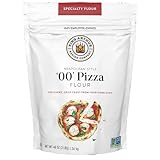
You have two excellent paths to great dough. For complete control, start with a flour designed specifically for pizza. King Arthur 00 Pizza Flour is milled from 100% American-grown wheat to a finely ground 00 specification, which creates a silky, extensible dough that stretches without tearing and bakes up tender yet crisp. For a faster start, especially if you are new to fermentation, the Gino Bambino Sourdough Pizza Starter Kit includes three pre-portioned sourdough crusts with sauce, giving you a consistent, tangy base to practice shaping and baking technique while you learn.
- Standard Dough Formula (for 4 x 250g balls): 600g King Arthur 00 Pizza Flour, 390g water (65% hydration), 12g fine sea salt (2%), 2g instant dry yeast (0.33%) or 100g active sourdough starter if you prefer natural leavening.
- Mix and Knead: Combine flour and water, rest 20 minutes (autolyse), then add salt and yeast. Knead 6 to 8 minutes until smooth and slightly tacky. The dough should pass the windowpane test.
- Bulk Ferment: Cover and ferment at room temperature for 2 hours, then transfer to the refrigerator for 24 to 72 hours. This cold ferment develops flavor, improves browning, and makes the dough easier to stretch.
2. Prepare Your Baking Surface: Stone vs. Steel
Both stones and steels work by acting as a thermal battery, but they behave differently. A traditional cordierite stone, like the Large Pizza Stone for Oven and Grill Set – 15″ x 12″, retains steady heat and releases it more gently, which is very forgiving for beginners and excellent for classic New York and Neapolitan-American styles. Steel conducts heat far faster.
Options like the ThermiChef 16″ x 16″ Pizza Steel at 1/4 inch thick and 17.6 lbs, or the Primica Pizza Steel XL at 16″ x 13.4″, deliver higher conductivity. This means faster bake times (often 5 to 7 minutes versus 7 to 10 on stone), more aggressive oven spring, and a darker, crisper underside. Steel is ideal if your oven runs cool or you want a deeply charred crust.
- Placement: Place your stone or steel on the middle rack for balanced heat, or on the top third rack if you want more char on the rim from the broiler.
- Preheat Thoroughly: Heat the oven to its highest setting, typically 500 to 550°F, for at least 45 minutes for a stone and 60 minutes for a steel. The surface should read 500°F+ with an infrared thermometer.
- Never Put a Cold Stone in a Hot Oven: Always place the stone in a cold oven and let it heat together to prevent thermal shock and cracking.
3. Shape Without Tearing or Sticking
Proper shaping preserves the gas bubbles you developed during fermentation. Work with one dough ball at a time, keeping the others covered.
- Bring to Temperature: Let cold-fermented dough sit covered at room temperature for 60 to 90 minutes before stretching. Cold dough is elastic and will snap back.
- Flour and Press: Lightly flour your work surface with 00 flour or semolina. Press from the center outward, leaving a 3/4-inch border for the cornicione (puffy edge). Never use a rolling pin, which compresses air.
- Stretch: Drape the dough over your knuckles and gently rotate, letting gravity stretch it to a 10 to 12-inch round. If it resists, rest for 5 minutes and try again.
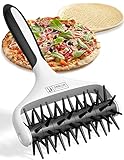
- Prevent Blistering: For thin or cracker-style crusts or if your dough is highly hydrated and prone to large bubbles, lightly roll an Orblue Pizza Dough Docker over the center before topping. This docking tool creates small vents that prevent giant air pockets and keep toppings from sliding.
4. Top Lightly and Launch
The biggest mistake at home is overloading the pizza. Too much sauce, cheese, and moisture will steam the crust and make launching difficult.
- The Right Amount: For a 12-inch pizza, use 70 to 85g sauce, 90 to 110g low-moisture mozzarella, and sparse toppings. Spread sauce thinly, leaving the rim clean.
- Prepare the Peel: Lightly dust a pizza peel or the back of a sheet pan with semolina or coarse cornmeal. Give it a quick shake to ensure the dough slides. Assemble the pizza quickly, under 2 minutes.
- Launch with Confidence: Open the oven, quickly shimmy the pizza onto the hot stone or steel in one forward motion. If using the Large Pizza Stone for Oven and Grill Set, you can use its included peel or wire rack for easier transfer.
5. Bake, Rotate, and Cool Correctly
On a properly preheated surface, pizza bakes fast. Stay close and watch for visual cues rather than relying strictly on a timer.
- Bake Time: Stone: 7 to 10 minutes. Steel (ThermiChef or Primica): 5 to 7 minutes at 550°F. The crust should be puffed, the cheese bubbling, and the bottom firm and browned.
- Finish Under the Broiler: For more color on the rim, switch to broil for the final 45 to 60 seconds, rotating the pizza 180 degrees halfway through.
- Check the Bottom: Lift an edge with a peel. You want an even, deep golden-brown with a few darker charred spots.
- Cool Briefly: Transfer to a wire cooling rack for 1 to 2 minutes before slicing. Cutting directly on a solid board traps steam and softens the crisp base you just created.
Tips
- Measure by weight, not volume. A digital scale accurate to 1g is the single best tool for consistent dough, especially when working with 65% hydration.
- Clean your stone or steel correctly. Let it cool completely, then scrape off residue with a bench scraper or brush. Never use soap or soak a stone; it is porous and will absorb flavors and crack. Steel can be wiped with a lightly oiled cloth to prevent rust.
- If dough keeps shrinking back, it is too cold or under-rested. Cover it and let it relax for 10 minutes instead of forcing it.
- For extra crispness on a steel, try a 2-minute par-bake of the undressed dough, then add toppings and finish. This is especially useful for heavily topped vegetable pizzas that release water.
Frequently Asked Questions
Do I need to preheat my pizza stone or steel?
Yes, always. Preheating for 45 to 60 minutes at your oven’s maximum temperature is essential. A stone or steel that is not fully saturated with heat will produce a pale, soft crust instead of a crisp, oven-spring-driven base. Use the full preheat time even after the oven says it is ready.
What is the difference between a pizza stone and a pizza steel?
A stone heats more gradually and releases heat moderately, which is forgiving and great for longer bakes. A steel, such as the ThermiChef or Primica Pizza Steel XL, conducts heat 8 to 10 times faster, so it browns and crisps the bottom more aggressively and can shave 2 to 3 minutes off bake time. Steel is heavier, virtually indestructible, and excellent for home ovens that max out at 500°F.
Why is 00 flour better for pizza dough?
00 refers to the grind fineness and ash content. 00 pizza flour like King Arthur 00 Pizza Flour is very finely milled, allowing it to hydrate easily and form strong gluten with less roughness. The result is a dough that stretches thin without tearing, blisters beautifully, and bakes with a tender, chewy interior and crisp exterior.
Should I use a dough docker on all pizzas?
No. For Neapolitan or New York-style pizza where you want a puffy, airy cornicione and an irregular crumb, skip docking. Use the Orblue Pizza Dough Docker only for thin-crust, flatbread, or cracker-style pizzas where you want to prevent large bubbles that lift toppings unevenly.
Conclusion
Perfect pizza dough is about simple ingredients, patience, and hot equipment. Give your dough a long, cold ferment for flavor, let your stone or steel heat fully, and keep your toppings light. Whether you build your dough from King Arthur 00 Pizza Flour or build confidence with the Gino Bambino Sourdough Pizza Starter Kit, mastering the preheat, stretch, and launch will give you a consistently crisp, airy crust. Preheat your Large Pizza Stone or steel now, and your next pizza will be your best yet.



Write Your Review
No reviews yet. Be the first to share your experience!