
Key takeaways
- Choosing between an electric pressure cooker and a stove top pressure cooker is less about which one cooks faster and more about how you cook every day. Both can turn dried beans, tough cuts of meat, grains, and stews into…
Choosing between an electric pressure cooker and a stove top pressure cooker is less about which one cooks faster and more about how you cook every day. Both can turn dried beans, tough cuts of meat, grains, and stews into dinner far more quickly than conventional simmering. The real decision is whether you want automated controls and countertop convenience or a simpler, hotter, longer-lasting pot that you operate on the range.
For 2026, electric models are the easier choice for busy households and first-time users, while stove top models remain compelling for cooks who value speed, durability, compact storage, and hands-on control. Your available counter space, cookware habits, kitchen ventilation, and tolerance for cleanup may matter more than the pressure technology itself.
Our top picks

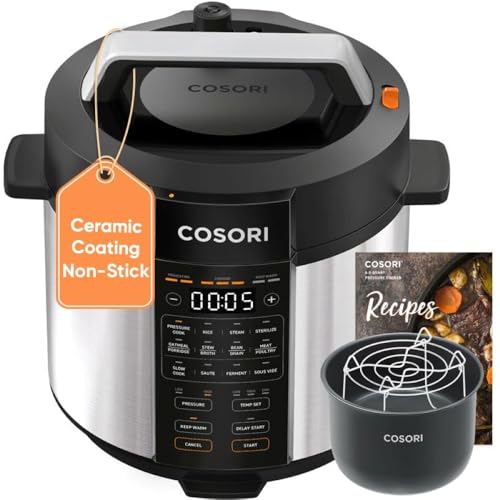


As an Amazon Associate we earn from qualifying purchases at no extra cost to you. Ratings are shown as listed on Amazon.
Quick Verdict
Choose an electric pressure cooker if you want push-button programs, automatic temperature management, delayed starts, and a pot that can cook while you handle other tasks. It is especially practical for families, beginners, and anyone who wants one appliance to replace several countertop tools.
Choose a stove top pressure cooker if you want the lowest purchase price, faster pressure recovery, a lightweight pot, and fewer electronic components to fail. It is a better fit for experienced cooks, compact kitchens with limited counter space, and people who already use a gas, induction, or electric range comfortably.
Side by Side
| Factor | Electric Pressure Cooker | Stove Top Pressure Cooker |
|---|---|---|
| Comfort | Set a program and let the cooker regulate heat; typical controls include preset buttons and a digital timer. | Requires adjusting burner heat and watching pressure indicators, though experienced users can do this quickly. |
| Cooking speed | Usually 700–1,200 watts; convenient, but preheating and pressure release can make the total time longer. | Often reaches pressure faster on a powerful burner and can recover pressure quickly between batches. |
| Durability | Inner pots are durable, but heating elements, sensors, displays, and control boards eventually can fail. | Fewer parts to break; a heavy aluminum or stainless pot can last for many years with replacement seals. |
| Price range | About $70–$250, with many 6-quart models between $80 and $150. | About $40–$150, with basic aluminum models commonly costing $45–$70. |
| Maintenance | Wash the inner pot, lid, sealing ring, steam components, and condensation collector; keep the electrical base dry. | Wash the pot, lid, valve, and gasket; there is no electrical base or control panel to protect. |
| Space needed | A 6-quart model is commonly about 13–14 inches wide and 12–14 inches tall, plus clearance for steam. | A 6- to 7-quart pot is often about 10–12 inches wide and 8–10 inches tall, and stores like ordinary cookware. |
| Look | Modern countertop appliance, usually with a stainless exterior, black lid, and illuminated control panel. | Traditional aluminum or stainless pot that blends with cookware and can be stored in a cabinet. |
| Resale | Popular branded electric units may retain some value, but older electronics and worn seals reduce appeal. | Simple, recognizable cookware often remains useful and easier to resell if the pot and safety parts are intact. |
| Best for | Beginners, busy families, meal prep, one-pot meals, and cooks who want repeatable settings. | Experienced range cooks, frequent large-batch cooking, small kitchens, and buyers focused on longevity. |
Where Electric Pressure Cooker Wins
The biggest advantage is automation. An electric pressure cooker controls heat as it builds pressure, then switches to cooking, warming, or a timed release according to the selected program. You still need to add liquid, load ingredients safely, and release pressure correctly, but you do not need to stand at the range adjusting a burner.
That convenience is useful for recipes with different cooking stages. Many models can sauté onions or brown meat in the removable inner pot, pressure-cook the meal, and keep it warm afterward. A 6-quart capacity is generally suitable for two to five servings, while an 8-quart model offers more room for batch cooking but takes more cabinet and counter space.
Electric models are also easier for new users because the controls provide familiar cooking times and clear pressure-release settings. Features vary, but programs may include rice, beans, soup, poultry, slow cooking, steaming, and yogurt. These labels are conveniences rather than guarantees; ingredients, altitude, quantity, and recipe design still affect the result.
For reference, the 6-quart Instant Pot Duo 7-in-1 is listed at $109.99, while the 6-quart Cosori 9-in-1 with a ceramic-coated pot is listed at $80.99. Those prices illustrate the common electric range without requiring a buyer to purchase a premium model. Consider whether you will actually use specialty programs before paying more for them.
The tradeoff is bulk and electronic complexity. A countertop cooker usually weighs roughly 10–15 pounds before food, and its lid, sealing ring, steam parts, and inner pot all need regular cleaning. The base cannot be submerged, and a damaged control board may make the appliance uneconomical to repair.
Where Stove Top Pressure Cooker Wins
A stove top pressure cooker is essentially a pressure-rated pot with a locking lid, gasket, pressure indicator, and safety-release system. It does not need a dedicated electrical outlet and usually has a smaller footprint than an electric appliance. When it is cool, many models can be stacked or stored with other pots.
Range cooking also gives you direct control. You can raise the heat to build pressure, lower it once pressure is reached, and increase it briefly when adding another batch. On a strong gas or induction burner, that responsiveness can make stove top cooking faster overall. The exact result depends on burner power, pot material, food quantity, and how much liquid the recipe requires.
Stove top models are often less expensive. The 7-quart IMUSA aluminum pressure cooker is listed at $47.99, and the 6-quart Presto 01264 aluminum pressure cooker is listed at $53.99. These examples sit near the lower end of the roughly $40–$150 stove top market. Aluminum heats quickly and keeps weight down; stainless steel costs more but is typically heavier and more resistant to staining.
The main disadvantage is supervision. You must learn the cooker’s pressure indicator, adjust the burner, and follow the manufacturer’s instructions for natural and quick release. It is not a pot to leave unattended while you leave the kitchen. Some people also find the hissing or pressure indicator more intimidating than the sealed, button-controlled operation of an electric unit.
Safety depends on correct use, not simply on the cooker type. Do not overfill the pot, keep the steam valve clear, use the specified amount of liquid, and never force the lid open. Replace a cracked, stretched, or hardened gasket with the correct part.
Cost Over 5 Years
Purchase price alone favors stove top models, but a five-year estimate should include accessories and replacement parts. A typical electric pressure cooker may cost $80–$150 initially. Add approximately $15–$30 for one or two replacement sealing rings and, depending on use, about $10–$25 for a replacement inner pot or steam component. A reasonable five-year ownership estimate is therefore about $105–$205, excluding electricity and repairs.
A basic stove top model may cost $45–$80. One or two replacement gaskets and small valve parts may add roughly $10–$30 over five years, producing an estimated total of $55–$110. Premium stainless models can raise that total to $150 or more. The Presto and IMUSA examples show why a stove top cooker often wins on upfront cost.
Energy differences are difficult to generalize. Electric cookers use electricity directly, while stove top cookers use the fuel or electricity that powers the range. Because cooking time, burner efficiency, local utility rates, and pressure-release habits vary, a lower energy bill should not be assumed for either type. The most meaningful savings usually come from cooking inexpensive beans, grains, and tougher cuts efficiently rather than from the appliance alone.
Which One for Your Home
Small apartment
An electric cooker can be worthwhile if you lack a full range or want one appliance for sautéing, steaming, slow cooking, and pressure cooking. However, measure first: a typical 6-quart unit needs roughly 13 inches of width and a safe area for steam. If cabinet space is tight and you already have a reliable range, a 6-quart stove top cooker stores more easily and leaves the counter clear.
Family with kids or pets
An electric model generally offers the easier routine because its programs reduce burner monitoring and it can switch to warming after cooking. Place it where steam will not reach cabinets, children, or pets, and keep the cord away from edges. A stove top model can work well for an attentive cook, but its hot handles, steam, and active burner demand more supervision.
Rental
Renters often benefit from an electric pressure cooker because it does not depend on the quality, size, or type of the apartment’s range. It can also be moved when you relocate. If your rental has a good stove and minimal counter space, choose a compact stove top model instead. Check available outlets and storage before buying either one.
Long-term home
Choose based on your established cooking habits. A frequent batch cook who wants predictable automation should choose electric. A cook who regularly prepares large pots, owns quality range cookware, and values repairable simplicity may prefer stove top. If your household cooks both ways, a stove top model can complement an electric cooker rather than duplicate it.
FAQ
Is an electric pressure cooker safer than a stove top model?
Both types include safety systems when properly designed and used according to their instructions. Electric models automate heat control, which can reduce user error, while stove top models require closer attention. Neither should be overfilled, opened under pressure, or operated with a blocked valve.
Which cooks faster: electric or stove top?
A stove top pressure cooker often reaches and recovers pressure faster, especially on a powerful burner. Electric models may be more convenient but can spend several minutes preheating and may use a slower automatic release. Total time depends on the recipe and pressure-release method.
Can an electric pressure cooker replace a stove top pressure cooker?
For most home recipes, yes. Both can pressure-cook foods using similar principles. An electric model may have a smaller usable capacity and less direct heat control, while a stove top model cannot automatically manage cooking stages or keep food warm.
What size pressure cooker should I buy?
A 6-quart cooker is the most versatile starting size for couples and families of up to about four people. Choose 7 or 8 quarts for batch cooking, large cuts, or leftovers. A smaller 3- to 4-quart model suits one or two people but offers less room for expansion and meal prep.




Write Your Review
No reviews yet. Be the first to share your experience!