
Our Top Picks
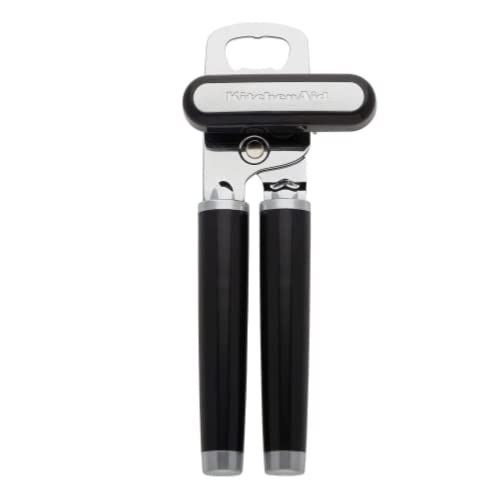 KitchenAid Classic Multifunction Can Opener and Bottle Opener8.34-Inch8.34 x 3.54 x 2.3 Inches0.28 poundsCheck on Amazon
 Hamilton Beach Smooth Touch Electric Can Opener WithExtra Tall5 x 4.67 x 10.2 inches3.1 PoundsCheck on Amazon
 KITCHENMUH One Touch Electric Can Opener Fits All6.43 × 2.93 × 2.34 inches2.34 x 2.34 x 6.43 Inches0.43 poundsCheck on Amazon
The best can opener for most kitchens is a simple manual model with a large turn knob and a comfortable handle, while the best choice for sore or weak hands is an electric opener that runs the cutting wheel for you. That is the short version of this roundup. It sorts ten listings into four hand-crank models and six powered ones, explains what each title actually promises, and lists the checks worth making before you add one to a cart. Prices are shown only as relative tiers, because they change often.
Top picks at a glance

GORILLA GRIP Manual Can Opener and Bottle Openers, Upgraded Model, Black | US Designed, Sharp Stainless Steel Blade, Oversized Turn Knob, Comfortable Handle for Easy Use, Multifunctional Kitchen Tool
One of the home product options compared in this guide.
Check Price on AmazonKitchenAid Classic Multifunction Can Opener and Bottle Opener Easy to Use, Razor Sharp Stainless Steel Cutting Wheel, Soft Ergonomic Handles, Black
One of the home product options compared in this guide.
Check Price on AmazonHamilton Beach Smooth Touch Electric Can Opener With Easy Push Down Lever | Opens All Standard, Extra-Tall & Pop-Top Cans | Black & Chrome | 76606AG
One of the home product options compared in this guide.
Check Price on AmazonKITCHENMUH One Touch Electric Can Opener Fits All Can Sizes for Seniors with Arthritis, Battery Operated Can Opener with Smooth Edge, Food Safe Automatic Can Opener for Kitchen (Black+Grey)
One of the home product options compared in this guide.
Check Price on Amazon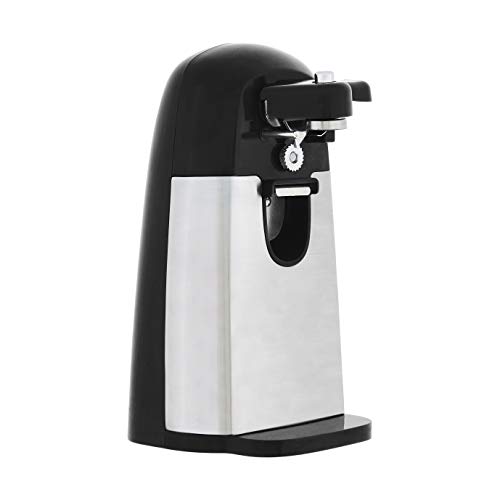
Amazon Basics 3-In-1 Electric Can Opener, Bottle Opener and Knife Sharpener with Stainless Steel Blade, Magnetic Lid Holder, Safe, Easy to Use, Powerful, Sleek Design, 50W, Black
One of the home product options compared in this guide.
Check Price on Amazon
Safring Can Opener Manual, Handheld Strong Heavy Duty Stainless Steel Can Opener, Comfortable Handle, Sharp Blade Smooth Edge, Can Openers with Multifunctional Bottle Opener
One of the home product options compared in this guide.
Check Price on Amazon
Zulay Kitchen Manual Can Opener Heavy Duty Patented Stainless Steel, Black | Premium Razor Sharp Cutting Blade, Rust Proof Oversized Easy-to-Turn Knob Soft-Touch Comfy Grip Handles and Bottle Opener
One of the home product options compared in this guide.
Check Price on Amazon
Kitchen Mama Auto Electric Can Opener, Battery Operated, Red | Automatic, Hands Free, Smooth Edge, Food-Safe, Effortless Everyday Use
One of the home product options compared in this guide.
Check Price on Amazon| Model | Key point from title | Price tier | Best for |
|---|---|---|---|
| GORILLA GRIP Manual Can Opener and Bottle Opener | Oversized turn knob, sharp stainless steel blade | Budget | Simple everyday opening |
| KitchenAid Classic Multifunction Can Opener | Stainless steel cutting wheel, soft ergonomic handles | Budget | A familiar brand in a drawer tool |
| Hamilton Beach Smooth Touch Electric | Push-down lever, standard, extra-tall and pop-top cans | Premium | A counter electric with a lever |
| KITCHENMUH One Touch Electric | Battery operated, aimed at seniors with arthritis | Mid-range | Low-effort opening without a cord |
| Amazon Basics 3-In-1 Electric | Bottle opener, knife sharpener, magnetic lid holder, 50W | Mid-range | One corded gadget with extras |
| Safring Manual Can Opener | Heavy duty stainless steel, bottle opener | Budget | The cheapest tool to keep as a spare |
| Zulay Kitchen Manual Can Opener | Rust proof knob, soft-touch grip handles | Budget | Manual users who want a cushioned grip |
| Cuisinart CCO-55 Deluxe Electric | Chrome finish, silver (title is brief) | Premium | A traditional counter electric |
| Canslab Ultrablade PRO Electric | USB rechargeable, auto stop, cordless, wall mountable | Premium | Cordless hands-free opening |
| Kitchen Mama Auto Electric | Battery operated, hands free, food-safe | Mid-range | A budget-friendly automatic option |
What is changing in the can opener category
Can openers look like a finished product, yet the listings in this set show a few shifts worth knowing about. The first is the rise of the cordless electric. Three of the six powered models here run on batteries or a USB-rechargeable pack, which removes the outlet and the cord from the counter. That suits renters, small kitchens and anyone who wants to store the tool in a drawer or hang it on a wall.
The second shift is language aimed at specific users. Several titles speak directly to seniors or people with arthritis, which tells you who sellers believe is buying. Those claims are marketing, not medical statements, but they do point at a real need: turning a small knob against resistance can be hard on some hands.
A third pattern is the multi-tool. Many manual openers add a bottle opener, and one electric listing adds a knife sharpener and a magnetic lid holder. In general, extra functions are useful only if you would otherwise own a separate tool for them.
Finally, the phrase smooth edge appears often. As a general rule it signals a cut that leaves the lid without a raised sharp rim, but each seller defines it differently. Treat it as a feature to confirm in the listing, not a guarantee.
One more shift is worth a mention: shoppers increasingly ask for tools that suit shared households, where a teenager, a grandparent and a busy parent all open cans. A tool that works for the weakest hand in the house is usually fine for everyone, and that is why large knobs, lever starts and hands-free designs get so much space in modern titles.
How we picked these
This list is built by an editorial team reading product titles, published specifications, manufacturer documentation and buyer reviews, then sorting the results by type. We looked for a spread of manual and electric styles, a range of price tiers and a clear description of how each unit works. Nobody on the team used or measured these units. Every claim below comes from the title as written, and anything the title does not say is marked as something to check on the listing page. Titles are written by sellers, so words like heavy duty, razor sharp and fits all can sizes are claims, not results. Where two listings looked alike, we kept the one with the clearer description. We also weighed how much each title tells you, because a long list of stated features makes a purchase easier to judge than a short one.
Ten can openers, one at a time
GORILLA GRIP Manual Can Opener and Bottle Opener
The title describes an upgraded model in black with a sharp stainless steel blade, an oversized turn knob and a comfortable handle, plus a bottle opener. It also says it was designed in the US, which describes where the design happened, not where the unit is made. The word upgraded is vague, since the title never says what changed from a previous version.
This tool suits a household that opens a few cans a week and wants the least complicated option. Picture a cook working through a weekend of chili and soup: a manual opener sits next to the stove, needs no charging and gets rinsed with the rest of the dishes, subject to the care instructions on the listing.
Pros
- A large knob is listed, which generally helps leverage.
- No power source to manage.
- Bottle opener included.
Cons
- Manual turning still needs some grip strength.
- The title does not say whether the cut is top or side.
Check the listing for the cutting style, care instructions and whether the knob is metal or plastic. One question to ask before buying: can the person who opens most of your cans turn this knob comfortably for a full circuit?
KitchenAid Classic Multifunction Can Opener and Bottle Opener
This listing names a stainless steel cutting wheel, soft ergonomic handles and a black finish, and it combines can and bottle opening. The title does not mention a smooth edge, a magnet or a turn-knob size, so those are open questions.
It fits the buyer who prefers a known kitchen name for a drawer tool and wants soft handles to reduce squeezing discomfort. A good scenario is an everyday family kitchen where several people open cans and the tool lives with the other utensils.
Pros
- Soft handles are named in the title.
- Sits in a budget tier relative to the set.
- Bottle opening is built in.
Cons
- No knob size or edge style is stated.
- Soft grips can wear or collect grime over time, which is a general concern for coated handles.
Check the listing for the care instructions and any dishwasher guidance. Before buying, ask yourself whether you would rather have the softer handle or the larger turn knob that other manual listings advertise.
Hamilton Beach Smooth Touch Electric Can Opener
The title lists an easy push-down lever, the ability to open standard, extra-tall and pop-top cans, a black and chrome finish and a model number, 76606AG. The name Smooth Touch hints at a smooth cut, but the title does not define it. It sits in the premium tier of this set.
This is a counter-style electric for a kitchen with a free outlet and regular can use, such as a family that stocks beans, tomatoes and broth. The lever means you press down, let the machine run and lift the lever when finished, which is simpler than turning a handle.
Pros
- Explicit mention of extra-tall cans.
- Lever operation instead of a turn knob.
- A model number makes manuals and parts easier to find.
Cons
- Needs counter or shelf space and an outlet.
- Cleaning a cutter assembly is a task manual openers avoid.
Check the listing for cord length, whether the cutter lever detaches for cleaning and the can-size limits. One question to ask: do you have a spot where this can stay plugged in without crowding the counter?
KITCHENMUH One Touch Electric Can Opener
The title says it is battery operated, designed for seniors with arthritis, one-touch, fits all can sizes and has a smooth edge and food-safe construction, in black and grey. The phrase fits all can sizes is a seller claim and is worth challenging with a look at the product images and size notes.
It suits a person who wants the machine to do the cutting with a single button press and who does not want a cord. Think of a small apartment kitchen without much counter space, where the opener lives in a drawer between uses.
Pros
- Battery power removes the cord.
- One-touch operation is described.
- Mid-range tier, below the corded counter models.
Cons
- Battery-powered motors may struggle with larger cans, so confirm limits.
- The title does not give the battery type or count.
Check the listing for batteries, whether they are included and what the maker says about can size. Ask before buying: how often will you replace batteries, and do you have a manual opener as a fallback?
Amazon Basics 3-In-1 Electric Can Opener
This is the multi-tool of the set. The title lists a bottle opener, a knife sharpener, a stainless steel blade, a magnetic lid holder and a 50W rating, in black. Calling it safe and easy to use is marketing language, and the title offers no measured evidence.
It suits a buyer who would like three jobs handled by one corded unit and who has outlet space. A realistic scenario is a shared household kitchen where one appliance replaces a small bottle opener and a handheld sharpener.
Pros
- Magnetic lid holder is a named feature.
- Combines three tasks.
- Mid-range tier.
Cons
- Knife sharpeners built into appliances are a convenience tool, not a substitute for proper sharpening, in general terms.
- More functions mean more parts to clean.
Check the listing for the sharpening method, cord length and cleaning guidance for the cutter. One question to ask: will you really use the sharpener, or are you paying counter space for a feature you would skip?
Safring Can Opener Manual
The title calls it handheld, strong, heavy duty and stainless steel, with a comfortable handle, a sharp blade, a smooth edge and a multifunctional bottle opener. It is the lowest-cost tool in the set, which makes it a sensible spare.
This opener suits a second drawer, a camping box, a vacation rental or a student kitchen where function matters more than finish. If your main opener ever jams, a second tool that costs very little is hard to argue with.
Pros
- Lowest price tier in the set.
- No batteries or cords.
- Bottle opener included.
Cons
- Heavy duty is a seller claim.
- The brand is less established, so buyer reviews carry more weight in your decision.
Check the listing for knob size and handle material. Before buying, ask whether you want this as a main tool or as a backup, because the answer changes how much durability matters.
Zulay Kitchen Manual Can Opener
Zulay’s listing is dense: heavy duty, patented, stainless steel, black, razor sharp cutting blade, rust proof oversized easy-to-turn knob, soft-touch comfortable grip handles and a bottle opener. Patented tells you something about the design is protected, not that it works better. Rust proof is a claim to compare against care instructions.
It fits someone who wants a manual opener with both a big knob and cushioned handles, for example a home cook who opens cans daily and finds thin metal handles uncomfortable.
Pros
- Large knob and soft grips are both named.
- Budget-friendly relative to electric units.
- Rust resistance is mentioned.
Cons
- Manual effort remains, even if the knob is easy to turn.
- Soft-touch coatings can feel sticky after long wear, a general concern.
Check the listing for hand-wash guidance and whether the cut is top or side. One question to ask: will a bigger knob be enough for the hand strength you have, or do you need a motor?
Cuisinart CCO-55 Deluxe Electric Can Opener
The title is short: a Cuisinart CCO-55 Deluxe, a chrome electric can opener in silver. It does not list can-size limits, a lever style, a cord length or a cutting method, so every functional detail is something to check on the listing. It sits in the premium tier of this set, which makes the lack of detail worth noting.
It is for a buyer who wants a traditional corded counter opener with a chrome look and who is willing to confirm details on the product page. A matching-appliances kitchen is the typical scenario.
Pros
- A recognizable model name and number for finding manuals.
- Electric operation reduces hand strain.
Cons
- The title says very little about features.
- Counter footprint and cord are trade-offs shared with other corded units.
Check the listing for dimensions, magnet, knife-sharpener presence and cord length. Ask before buying: does anything on the page justify the premium tier over cheaper electric options?
Canslab Ultrablade PRO Electric Can Opener
The title promises USB rechargeable, smart auto stop, an automatic hands-free side cut with a smooth edge, cordless use and wall mounting, in black, and speaks to seniors with arthritis. Smart is a marketing word. Auto stop and side cut are the practical ones, as they are what you would want from a hands-free design.
It suits someone who wants a cordless unit that can sit on a wall bracket and be charged with a USB cable. Imagine a household where counters are crowded: a wall-mounted opener frees that space. It is the highest-priced listing in the set.
Pros
- Rechargeable, so no disposable batteries.
- Side cut with smooth edge is described.
- Wall mountable.
Cons
- Needs charging, and battery wear over time is a general concern.
- Premium tier for a task a manual tool also handles.
Check the listing for charge time, uses per charge, mounting hardware and whether it works on pop-top cans. One question to ask: where would you charge and store it so it is ready when you need it?
Kitchen Mama Auto Electric Can Opener
The title says battery operated, red, automatic, hands free, smooth edge and food-safe, for effortless everyday use. Effortless is a seller word, and the title does not state any can-size limit or battery details.
It suits a shopper who wants the hands-free idea at a lower cost than the rechargeable model, perhaps for a kitchen where color matters. A realistic scenario is a person who opens a can once or twice a day and wants to set the tool on the can and step away.
Pros
- Hands-free operation is described.
- No outlet required.
- Mid-range tier.
Cons
- Battery cost and replacement are ongoing considerations.
- Only one color is shown in this listing, so check availability.
Check the listing for batteries included, safe cleaning steps for the cutter and the stated can-size range. Ask before buying: do you want the lowest-hassle automatic, or would the rechargeable option avoid the battery trips?
Buying guide for can openers
Manual versus electric
Manual openers cost less, store anywhere and never run out of power. Electric openers move the effort from your wrist to a motor. Generally, the choice comes down to hand comfort, not speed, as the worked example below shows.
Cutting method
Traditional openers cut through the top of the can, while side-cut designs trim the lid at the seam. Titles that mention a smooth edge are pointing at the second idea, though the definition is the seller’s. Either way, lids and can rims can be sharp, so handle them carefully and discard them safely.
Grip, knob and lever
For manual tools, look at knob diameter and handle padding. For electric ones, look at the activation: a lever, a single button or an automatic start. The best control is the one that the main user can operate without pain.
Power source
Corded units give steady power but need an outlet. Battery units remove the cord but add a recurring cost. USB rechargeable units add a charging step. Follow the manufacturer’s instructions on batteries, and keep chargers and electrical parts away from water.
Cleaning and hygiene
Food collects on the cutting wheel and gear. Wash manual tools promptly, and for electric ones unplug or remove the batteries before cleaning. Check whether the cutter detaches, because a fixed cutter is harder to clean.
Care, storage and lifespan
A can opener lasts as long as its cutting wheel stays clean and its gears stay free. Rinse and dry manual tools after each use, and wipe electric cutters on the schedule the manufacturer suggests. Hanging a manual tool on a hook lets it air-dry, while a wall-mount electric keeps the cutter off a damp counter. Rust on a cutting wheel is a sign to replace the tool, not to keep forcing it, because a dull or corroded wheel slips and leaves rough edges.
Can size and weight limits
Standard cans are easy; the awkward ones are extra-tall cans, very small cans and heavy catering-size tins. Only one title in this set names extra-tall cans, and none gives a weight limit. If you buy large cans in bulk, check the listing for a stated range or choose a design with a lever or a strong gear drive. A tool that wobbles on the rim is a common frustration in general terms, so a firm clamp matters.
Safety and handling
Cut lids and open can rims can be sharp. Keep fingers away from the cutting wheel, lift lids with a fork or the magnet if your tool has one, and discard them in a way that will not injure someone handling the trash. For electric models, follow the manufacturer’s instructions on cords, batteries and charging, and keep them away from sinks and wet hands. Do not use a damaged cord or a swollen battery.
Worked example
Assume a household opens eight cans a week, and that a manual opener takes about 30 seconds a can while an electric takes about 15 (both are rough assumptions, not measurements). The weekly difference is roughly two minutes. That means speed hardly matters, so the decision should rest on whether turning a knob is comfortable for the person doing it. If it is, a budget manual tool wins on cost and storage. If it is not, the electric premium buys comfort and independence.
| Spec concept | What to look for | Why it matters |
|---|---|---|
| Knob or lever | Large knob, soft handle or push-down lever | Reduces the grip force needed |
| Cutting style | Side cut or smooth edge, confirmed on the listing | Affects how sharp the lid edge is |
| Power | Cord, batteries or USB charging | Sets storage place and running cost |
| Can size limits | Stated range for tall and small cans | Prevents a poor fit on your usual cans |
| Cleaning | Detachable cutter or wipeable surface | Limits residue and rust |
| Extras | Bottle opener, magnet, sharpener | Useful only if you would use them |
Mistakes buyers make
- Buying electric for speed. The time saved is small; the real gain is comfort.
- Trusting fits all can sizes. It is a claim; confirm a stated range.
- Ignoring storage. A counter unit that crowds the workspace tends to end up in a cupboard.
- Skipping a backup. Batteries run down and motors fail; a cheap manual tool is a sensible spare.
- Paying for extras. A knife sharpener you never use is wasted space.
- Ignoring the second user. A tool that suits you but defeats a family member will end up unused.
- Forgetting the user. Match the tool to the hand that will use it daily.
If hand pain is a concern, electric can openers for arthritis and electric openers for seniors are covered in separate guides on this site.
Verdict by use case
Everyday kitchen drawer: a manual listing with a large knob, such as the GORILLA GRIP or Zulay, covers most needs at the lowest cost. Cheapest spare: the Safring. Soft handles from a known brand: the KitchenAid Classic. Counter electric with a lever: the Hamilton Beach. Cordless and hands-free: the Canslab if you accept the premium tier, the Kitchen Mama or KITCHENMUH if you prefer batteries. One gadget for several jobs: the Amazon Basics 3-In-1. For more automatic options, see automatic can openers, and for busy kitchens, commercial can openers.
Frequently asked questions
Is a manual or an electric can opener better for most kitchens?
For most households a manual opener is enough: it needs no outlet or batteries, it stores in a drawer and it costs less. An electric model earns its counter or wall space when hand strength, wrist pain or frequent opening makes turning a knob a chore. Think about who will use it most, and pick the style that person finds easiest.
What does a smooth-edge or side-cut can opener actually do?
Several listings here use the phrase smooth edge. In general, that describes designs that cut the lid away at the side seam instead of slicing through the top of the can, which leaves a lid with no raised sharp rim. Whether a particular unit delivers that is a seller claim, so check the listing and buyer reviews, and still handle lids and can rims carefully.
Are battery-operated can openers strong enough for large cans?
Battery models cut with a small motor, so torque is limited compared with a corded unit. Titles for the battery models here promise they fit standard cans, but none of the titles states a maximum can size or weight. Check the listing for can-size limits, expect fresh batteries to matter, and keep a manual opener as a backup for dented or oversized cans.
How should I clean a can opener?
Wash manual openers by hand soon after use, because food dries on the cutting wheel and gear. For electric units, unplug or remove batteries first, then follow the manufacturer’s instructions on whether the cutter assembly detaches. Never submerge the motor body unless the listing says it is designed for that, and dry metal parts to limit rust.
Can a can opener also open bottles and sharpen knives?
Some can, according to their titles. Four listings in this roundup mention a built-in bottle opener, and one electric model adds a knife sharpener and a magnetic lid holder. Extra functions are convenient, but they also add parts to clean. If you only need the can function, a simpler tool may be easier to live with.
Should I keep a manual opener even if I buy an electric one?
Yes, in most kitchens a backup is sensible. Batteries run flat, rechargeable packs need charging and any motor can fail. A low-cost manual tool in a drawer means a power cut or a dead battery never stops you from opening a can. It also helps with unusual cans that an electric cutter may not grip well.







Write Your Review
No reviews yet. Be the first to share your experience!