
Our Top Picks
 Best Concentrate MakerBodum 51oz Cold Brew Coffee Maker1.5 L/51 oz4.53 x 8.66 x 6.69 inches0 poundsCheck on Amazon
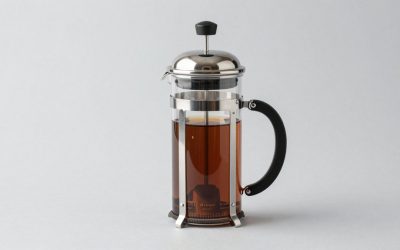
The best cold press coffee maker for most kitchens is the Takeya Deluxe Cold Brew Coffee Maker, a 2-quart Tritan pitcher with an airtight lid that is light, hard to break and easy to rinse. The runner-up is the JunVpic 64 oz glass mason pitcher, which gives you a much bigger batch for less money if you are comfortable handling glass. “Cold press” is the name many shoppers use for cold brew: coarse coffee steeped in cold water for 12 to 24 hours, then strained. This guide covers seven cold press coffee makers that are mostly pitchers, plus one drain-through tower, and explains how to choose by batch size, filter, material and fridge space. It is research-based, drawing on manufacturer specifications, retailer listings and independent reviews. We did not personally use these products. If you want a French-press approach to the same drink, that is a different tool and a different decision.
Top Picks at a Glance
- Best Overall: Takeya Deluxe Cold Brew Coffee Maker (2 quart), a shatter-resistant pitcher with a fine-mesh filter.
- Best Value: JunVpic 64 oz Cold Brew Coffee Maker, a glass mason jar pitcher with a 100 micron stainless filter.
- Best Pour Spout: QHH 64 oz Cold Brew Coffee Maker, a mason pitcher with a pour-spout lid and handle.
- Best Glass Carafe: Primula Burke Deluxe Cold Brew Iced Coffee Maker, with a comfort-grip handle.
- Best Wide-Mouth Option: County Line Kitchen 64 oz Cold Brew Coffee Maker with a leak-proof lid.
- Best Concentrate Maker: OXO Brew Cold Brew Coffee Maker (32 oz), a drain-through tower.
- Best Small Batch: Hario Mizudashi Cold Brew Coffee Pot (600 ml), a slim glass bottle for the fridge door.
Comparison Table
| Product | Best for | Key specs | Watch for | Price tier |
|---|---|---|---|---|
| Takeya Deluxe (2 qt) | Everyday family use | Tritan; fine-mesh filter; airtight lid; 12-24 hour steep | Plastic may hold odors | Mid-range |
| JunVpic 64 oz | Large batches on a budget | Glass mason pitcher; 100 micron stainless filter; wide mouth | Glass is fragile; bulky in the fridge | Budget |
| QHH 64 oz | Easy pouring | Mason jar pitcher; stainless filter; pour-spout handle lid | Lid has more parts to clean | Budget |
| Primula Burke Deluxe | Simple glass carafe | Glass carafe; removable mesh filter; comfort-grip handle | Capacity not listed in the title | Budget |
| County Line Kitchen 64 oz | Wide-mouth cleaning | 64 oz glass; wide mouth; leak-proof lid | Filter details not listed in the title | Budget |
| OXO Brew Cold Brew (32 oz) | Concentrate for lattes | 32 oz carafe; 24-28 oz concentrate; 12-24 hour steep | Bulkier; some parts hand wash | Mid-range |
| Hario Mizudashi (600 ml) | One or two people | 600 ml heatproof glass; mesh filter; 8-12 hour steep | Not for concentrate | Budget |
What “Cold Press” Actually Means
Search results for “cold press coffee maker” are mixed because the term is used loosely. Strictly speaking, a cold press is not a press at all in most kitchens: the common home product is an immersion cold brew pitcher. Coarse grounds sit in cold or room-temperature water, usually in the refrigerator, for 12 to 24 hours. A filter keeps the grounds contained, and you either lift the filter out or pour through it. Some people also use a French press for the same job, and a smaller group uses a slow-drip tower. All of these produce cold brew. The pitchers in this guide are the simplest and most common version, and the OXO tower is the main alternative that makes a concentrate.

JunVpic Cold Brew Coffee Maker, 64 oz Glass Mason Pitcher | 100μm stainless steel filter, wide mouth design, leak-proof lid with handle, pour spout for iced coffee, tea and cold drinks
Chosen because it specifies 64 oz Glass Mason Pitcher and 100μm stainless steel filter.
Check Price on Amazon
QHH Cold Brew Coffee Maker, 64 oz Mason Jar Pitcher with Stainless Steel Filter, Pour Spout Handle Lid, Airtight & Leak-Proof for Iced Coffee,Tea & Lemonade
Chosen because it specifies 64 oz Mason Jar Pitcher with Stainless Steel Filter and Pour Spout Handle Lid.
Check Price on AmazonBodum 51oz Cold Brew Coffee Maker, Black - Made in Portugal
Chosen because it specifies Black and Made in Portugal.
Check Price on Amazon
VA1KENE 64 oz Cold Brew Coffee Maker, Mason Jar Pitcher with 304 SS Filter | 100μm Fine Mesh, Stainless Steel Filter, Airtight, Leakproof, Pour Flip Spout, Ergonomic Handle, Wide Mouth, Heavy-Duty Glass
Chosen because it specifies Mason Jar Pitcher with 304 SS Filter and 100μm Fine Mesh.
Check Price on Amazon1. Takeya Deluxe Cold Brew Coffee Maker (2 qt): Best Overall
- 2-quart BPA-free Tritan pitcher with an airtight, leakproof lid and a silicone grip handle.
- Fine-mesh filter: add about 7 cups of cold filtered water, lower the filter, seal and shake for 30 seconds.
- Refrigerate for 12-24 hours; the concentrate keeps up to two weeks in the sealed pitcher.
- Made in the USA; Tritan tolerates heat, so it can also brew hot coffee or tea.
Best for: busy kitchens, families with kids, anyone who has broken a glass pitcher. Skip if: you avoid plastic.
The Takeya’s strength is that it asks very little of you. The filter is part of the pitcher, the lid seals, and the whole thing lies on its side in a refrigerator shelf without leaking. Tritan is a clear, tough plastic that resists dropping and does not break the way glass does, which is why it is favored in homes with young children. The pitcher can also be used for iced tea or infused water, which adds value if you have limited cabinet space.
Listings disagree on dimensions and weight, so measure your shelf instead of trusting the number. Clean it promptly: coffee oils can cling to plastic and build up a stale taste if the lid and filter are not rinsed well.
Pros:
- Shatter-resistant
- Airtight lid
- Dishwasher-safe pitcher
- Heat tolerant
Cons:
- Plastic can hold odors
- Fine mesh needs thorough rinsing
- Smaller than the 64 oz jars
2. JunVpic 64 oz Cold Brew Coffee Maker: Best Value
- 64 oz glass mason jar pitcher.
- 100 micron stainless steel filter.
- Wide mouth for filling, stirring and cleaning; leak-proof lid.
Best for: households that go through a lot of cold brew. Skip if: your fridge shelves are short or you drop things.
At 64 oz, this is twice the volume of the Takeya for a lower cost. Mason jar construction means thick glass, a wide opening and a familiar shape. The wide mouth is the most useful feature in practice: wet grounds are heavy, and a narrow neck makes filter removal messy. The 100 micron mesh is described as fine, but any mesh filter lets a little sediment through, so many people pour the finished coffee through a paper filter or a second sieve to clean it up.
Because it is glass, avoid sudden temperature changes. Do not pour hot water into a cold jar, and let the jar come to room temperature after storing it in the fridge before washing in hot water.
Pros:
- Large batch
- Glass resists odors
- Wide mouth
Cons:
- Breakable
- Heavy when full
- Needs fridge space
3. QHH 64 oz Cold Brew Coffee Maker: Best Pour Spout
- 64 oz mason jar pitcher with a stainless steel filter.
- Lid with a pour spout and handle; listed as airtight and leak-proof.
Best for: pouring directly into a glass without splashing. Skip if: you prefer a simple screw lid with fewer parts.
The QHH is a close cousin of the JunVpic with a different lid. The pour spout and handle make it easier to tilt a full pitcher, which matters when it holds 64 oz of liquid. Spout lids have more crevices, so they need an occasional soak and a bottle brush to avoid stale coffee residue. Other specifications, such as filter micron size, are not listed in the title.
Pros:
- Easy pouring
- Large capacity
- Low cost
Cons:
- More lid parts
- Glass can break
- Filter details not listed
4. Primula Burke Deluxe Cold Brew Iced Coffee Maker: Best Glass Carafe
- Durable glass carafe with a comfort-grip handle.
- Removable mesh filter.
- Capacity and weight are not listed in the product title.
Best for: a simple, familiar carafe shape. Skip if: you need to confirm exact capacity before buying.
The Burke looks like a standard carafe, which means it fits easily in a fridge door and pours cleanly. The removable mesh filter lets you lift grounds out at the end of the steep. Several size variants of this product exist, so confirm the listing you are looking at states the volume you want.
Pros:
- Traditional shape
- Comfortable grip
- Removable filter
Cons:
- Specs limited in the title
- Glass breaks
5. County Line Kitchen 64 oz Cold Brew Coffee Maker: Best Wide-Mouth Option
- 64 oz glass cold brew maker with a leak-proof lid.
- Wide-mouth mason style, listed in gray.
- Filter micron rating and weight are not listed in the title.
Best for: people who value easy cleaning. Skip if: you need a documented filter specification.
Wide-mouth jars make everything easier: scooping grounds in, stirring, removing the filter and scrubbing the walls. This model sits in the same class as the JunVpic and QHH, so the decision often comes down to lid design and color. Read the full listing for filter details.
Pros:
- Wide opening
- 64 oz capacity
- Leak-proof lid
Cons:
- Few published specs
- Glass is fragile
6. OXO Brew Cold Brew Coffee Maker (32 oz): Best Concentrate Maker
- 32 oz glass carafe with a stopper; rainmaker lid spreads water evenly over the grounds.
- Maker’s recipe: about 10 oz (284 g) of coffee to 40 oz of water, yielding 24-28 oz of concentrate.
- Steep 12-24 hours, then drain with the Brew-Release Switch (about 20 minutes).
- Reusable stainless steel filter plus optional paper filters; about 9.5 by 9.5 by 14.75 inches and 4 lb.
Best for: lattes, milk drinks and anyone who wants concentrate. Skip if: you want to keep it simple.
Unlike the pitchers, the OXO tower produces concentrate that you dilute 1:1 with water or milk. That makes the fridge footprint smaller for the number of drinks you get: a 24-28 oz batch makes roughly 12-14 drinks, according to the maker. The drain-through design also keeps wet grounds out of your hands. The compromise is that it takes counter space while it steeps and adds a few parts to clean. The carafe and filter are dishwasher safe; the other parts need hand washing.
Pros:
- Concentrate stretches further
- Clean drain
- Two filtration levels
Cons:
- More parts
- Needs coarse grounds
- Counter space while steeping
7. Hario Mizudashi Cold Brew Coffee Pot (600 ml): Best Small Batch
- 600 ml heatproof glass with a permanent fine polyester mesh filter.
- Typically steeped 8-12 hours in the refrigerator.
- Slim profile that fits most fridge doors; parts are dishwasher safe; made in Japan.
Best for: one or two people. Skip if: you want a strong concentrate.
The Mizudashi is the minimalist choice. It is easy to clean and fits in a fridge door. Retailers disagree about yield, quoting two to four cups. A reviewer at HomeGrounds points out that the filter basket only goes about halfway down the bottle, so it is better for ready-to-drink coffee than for concentrate.
Pros:
- Slim
- Inexpensive
- Easy to clean
Cons:
- Small
- Not for concentrate
Also Consider
- VA1KENE 64 oz Cold Brew Coffee Maker: a mason jar pitcher with a 304 stainless steel filter and 100 micron mesh; a 2-pack is also sold if you want to brew two flavors.
- Jrssae Cold Brew Mason Coffee Maker (64 oz): includes a stainless steel mixing spoon and a dense filter, so it works for people who want to stir after adding water.
- OXO Brew Compact Cold Brew Coffee Maker (24 oz): a smaller tower that yields about 24 oz from roughly 5 oz of coffee, per a retailer guide.
How Much Cold Brew Do You Actually Need?
A quick calculation makes it easier to choose a size. A typical iced coffee uses around 6 oz of concentrate diluted 1:1 into a 12 oz glass. One person drinking one glass a day uses about 42 oz of concentrate a week, while two people use about 84 oz. If you make a ready-to-drink batch at 1:8, a 64 oz pitcher yields roughly 64 oz of drinkable coffee, which is about 5 glasses of 12 oz, so a single drinker needs a full pitcher every five days or so.
| Household | Likely use per week | Good fit |
|---|---|---|
| One person, one glass a day | About 60-84 oz of drinkable coffee | Hario Mizudashi twice a week or one 64 oz pitcher |
| Two people, daily glasses | About 170 oz of drinkable coffee | Two 64 oz pitchers or a tower making concentrate |
| Lattes and milk drinks | About 40-60 oz of concentrate | OXO Brew 32 oz tower |
| Kids and travel | Variable | Takeya Deluxe, which is shatter-resistant |
How We Chose
This guide is research-based. We did not personally use these products. We started with cold brew makers that are sold now and compared manufacturer specification sheets with retailer listings and independent review sites such as HomeGrounds. We prioritized immersion pitchers with built-in filters, clear information about capacity and materials, and designs that can be cleaned thoroughly. We limited the list to two products per brand where possible and marked any detail that the listing does not state as not listed. Prices are shown only as tiers, as street prices change frequently.
Buying Guide
Capacity and fridge fit
Choose a size you will actually finish in about a week. A 64 oz pitcher is a good choice for a family, but it is tall and heavy when full; check the height of your fridge shelf. A 2-quart pitcher like the Takeya is easier to fit on its side. A 600 ml bottle fits in a door.
Filter type and micron rating
Fine mesh in the range of 100 microns keeps most grounds out of the pitcher but lets some sediment through. Paper filters give a cleaner cup but add cost and slow draining. If you like a very clear cup, plan to pour through a paper filter or a coffee sock after steeping.
Glass, Tritan or stainless
Glass resists odors and does not stain. Tritan resists drops and heat. Check lids and gaskets: they are usually the first parts to hold smells, so choose a lid that comes apart for cleaning.
Grind and ratio
Use a coarse grind similar to French press. A starting ratio is about 1 part coffee to 8 parts water by weight for a drink you can pour straight, or 1 to 4 for concentrate that you dilute. Follow the maker’s recipe and adjust to taste.
Steep time and storage
Steep between 12 and 24 hours in the refrigerator. Longer than that, or leaving a pitcher at room temperature, can make the coffee taste harsh. Sealed concentrate is described by several makers as lasting around two weeks in the fridge.
Keeping a Cold Press Pitcher Clean
A pitcher that sits in the fridge for 12 to 24 hours every week collects coffee oils in places you cannot see. Cleaning is where many people give up on cold brew, so it is worth building a short routine before you buy. Rinse the mesh filter under running water as soon as the grounds are out, before they dry into the weave. Knock the grounds into a compost bin or trash rather than the sink, since wet coffee grounds can slow a drain. Wash the pitcher, lid and gasket with warm soapy water. Once a month, soak the lid and any silicone rings in a mixture of warm water and a little baking soda to lift stale oils, then rinse well.
Glass pitchers can usually go in the top rack of a dishwasher, but check the instructions for each part, because lids with silicone seals or handles may be hand wash only. Tritan pitchers such as the Takeya are described as dishwasher safe, but plastics can still hold odors, so air-dry them with the lid off. If a pitcher develops a stale smell, a rinse with a diluted white vinegar solution followed by a clear water rinse is a common household fix. The OXO tower has a few parts that are not dishwasher safe, so budget a few extra minutes for hand washing.
Troubleshooting Cold Press Coffee
| Problem | Likely cause | What to try |
|---|---|---|
| Thin, watery taste | Too much water, too short a steep, or too coarse a grind | Use more coffee per batch, steep up to 24 hours, or go slightly finer |
| Bitter, harsh taste | Steeped too long, kept at room temperature, or too fine a grind | Steep in the refrigerator for 12-16 hours and use a coarser grind |
| Sour or flat | Under-extracted, often from a short steep or an old bag of coffee | Steep longer and use fresher beans |
| Cloudy with sediment | Fines passing through the mesh | Pour through a paper filter or fine sieve, or use a coarser grind |
| Stale smell | Oils trapped in the lid or filter | Disassemble and soak the lid and gasket after each batch |
| Slow drain on a tower | Grind too fine or paper filter clogged | Use a coarser grind; remove the paper filter for the first pour |
Most of these problems come back to the same three variables: the grind, the time and the ratio. Change only one at a time, write down what you did, and your third batch will almost always be better than your first.
Simple Cold Press Method
- Weigh or measure the coffee. For a 64 oz pitcher at 1:8, that is roughly 8 oz of grounds by weight.
- Add coarse grounds to the filter and place it in the pitcher.
- Pour cold filtered water slowly over the grounds, making sure all of them are wet.
- Seal the lid and refrigerate for 12 to 24 hours.
- Remove the filter, let it drain and discard the grounds.
- Pour over ice, or dilute if you made concentrate.
Frequently Asked Questions
Is cold press coffee the same as cold brew?
In everyday use, yes. Both terms usually refer to coffee steeped in cold water for many hours and then strained.
How long should I steep it?
Most makers recommend 12 to 24 hours in the refrigerator. A Hario Mizudashi is typically steeped 8 to 12 hours.
How long does it keep?
OXO and Takeya both describe about two weeks for sealed concentrate in the refrigerator. Treat that as a maximum and drink sooner for the best flavor.
What grind should I use?
Coarse, like coarse sea salt. Fine grounds clog filters and make the coffee bitter or muddy.
Can I make hot coffee in these pitchers?
Only in heat-rated materials. The Takeya is Tritan and tolerates heat, while the Hario glass is described as heatproof. Check the maker’s guidance for the other models.
Glass or Tritan?
Glass is easier to keep odor-free, and Tritan is safer around kids and for travel. The best choice depends on how you handle your kitchen.
Why is my cold brew cloudy?
Usually because of fines. Go one step coarser, rinse the filter well, and strain through a paper filter if you want a clearer cup.
Which One Should You Buy?
Pick the Takeya Deluxe if you want a dependable, break-resistant pitcher. Go for the JunVpic or QHH for a larger, budget-friendly glass batch, and the County Line or Primula Burke if you prefer a different lid or carafe shape. Choose the OXO Brew tower if you want concentrate for milk drinks, and the Hario Mizudashi if you only need a small bottle. For all of them, use a coarse grind, steep in the refrigerator, and clean the filter and lid promptly.
Sources
- Takeya Deluxe Cold Brew Coffee Maker product information
- OXO Brew Cold Brew Coffee Maker product pages and manual
- Hario Mizudashi product information and retailer guides
- JunVpic, QHH, County Line Kitchen and Primula product listings
- HomeGrounds independent product review
Last updated: October 2026
Write Your Review
No reviews yet. Be the first to share your experience!