
Our Top Picks
 Westinghouse ePX3500 Electric Pressure Washer2500 Max PSI13.5 x 14 x 16.5 Inches19 PoundsCheck on Amazon
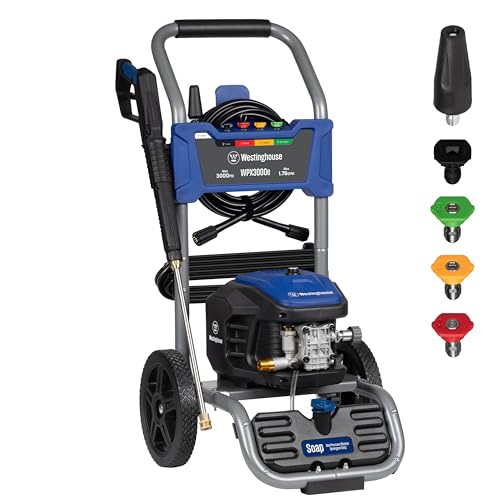 Westinghouse WPX3000e Electric Pressure Washer3000 Max PSI22.6 x 25.6 x 36.6 inches36.8 poundsCheck on Amazon
The best pressure washer for most households is a mid-range electric model, because it handles cars, fences and patios without fuel, a pull cord or exhaust. Gas units earn their place on big concrete areas or where no outlet is nearby. This roundup sorts ten listings by what their titles actually state, so you can match a machine to a job instead of chasing the biggest number.
Top picks at a glance

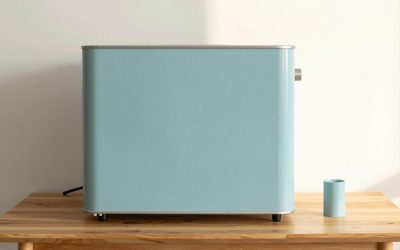
Pressure Washer, Portable Power Washer, 4 Quick Connect Nozzles, High Pressure Cleaning Machine for Car Fence Driveway Patio Washing and More(Light Green)
One of the home product options compared in this guide.
Check Price on AmazonWestinghouse ePX3500 Electric Pressure Washer, 2500 Max PSI 1.76 Max GPM with Anti-Tipping Technology, Onboard Soap Tank, Pro-Style Steel Wand, 5-Nozzle Set, for Cars/Fences/Driveways/Home/Patios
One of the home product options compared in this guide.
Check Price on AmazonWestinghouse WPX3000e Electric Pressure Washer, 3000 Max PSI and 1.76 Max GPM, Induction Motor, Onboard Soap Tank, Spray Gun and Wand, 5 Nozzle Set, for Cars/Fences/Driveways/Homes/Patios/Furniture
One of the home product options compared in this guide.
Check Price on Amazon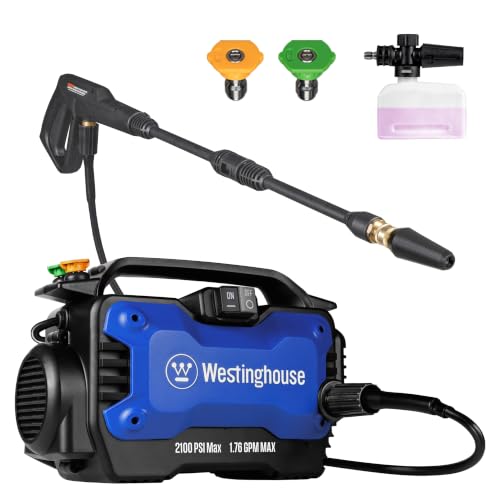
Westinghouse ePX3100s Electric Pressure Washer, 2100 Max PSI 1.76 Max GPM with Foam Cannon and Turbo Nozzle, for Cars/Fences/Driveways/Home/Patios
One of the home product options compared in this guide.
Check Price on Amazon
Greenworks 3000 PSI (2.0 GPM Max) Brushless Electric Pressure Washer
One of the home product options compared in this guide.
Check Price on Amazon
Westinghouse WPX3400 Gas Pressure Washer, 3400 PSI and 2.6 GPM, Onboard Soap Tank, Spray Gun and Wand, 5 Nozzle Set, for Cars/Fences/Driveways/Homes/Patios/Furniture
One of the home product options compared in this guide.
Check Price on Amazon
Westinghouse ePX3100 Electric Pressure Washer, 2300 Max PSI 1.76 Max GPM with Anti-Tipping Technology, Onboard Soap Tank, Pro-Style Steel Wand, 5-Nozzle Set, for Cars/Fences/Driveways/Home/Patios
One of the home product options compared in this guide.
Check Price on Amazon
Westinghouse ePX3100v Electric Pressure Washer, 2100 Max PSI 1.76 Max GPM, Built-in Carry Handle, Detachable Foam Cannon, Pro-Style Steel Wand, 3-Nozzle Set, for Cars/Fences/Driveways/Home/Patios
One of the home product options compared in this guide.
Check Price on Amazon
4200 PSI 4.0 GPM Gas Pressure Washer, 212cc Heavy Duty Power Washer, Commercial Gas Powered Pressure Washer for Driveways, Cars, Decks, Patios, Siding and Outdoor Cleaning
One of the home product options compared in this guide.
Check Price on Amazon
Greenworks 2100 PSI (1.2 GPM) Electric Pressure Washer
One of the home product options compared in this guide.
Check Price on Amazon| Model | Key point from the title | Price tier | Best for |
|---|---|---|---|
| Westinghouse ePX3100s | 2100 max PSI, foam cannon, turbo nozzle | Budget | Light car and patio washing |
| LWQ portable washer | 4 quick-connect nozzles, no PSI stated | Budget | Occasional small jobs |
| Westinghouse ePX3100v | Carry handle, detachable foam cannon | Budget | Storage-conscious buyers |
| Westinghouse ePX3100 | 2300 max PSI, anti-tipping | Budget | General household cleaning |
| Greenworks 2100 PSI | 1.2 GPM, electric | Budget | Light-duty, lower water use |
| Westinghouse ePX3500 | 2500 max PSI, anti-tipping, soap tank | Mid-range | Fences and driveways |
| Westinghouse WPX3000e | 3000 max PSI, induction motor | Mid-range | Heavier electric cleaning |
| IvyBess 4200 PSI gas | 4.0 GPM, 212cc engine | Mid-range | Large surfaces, no outlet |
| Greenworks 3000 PSI | 2.0 GPM max, brushless | Premium | Higher-flow electric work |
| Westinghouse WPX3400 gas | 3400 PSI, 2.6 GPM | Premium | Decks, siding, big patios |
What is changing in this category
Electric pressure washers have taken over the home market, and the pattern across these listings shows why. Most sellers now pair an electric motor with a foam cannon or onboard soap tank, a set of quick-connect nozzles and a headline “max PSI” figure. For typical household chores that combination is quieter, easier to start and simpler to store than a gas engine.
Two trends are worth noticing. First, brushless and induction motors are being highlighted in titles, which sellers usually link to longer motor life and quieter running. Those are manufacturer claims, so treat them as reasons to read the spec sheet rather than guarantees. Second, flow rate (GPM) is getting more attention. A machine with a modest PSI but a higher GPM can clean faster than its pressure number suggests, which is why this article compares both values.
Gas models remain relevant for large driveways and commercial-style claims, but they bring fuel, oil, exhaust and maintenance. Expect marketing language like “heavy duty” to keep growing, and expect the numbers in titles to describe peak, not sustained, output. Always verify on the listing before buying.
How we picked these
We compared ten pressure washer listings using only the facts in each title and the product page details a buyer can check: power type, max PSI, GPM, accessories and brand. We favored clear specifications, a sensible accessory set and a believable fit for common home jobs. Nobody on the team used or measured these units. Where a title is vague or a model name looks confusing, we say so plainly and suggest what to confirm on the listing.
The ten pressure washers, one by one
Westinghouse ePX3100s: the lightest-duty Westinghouse here
The title states 2100 max PSI, 1.76 max GPM, a foam cannon and a turbo nozzle, and it is the lowest-priced listing in this set. That makes it an entry-level machine aimed at rinsing cars, patio furniture and small decks. A foam cannon is handy for vehicle washing, though you will need to confirm what soap it works with and how it connects.
Picture a weekend routine: wash two cars, rinse the garage door, then sweep off a small patio. Steady use like that suits a unit of this class. Stubborn algae or oil stains on concrete will likely need more power or more patience.
- Pros: low entry cost; foam cannon and turbo nozzle named in the title.
- Pros: shares the 1.76 GPM figure with its bigger siblings.
- Cons: lowest max PSI among the Westinghouse electrics.
- Cons: the title lists no hose length, cord length or soap tank.
Treat the low price as a signal about scope: this is a seasonal tool for light chores, and a buyer who expects to clean a whole house exterior may outgrow it quickly. Keep expectations modest and the nozzle wide.
Check the listing for cord and hose length, GFCI plug details and warranty terms. Ask yourself: do your surfaces need cleaning power, or mostly a gentle rinse?
LWQ portable power washer: generic title, thin specifications
This listing mentions four quick-connect nozzles and uses for cars, fences, driveways and patios, but the title gives no PSI, no GPM and no power rating. Without those numbers there is no honest way to rank its cleaning ability against the rest of the set. It is portable and appears to target occasional, small jobs.
A realistic use case is a renter or apartment owner who washes a bike, a grill and a balcony a few times a year. For that buyer, low storage footprint matters more than raw power. Because key numbers are missing from the title, comparison shopping is harder than with the named-brand listings.
- Pros: quick-connect nozzles named; low price relative to the set.
- Pros: portable positioning suits small storage spaces.
- Cons: no PSI or GPM in the title; hard to compare.
- Cons: brand name is unfamiliar, so support and parts access are worth checking.
Be aware that generic listings sometimes reuse photos and descriptions across several sellers, so confirm that the product page, the box contents and the questions section all describe the same machine.
Check the listing for the stated pressure, flow, cord length and return policy. Before buying, ask: can I find the real PSI and GPM on the product page, and does it match the claims?
Westinghouse ePX3100v: carry handle and detachable foam cannon
This version lists 2100 max PSI, 1.76 max GPM, a built-in carry handle, a detachable foam cannon, a pro-style steel wand and a three-nozzle set. Notice it carries fewer nozzles than the ePX3500 and ePX3100, and its title does not mention an onboard soap tank or anti-tipping design.
It suits someone who stores the washer on a garage shelf and carries it to the driveway each time. The handle matters if you do that often. The detachable cannon lets you switch between foaming and plain rinsing without a long accessory swap.
- Pros: built-in handle for easy carrying.
- Pros: steel wand named, plus a detachable foam cannon.
- Cons: only three nozzles in the set.
- Cons: same 2100 max PSI as the cheaper ePX3100s, so extra cost buys convenience, not power.
If you rarely move the machine, the handle is a small bonus and the cheaper ePX3100s may serve you just as well. If storage is tight, a compact body with a good handle is worth a few extra dollars.
Check the listing for weight, hose length and cord length. Ask: how often will I move this machine, and would a different set of nozzles matter to me?
Westinghouse ePX3100: a model-number puzzle with 2300 max PSI
The title lists 2300 max PSI, 1.76 max GPM, anti-tipping technology, an onboard soap tank, a pro-style steel wand and five nozzles. The confusing part is the naming: ePX3100 sits alongside ePX3100s and ePX3100v, which list 2100 max PSI, so the number in the model name does not predict the pressure. Always compare listed specs, not model numbers.
This is a sensible general-purpose pick for a homeowner with a car, a fence and a patio. Anti-tipping helps on hoses that tug the machine, and the soap tank lets you apply detergent without a separate cannon.
- Pros: five nozzles, soap tank and anti-tipping in one title.
- Pros: slightly higher max PSI than the two similarly named models.
- Cons: the model name invites mix-ups with nearby listings.
- Cons: 1.76 GPM is the same as the cheaper models.
Because the same family includes models with different pressure ratings, screenshot the listing’s specification table before you order. If the delivered box shows different numbers, you will have evidence for a return.
Check the listing to confirm exactly which version you are buying. Ask: does the page match the 2300 PSI figure in the title?
Greenworks 2100 PSI (1.2 GPM): lower flow, lower water use
This electric listing is brief: 2100 PSI and 1.2 GPM, nothing else. Its flow is the lowest of the set, so a pass over a surface will deliver less water than the 1.76 GPM Westinghouse units. That can be a trade-off: slower on large areas, but friendlier if you are watching water use or have a modest supply.
A good scenario is a small deck, outdoor furniture and a grill cleanup where you do not need speed. The title does not tell us about soap delivery, nozzles or cord length, so a careful read of the product page is essential.
- Pros: recognizable brand name; modest water draw.
- Pros: straightforward two-number specification.
- Cons: lowest GPM in the roundup.
- Cons: title lists no accessories.
Lower flow also reduces the load on a small household water supply, which can help if your outdoor tap is slow. Just expect to spend longer on each section of wall or paving.
Check the listing for included nozzles, detergent method, hose and cord lengths. Ask: is a slower clean acceptable for my surfaces?
Westinghouse ePX3500: 2500 max PSI with anti-tipping and a soap tank
The title states 2500 max PSI, 1.76 max GPM, anti-tipping technology, an onboard soap tank, a pro-style steel wand and a five-nozzle set. It sits in the middle of the electric range: stronger on paper than the ePX3100 variants, below the WPX3000e.
It fits a homeowner who wants one machine for cars, fences and a driveway, and who would rather not buy a separate foam cannon. A steel wand tends to feel more solid than plastic, though the title gives no weight or length.
- Pros: balanced specification set for general use.
- Pros: onboard soap tank and five nozzles named.
- Cons: still only 1.76 GPM, same as the cheaper units.
- Cons: electric power may struggle with heavy oil stains.
Anti-tipping designs help when you drag a hose around corners, because the body is less likely to topple. On uneven ground, that stability is easy to appreciate.
Check the listing for cord length, hose length and whether the soap tank is practical to refill. Ask: do my regular jobs justify 2500 over 2300?
Westinghouse WPX3000e: induction motor and 3000 max PSI
The title lists 3000 max PSI, 1.76 max GPM, an induction motor, an onboard soap tank, spray gun and wand, five nozzles and uses that include furniture. Induction motors are commonly associated with quieter operation and longer service life, but that is general background, not a verified claim for this unit.
It suits a buyer who wants the highest electric pressure in the Westinghouse lineup without moving to gas. A typical weekend might include a fence, a front walk and a set of patio chairs. The flow rate, however, is unchanged from cheaper models, so the extra PSI is the main upgrade.
- Pros: highest PSI among the Westinghouse electrics.
- Pros: induction motor named in the title.
- Cons: 1.76 GPM limits how fast large areas get done.
- Cons: no anti-tipping or steel wand mentioned in this title.
Higher pressure demands more care with technique. Use a wide nozzle on wood and painted surfaces, and reserve narrow tips for hard concrete where a slip will not leave a visible scar.
Check the listing for weight, warranty length and cord length. Ask: do I need 3000 PSI, or would a higher-flow model clean my surfaces faster?
IvyBess 4200 PSI gas washer: big numbers, claims to verify
The title lists 4200 PSI, 4.0 GPM, a 212cc engine and describes the unit as a heavy duty, commercial gas power washer for driveways, cars, decks, patios and siding. That is the highest PSI and flow in the set by a wide margin. “Commercial” is a marketing word, not a standard, and the brand may be unfamiliar, so parts, support and warranty deserve extra attention.
A realistic buyer owns a large driveway or a long fence run, has outdoor space for a gas engine and is comfortable with fuel, oil and a pull start. Because 4200 PSI can damage wood, siding and softer surfaces, a wide-angle nozzle and careful technique are important.
- Pros: highest stated pressure and flow in the roundup.
- Pros: no outlet needed for use.
- Cons: gas upkeep, exhaust and noise.
- Cons: very high pressure can harm delicate surfaces; unfamiliar brand.
Also confirm noise expectations, fuel tank size and the weight of the frame. Large engines vibrate and drone, so neighbors and hearing protection both deserve a thought before you pull the cord.
Check the listing for warranty terms, included nozzles, hose length and parts availability. Ask: do I really have jobs large enough to justify this much power?
Greenworks 3000 PSI (2.0 GPM max) brushless: higher-flow electric option
The title gives 3000 PSI, 2.0 GPM max and a brushless electric motor. Of the electric models here, it has the highest stated flow, which can mean faster rinsing over larger areas than the 1.76 GPM units. Brushless motors are often described as efficient and long-lived, though that is a seller-style claim to confirm.
It fits a buyer who wants more capability than a basic electric washer but does not want to manage a gas engine. The title does not name accessories, so check the nozzle set and soap method carefully before comparing it with the Westinghouse listings that spell those out.
- Pros: highest GPM among the electric models.
- Pros: brushless motor named in the title.
- Cons: priced at the top of the set.
- Cons: no accessories, cord or hose details in the title.
Higher flow means more water leaving the nozzle, so your supply hose and tap need to keep pace. Confirm the minimum inlet requirement in the manual before relying on the stated maximum.
Check the listing for what ships in the box. Ask: does the extra flow matter for my surfaces, or would a cheaper machine do?
Westinghouse WPX3400 gas: a mid-size gas option
The title lists 3400 PSI, 2.6 GPM, an onboard soap tank, spray gun and wand, and a five-nozzle set. It sits between the electric models and the IvyBess in power. It is a reasonable choice for decks, siding and larger patios if you accept the gas routine.
Gas safety matters here. Run any gas-powered washer outdoors with good ventilation, away from windows and doors, because engine exhaust contains carbon monoxide. Store fuel as the manufacturer directs, and follow the manufacturer’s instructions and local codes.
- Pros: more flow than any Westinghouse electric.
- Pros: onboard soap tank and five nozzles named.
- Cons: gas maintenance, noise and fuel handling.
- Cons: heavier to move than electric alternatives.
A mid-size gas unit can be a compromise for someone who finds electric too weak but does not need the largest engine. Weigh the extra capability against the added maintenance honestly.
Check the listing for engine details, oil requirements and warranty. Ask: will I use it often enough to keep a gas engine healthy?
Buying guide: choosing a pressure washer
Electric or gas
Electric suits cars, patio furniture, fences and small to mid-size driveways. It starts at the push of a button, is quieter and has no exhaust. Gas suits large surfaces and locations without power but demands fuel, oil changes and winter storage. If you are unsure, start with electric.
PSI and GPM together
PSI is pressure; GPM is water volume. Many buyers use the product of the two as a rough cleaning-power comparison, sometimes called cleaning units. It is a rule of thumb, not a standard, and it relies on the “max” figures sellers publish.
Nozzles, soap and wands
Quick-connect nozzles let you swap spray angles in seconds. Narrow tips concentrate force and risk etching wood or concrete; wide tips are safer for general rinsing. A soap tank or foam cannon saves a separate accessory, but confirm which detergents the manufacturer allows.
Cord, hose and portability
Short cords and hoses cost more time than most buyers expect. Plan on an outdoor-rated extension cord only if the manual permits it, and keep connections off wet ground. Handles, wheels and weight matter if you store the machine in a shed.
Water supply and hose setup
Every pressure washer needs a steady inlet supply, and the listed GPM assumes you can provide it. A garden hose that is too thin or too long, a partly closed tap or low household water pressure can starve the pump. Check the manual for the minimum inlet flow and fit the supply hose accordingly. Higher-flow machines, such as the 2.6 and 4.0 GPM gas units here, are the most demanding.
Matching nozzle angle to the surface
Nozzle color codes vary by brand, so rely on the printed angle rather than color. A wider fan, often around 25 or 40 degrees, is the safe default for cars, siding and wood. Narrow tips, such as 15 degrees or a turbo nozzle, concentrate force for concrete stains. Keep the wand moving and begin farther from the surface than seems necessary; you can always move closer.
Maintenance and winter storage
Electric units need little more than a clean inlet filter, a drained pump and indoor storage in freezing weather. Water left inside a pump can freeze and crack it, so follow the manual’s winterizing steps. Gas engines add oil checks, fuel stabilizer, spark plug care and a periodic tune-up. Neglecting that routine is the main reason gas washers refuse to start after a season in the shed.
Worked example: pressure, flow and water use
The figures below multiply the listed max PSI by the listed max GPM. We use them only as a rough comparison. Water use assumes 30 minutes of continuous spraying at the stated max flow, which real jobs rarely match.
| Model | Max PSI x max GPM | Water in 30 minutes (estimate) |
|---|---|---|
| Greenworks 2100 PSI | 2,520 | 36 gallons |
| Westinghouse 2100 PSI models | 3,696 | about 53 gallons |
| Westinghouse ePX3100 | 4,048 | about 53 gallons |
| Westinghouse ePX3500 | 4,400 | about 53 gallons |
| Westinghouse WPX3000e | 5,280 | about 53 gallons |
| Greenworks 3000 PSI | 6,000 | 60 gallons |
| Westinghouse WPX3400 | 8,840 | 78 gallons |
| IvyBess 4200 PSI | 16,800 | 120 gallons |
Read the table with care. The IvyBess figure is enormous because both inputs are large, and a surface that needs gentle cleaning would be at risk. Meanwhile, a household with a small garden hose supply may not keep a 4.0 GPM machine fed at all.
Specification concepts at a glance
| Spec concept | What to look for | Why it matters |
|---|---|---|
| Max PSI | A figure that matches your toughest surface | Too high can damage wood and siding |
| GPM | Higher for large areas | Flow sets how fast you clean |
| Power type | Electric for home chores, gas for large jobs | Affects noise, upkeep and storage |
| Nozzle set | Several angles with quick connect | Lets you match force to surface |
| Soap delivery | Onboard tank or foam cannon | Saves time on vehicles and decks |
| Warranty and parts | Clear terms and replacement parts | Seals, pumps and hoses wear out |
Safety basics apply to every unit. Never point a spray at people, pets or electrical outlets, wear eye protection and closed shoes, and keep the trigger lock engaged when you pause. Electric washers should use a GFCI-protected outlet. Follow the manufacturer’s instructions and local codes.
Mistakes buyers make
Chasing PSI alone is the most common error. Flow rate changes how quickly you clean, and a very high PSI can mark wood, strip paint or push water behind siding.
Another mistake is trusting model numbers. The Westinghouse ePX3100 family shows how names can mislead; read the numbers on the listing instead.
Buyers also underestimate storage and cord length, skip eye protection and forget that gas machines need regular upkeep. Finally, many buy a gas model for jobs an electric unit would handle quietly.
A quieter mistake is ignoring consumables and add-ons. Hoses, O-rings, spray guns and nozzles wear out, and a seller with a thin parts catalog can leave you replacing the whole machine over a few dollars of rubber. Read the warranty text, look for a parts diagram and keep your receipt.
Last, some buyers use the wrong detergent. Household bleach, solvents and dish soap can damage pump seals or surfaces, and some chemicals should never pass through the machine. Use only what the manufacturer approves, rinse thoroughly and flush the system after soap use.
Verdict by use case
For light car and patio work, the Westinghouse ePX3100s or ePX3100v are the economical choices. For a balanced household machine, the ePX3100 or ePX3500 fit well. For stronger electric cleaning, consider the WPX3000e, or the Greenworks 3000 PSI if flow matters. For large surfaces, the WPX3400 and IvyBess are the gas options; the IvyBess demands the most caution. The LWQ and Greenworks 2100 PSI suit occasional light chores.
Related guides
Frequently asked questions
Is electric or gas better for a home pressure washer?
For most households, electric is the better fit. It starts with a button, runs quieter, produces no exhaust and needs little upkeep, which suits cars, fences, patios and small driveways. Gas models make sense for large surfaces, remote spots without power or tougher buildup. They require fuel, oil changes and winter care, and must run outdoors with good ventilation. Follow the manufacturer’s instructions and local codes.
What does max PSI really tell me?
Max PSI is the peak pressure a seller claims the pump can reach, not a promise of sustained output. It is useful for comparing models, but it should be read with GPM, because flow determines how quickly a surface gets clean and how much water you use. A very high PSI can also damage wood, siding and paint, so a lower figure with the right nozzle is often enough.
Can a pressure washer damage my driveway or siding?
Yes. High pressure and narrow nozzles can etch concrete, splinter wood, strip paint and force water behind siding. Start with a wide-angle nozzle, stay a safe distance back and test on a hidden spot first. Check the surface maker’s guidance, and never aim the spray at windows, outlets or people. When in doubt, choose a lower setting and a wider fan, then work closer only if the surface can take it.
Do I need a foam cannon or soap tank?
They are conveniences rather than requirements. A foam cannon is popular for vehicles because it coats the surface evenly. An onboard soap tank lets you apply detergent through the wand without extra gear. Check which detergents the manufacturer approves, since the wrong chemical can harm seals or surfaces. Some buyers prefer to rinse with plain water only, which keeps maintenance simple and avoids residue on glass or paint.
How much water does a pressure washer use?
Use is roughly the stated GPM multiplied by the minutes of spraying. At 1.76 GPM, 30 minutes would use about 53 gallons, while a 4.0 GPM unit would use about 120 gallons. These are estimates assuming continuous spraying at maximum flow. Real jobs include pauses, so actual use is usually lower, but your water supply should still keep up with the peak demand listed in the manual.
What should I check before buying a gas pressure washer?
Confirm the engine size, oil and fuel requirements, warranty length and whether replacement parts are easy to find. Make sure you have outdoor space with plenty of ventilation, because exhaust contains carbon monoxide. Plan for fuel storage, regular maintenance, safe fuel handling and hearing protection. Gas machines also tend to be heavier and louder than electric ones, so be honest about how often you will use it.




Write Your Review
No reviews yet. Be the first to share your experience!