
Key takeaways
What's inside
Best rice for rice cooker choices transform basic home cooking into a restaurant quality dining experience. Many home cooks struggle with soggy grains, unevenly cooked batches, or burnt bottoms when using standard long grain options. This ultimate guide breaks down top grain varieties, essential features, and expert tips to help you select perfect rice.
🛒 Best Price Today on Amazon
Prime members get fast, free shipping on everything above, plus member-only deals. New members get a 30-day free trial — cancel anytime.
How to Choose the Ideal Grain Variety
Selecting the best rice for rice cooker units requires understanding how different starch levels impact final texture. Long grain varieties yield firm separate grains while short grain varieties create tender sticky results. Evaluating your daily meal choices ensures you buy a compatible grain that cooks evenly during every cycle.
As an Amazon Associate we earn from qualifying purchases at no extra cost to you. Product prices and availability are accurate as of the date shown and are subject to change.



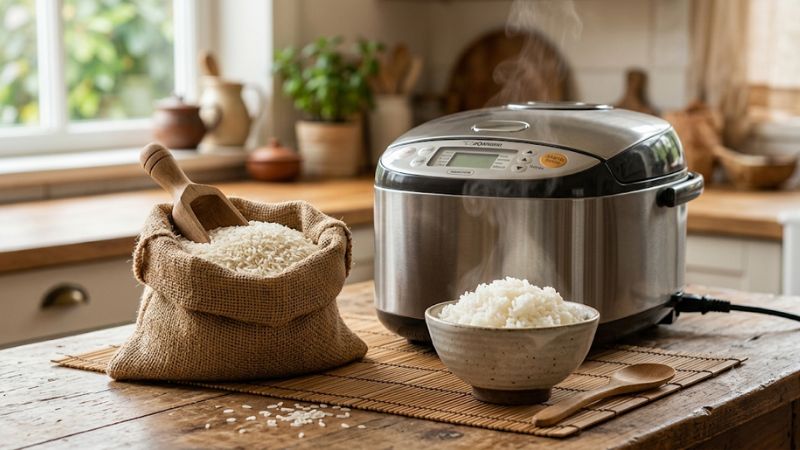
Starch Content and Grain Length
Amylose and amylopectin represent the two primary starches that define how grains behave during heating. High amylose content produces dry fluffy rice that remains separated after steaming. Conversely high amylopectin content yields sticky moist grains ideal for sushi rolls or comforting porridge recipes in electric cookers.
Matching starch profiles with your preferred dishes guarantees superior culinary performance in automatic appliances. Long grain jasmine and basmati provide light airy results for everyday dinners. Short grain options absorb water rapidly creating rich thick textures suitable for specialized cultural meals and sticky side dishes.
Moisture Content and Processing Methods
Freshly harvested new crop rice contains elevated natural moisture requiring slightly less water during automated preparation. Aged rice has lost excess surface water over time allowing it to absorb rich seasonings and broths without becoming mushy. Checking package harvest dates gives accurate control over water ratios.
Finding the best rice for rice cooker devices involves choosing between polished white and whole grain brown varieties. White rice cooks faster because manufacturers remove the tough outer bran layer during processing. Brown rice retains its nutritious bran coating demanding longer cooking times and additional liquid volume.
Aroma Profiles and Culinary Uses
Aromatic grains elevate daily dining through natural nutty or floral fragrance released during steam cycles. Jasmine rice offers subtle sweet aromas that pair wonderfully with spicy curries and stir fries. Basmati rice features long slender kernels that expand significantly yielding fragrant light companion dishes.
Selecting aromatic options creates rich sensory meals without needing complex sauces or extra butter. Unscented medium grain choices provide a neutral base that absorbs savory pan juices easily. Selecting appropriate grain fragrance guarantees your side dishes complement main proteins without overpowering delicate flavors.
Top Picks for Electric Rice Cookers
Evaluating premium grain brands helps home cooks achieve consistent fluffiness and rich flavor every day. High quality options minimize starch buildup inside nonstick inner pots while maximizing natural taste. Below is a helpful comparison matrix followed by detailed mini reviews for the top rice selections on the market today.
| Product Name | Grain Type | Texture | Ideal Cooking Use | Key Benefit |
| Lundberg Family Farms | Jasmine | Fluffy and Tender | Curries and Stir Fries | Organic Quality |
| Nishiki Premium | Medium Grain | Soft and Sticky | Sushi and Bowls | Reliable Clumping |
| Royal Himalayan Aged | Basmati | Dry and Separate | Pilafs and Biryanis | Extra Long Kernels |
Lundberg Family Farms Organic Jasmine Rice
Lundberg Family Farms produces exceptional organic jasmine rice grown carefully in California soil. This product suits families seeking clean non GMO ingredients with vibrant floral notes. Using the best rice for rice cooker machines guarantees clean fluffy grains that stay separate without clumping together after cooking.
Pros include outstanding organic purity delightful aroma and uniform grain size that cooks evenly. The main con centers on its higher price point compared to generic store brands. This premium option remains worth buying for health conscious home chefs who prioritize sustainable farming practices and rich natural flavor.
Nishiki Premium Medium Grain Rice
Nishiki Premium is an outstanding medium grain option tailored for stickier Asian style meals. It works exceptionally well for individuals who enjoy making sushi bowls rice balls or cozy porridge dishes. Electric heat cycles unlock its smooth tender texture while maintaining an appealing slight chewiness in every bite.
Advantages include impressive versatility great binding quality and consistent performance in budget appliances. On the downside it can easily become overly sticky if rinsed inadequately before cooking. Users who follow proper rinsing techniques will love its authentic texture and reliable performance for daily dinners.
Royal Himalayan Aged Authentic Basmati Rice
Royal Himalayan Basmati undergoes natural aging processes to enhance grain elongation and nutty scent. This grain ideal for Indian pilafs and savory biryanis expands up to double its original length. Home cooks using the best rice for rice cooker setups will enjoy perfectly dry separate kernels every single time.
Key highlights are its extraordinary aroma non sticky texture and long elegant appearance on the dinner plate. However it requires a thirty minute cold water soak before cooking to achieve maximum grain length. Culinary enthusiasts who take time for proper prep work will consider this authentic basmati an absolute staple.
Frequently Asked Questions About Rice Cookers
Understanding proper cooking techniques solves common issues like sticky textures or dry uncooked kernels. Simple adjustments to water measurements and soaking routines dramatically improve final meal quality. Review these popular questions to optimize your automated appliance and achieve perfect side dishes every evening.
How Much Water Should You Add for Best Results
Accurate liquid ratios determine whether your steamed grains turn out soft or unpleasantly hard. Choosing the best rice for rice cooker models requires using provided measuring cups rather than standard kitchen cups. Most white varieties thrive on a one to one ratio while brown grains need extra liquid for tenderness.
Measuring liquid carefully prevents boiling over and keeps nonstick liners easy to clean after meals. Adjusting water slightly based on personal preference allows tailored softness over time. Always check manufacturer guidelines alongside grain package directions to establish ideal water levels for specific grain types.
Why Is Rinsing Rice Essential Before Cooking
Rinsing raw grains removes loose surface starch that accumulates during milling and shipping processes. Excess starch causes liquid to foam aggressively and creates sticky gummy textures inside electric cookers. Running cold water over your grains until liquid runs clear ensures light fluffy results with distinct kernels.
In addition to texture benefits rinsing removes tiny dust particles and surface impurities from packaging. Skiping this step often leads to boil overs that messy steam valves and pot lids. Investing two minutes in rinsing transforms ordinary pantry staples into clean restaurant style side dishes with minimal effort.
How Do You Prevent Rice From Sticking to the Bottom
Unlocking smooth cooking without scorched bottom layers depends on proper oiling and gentle handling. Adding half a teaspoon of olive oil or butter creates a protective moisture barrier across inner pot walls. Selecting the best rice for rice cooker units reduces scorching because quality grains release less excess starch.
Allowing cooked grains to rest on the warm setting for ten minutes lets steam distribute evenly throughout the pot. Fluffing gently with a silicone spatula releases trapped heat and loosens stuck bottom layers. Taking these simple steps protects nonstick pot coatings and keeps every serving tender and appetizing.
Final Thoughts
Selecting the best rice for rice cooker cooking turns basic ingredients into delightful culinary foundations. Matching grain varieties with your favorite recipes guarantees perfect moisture levels fluffy textures and rich aromas. Invest in quality grains follow proper rinsing methods and enjoy effortless meals with family today.






Write Your Review
No reviews yet. Be the first to share your experience!