
Key takeaways
What's inside
Best steaks to sous vide deliver extraordinary tenderness and restaurant quality results right in your home kitchen. Precision temperature control solves the frustrating problem of overcooked edges and tough meat. This detailed guide reveals top beef cuts, essential selection criteria, and expert cooking advice so you can shop with total confidence.
🛒 Best Price Today on Amazon
Prime members get fast, free shipping on everything above, plus member-only deals. New members get a 30-day free trial — cancel anytime.
How to Choose the Right Beef Cut
Selecting superior meat requires understanding how thickness, intramuscular fat, and structural composition react to water bath cooking. Finding the best steaks to sous vide requires analyzing specific butcher traits that enhance both flavor and moisture retention. The following criteria will help you evaluate prospective cuts efficiently.
As an Amazon Associate we earn from qualifying purchases at no extra cost to you. Product prices and availability are accurate as of the date shown and are subject to change.


Ideal Thickness and Uniformity
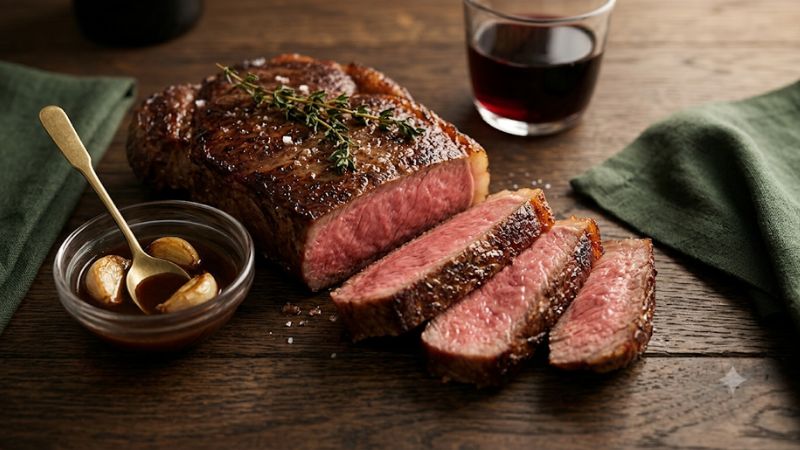
Opting for thick cuts measuring between one and a half to two inches ensures proper thermal penetration during immersion. Thinner steaks tend to overcook instantly during the post-bath searing phase, ruining the target internal temp. Uniform thickness across the entire portion guarantees consistent cooking from edge to center.
When buying pre-packaged portions, inspect each piece to confirm even dimensions from end to end. Irregularly shaped cuts heat unevenly, causing one side to reach medium well while the opposite side remains rare. Prioritizing uniform geometry delivers reliable culinary performance and perfect edge-to-edge color every single time.
Fat Content and Marbling Score
Intramuscular fat melts slowly during prolonged warm water immersion, basting the muscle fibers from within. Choosing rich marbling when preparing the best steaks to sous vide yields incredible tenderness and deep savory taste. Look for fine white specks distributed evenly throughout the lean red sections of the beef portion.
Avoid pieces containing massive exterior fat caps or thick internal gristle bands that fail to render fully. Heavy collagen cuts need higher temperatures or extended hours to break down into soft gelatin. Balanced marbling enhances juicy mouthfeel without leaving excessive unrendered grease in your final vacuum sealed bag.
Meat Grade and Sourcing Quality
USDA Prime offers highest marbling levels, whereas Choice provides a dependable balance of cost and eating quality. Grass-fed options present lean, earthy profiles, while grain-finished beef yields buttery richness and smooth texture. Evaluating supplier standards ensures you receive fresh, properly aged cuts that elevate home dining.
Dry-aged options develop concentrated nutty nuances that shine brilliantly under precise temperature control. Vacuum sealed delivery services maintain strict cold chain standards, preserving fresh flavor straight to your door. Investing in high quality meat sources makes a noticeable difference in aroma, tenderness, and satisfaction.
Top Picks for Precision Cooking
Exploring top market choices simplifies buying while ensuring consistently amazing results for home chefs. Comparing flavor profiles, texture qualities, and cut thickness helps you select ideal options for upcoming meals. Reviewing popular selections highlights superior products tailored specifically for thermal immersion preparation.
| Product Cut Name | Ideal Temperature | Texture Profile | Best Audience | Key Advantage |
| Omaha Boneless Ribeye | 133°F (56°C) | Rich & Juicy | Flavor Seekers | Heavy Marbling |
| Kansas City Filet Mignon | 130°F (54°C) | Ultra Soft | Fine Diners | Extreme Tenderness |
| Chicago Steak Strip | 132°F (55°C) | Beefy & Robust | Classic Steak Fans | Great Searing |
Omaha Steaks Boneless Ribeye Cut
This ribeye features intense marbling that renders into luxurious juiciness during medium-rare water immersion cooking. Home cooks wanting robust beefy flavor will love how effortlessly it softens inside vacuum pouching. Main benefits include deep marbling and generous thickness, though higher fat content might feel rich for some.
Placing this boneless cut into your circulator setup guarantees uniform heating without tough dry spots. The generous thickness allows a blazing hot skillet flash sear without overcooking internal meat layers. Choosing this option as one of the best steaks to sous vide elevates dinner parties into memorable steakhouse experiences.
Kansas City Steak Company Filet Mignon
Ideal for diners who crave melt-in-your-mouth tenderness, this lean tenderloin cut performs exceptionally well under gentle heat. The mild flavor profile absorbs herb butter and garlic aromas quickly inside vacuum seals. Notable pros are buttery texture and uniform shaping, while the lower fat content offers less intense beef flavor.
Cooking filet mignon precisely prevents the lean fibers from drying out, maintaining supreme softness throughout. A brief cast iron sear creates a crisp outer crust that contrasts beautifully with the tender pink center. Serving this elegant cut impresses guests seeking refined textures without dealing with heavy internal fat.
Chicago Steak Company New York Strip
Tailored for traditional steak lovers, this cut offers a firm chew combined with fantastic beefy flavor throughout. It ranks among the best steaks to sous vide for party guests who appreciate classic steakhouse presentation. Key advantages include bold taste and sturdy shape, although tough side fat strips require quick edge searing.
Maintaining water bath temperatures around 132 degrees Fahrenheit tenderizes the strip loin without degrading texture. Searing the thick edge fat cap renders residual fat, imparting incredible savory notes to every bite. This reliable portion remains a top recommendation for satisfying big appetites during weekend gatherings.
Frequently Asked Questions
Clarifying common questions regarding the best steaks to sous vide at home helps eliminate guesswork for beginners. Understanding precise temperature settings, post-cook searing procedures, and handling frozen meat improves culinary confidence. Addressing these practical topics ensures consistent perfection on every attempt.
Optimal Water Temperatures for Steak
Rare steaks require a water bath set between 120 and 128 degrees Fahrenheit for ultimate softness. Medium-rare target temperatures range from 129 to 134 degrees Fahrenheit, offering balanced juice and texture. Setting circulators between 135 and 144 degrees Fahrenheit yields medium readiness without drying out internal protein layers.
Digital immersion circulators maintain these thermal thresholds within fractions of a single degree endlessly. Maintaining steady heat prevents moisture loss while breaking down tough connective fibers gently over time. Matching your chosen temperature setting to personal preference guarantees predictable doneness for every meal.
Best Searing Techniques After Bathing
Thoroughly drying meat surfaces with paper towels before searing is essential for developing a deep crust. Residual surface moisture steams the exterior rather than creating the desired Maillard reaction in the pan. A light brush of high-smoke-point oil allows rapid caramelization in under sixty seconds per side effectively.
Utilizing heavy cast iron skillets or searing torches generates maximum heat transfer without cooking the interior. Chilling the vacuum bag briefly in ice water before searing protects medium-rare centers from overheating. Fast high-heat finishing delivers intense caramelized flavor alongside picture-perfect edge-to-edge color.
Cooking Times for Frozen Beef Cuts
Cooking vacuum sealed steaks directly from frozen storage requires zero thawing time beforehand. You simply add sixty minutes to the standard cooking duration to allow complete thermal defrosting in water. The steady temperature thaw preserves cellular integrity and keeps precious juices locked inside the muscle structure.
This convenient method makes meal preparation effortless during busy weeknights without sacrificing quality. Selecting the best steaks to sous vide directly from frozen inventory saves time while delivering tender results. Enjoying fresh tasting gourmet meat straight from long term freezer storage has never been easier or safer.
Final Thoughts
Selecting the best steaks to sous vide transforms home cooking by ensuring effortless tenderness and spectacular flavor. Matching thick, well-marbled cuts with precise water temperatures yields steakhouse quality meals consistently. Order premium cuts online today to upgrade your culinary journey and enjoy delicious steaks with ease.






Write Your Review
No reviews yet. Be the first to share your experience!