
Cookware best material choices determine how evenly food cooks and how long your kitchen pieces endure. Home chefs frequently struggle with sticking surfaces, hot spots, and premature flaking during daily preparation. This helpful buying guide clarifies top construction options so you can purchase ideal kitchen tools with absolute confidence.
Our top picks
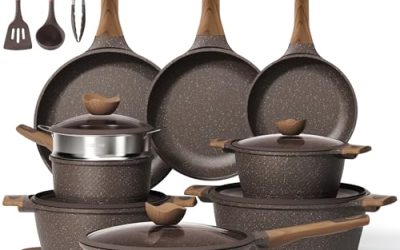
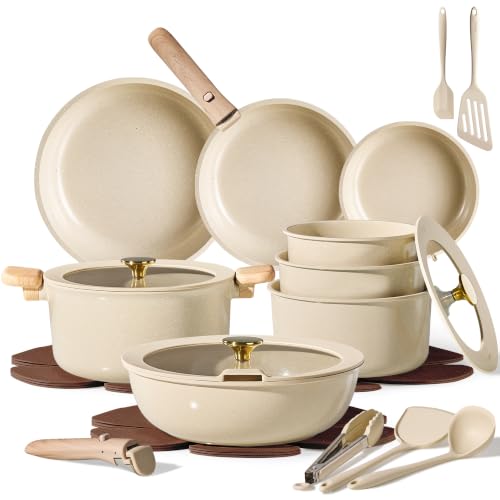 CAROTE 25pcs Ceramic Cookware Set
Ceramic coating is free of PFAS, PFOA, PFOS, PTFE
Detachable handles save up to 70% storage space
Works on induction, gas, electric, and ceramic stovetops
At nearly 18 pounds, the full set is heavy to move
25-piece set requires significant cabinet space
 CAROTE 21pcs Tri-Ply Stainless Steel Cookware Set
Fully clad tri-ply construction heats evenly, reducing hot spots
Uncoated stainless surface skips traditional nonstick coatings
Both oven safe and dishwasher safe for convenience
Uncoated steel needs preheating and oil to avoid sticking
21-piece set needs considerable cabinet storage
 23 Pcs Pots and Pans Set Non
Double-sided ceramic coating resists sticking on both sides
Folds down to just 10 x 10 x 8 inches stored
Oven safe up to 550 degrees Fahrenheit
23-piece set still needs a dedicated storage spot
Detachable handles must be attached before each use
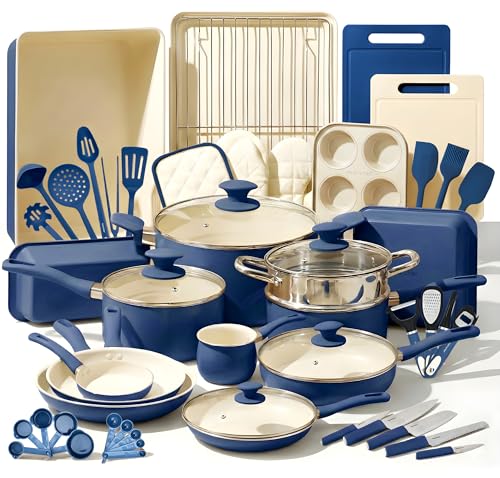 Nutrichef 54 Piece Professional Grade Complete Home
- Consider your kitchen fully equipped, with Nutrichef’s 54…
- Enjoy easy-clean non-stick performance with NutriChef’s durable, ceramic…
- Unleash culinary creativity with our variety of multi-sized…
 All-Clad D5® Stainless Steel Core 10 Piece
5-ply bonded construction aids even, steady heat
Works on induction as well as other stovetops
Oven and broiler safe up to 600 degrees Fahrenheit
Handwash only adds extra cleanup time
At 24 pounds for the set, pieces are heavier to handle
 CAROTE 21pcs Pots and Pans Set Non
- Space-Saving Stackable Cookware Set:The wide-rim design allows for…
- Stovetop to Table Versatility:Serving as both a cookware…
- Secure Detachable Handle Cookware:The detachable handles provide a…
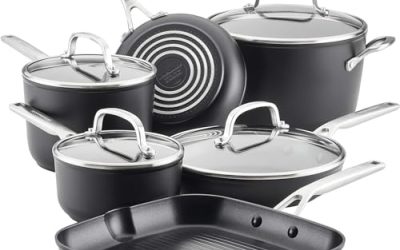
 T-Fal Ultimate Hard Anodized 12-Piece Ceramic Nonstick
Thermo-Spot indicator turns red when the pan is preheated
Hard anodized exterior is built for long-term durability
Riveted silicone handles give a secure, comfortable grip
Not compatible with induction cooktops
Hand washing is recommended over the dishwasher
 CAROTE 21pcs Ceramic Cookware Set
Reinforced die-cast aluminum keeps the set lightweight
Extended bottom design heats evenly on induction and more
Backed by a 12-month manufacturer warranty
Hand washing is recommended over the dishwasher
At over 22 pounds, the full set is heavy to store
As an Amazon Associate we earn from qualifying purchases at no extra cost to you.
🛒 Best Price Today on Amazon
Prime members get fast, free shipping on everything above, plus member-only deals. New members get a 30-day free trial — cancel anytime.
How to Choose the Ideal Cookware Construction
Selecting your cookware best material requires understanding how distinct metals handle thermal energy inside a busy kitchen environment. Many home cooks make purchasing decisions based on appearances rather than functional heat distribution properties. Evaluating these key characteristics upfront prevents costly mistakes and ensures seamless meal preparation.
Heat Conduction and Temperature Control
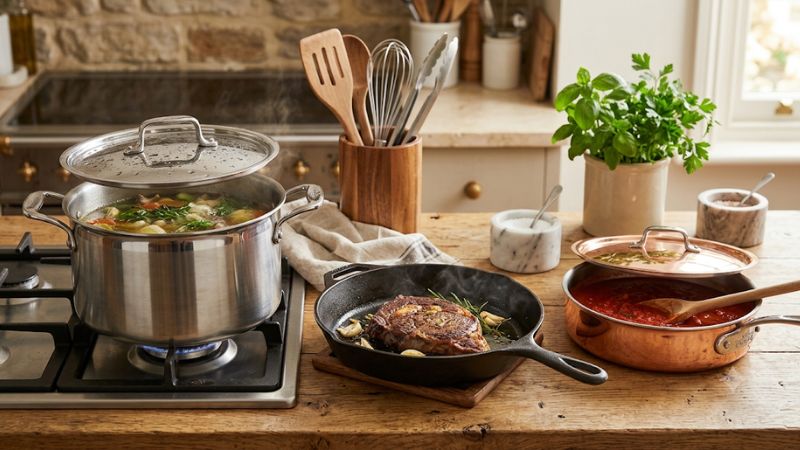
Heat distribution determines how uniformly thermal energy moves across the bottom surface of your pots and skillets during cooking. Metals like copper and aluminum transfer heat rapidly, eliminating hot spots that burn delicate ingredients. Superior conduction ensures consistent searing results across the entire cooking surface area effortlessly.
Proper thermal retention allows cookware to maintain constant temperatures even when cold protein enters the pan surface. Heavy materials such as cast iron store vast heat reserves, making them ideal for high heat searing and slow roasting. Choosing the right thermal profile depends heavily on your primary daily cooking techniques.
Material Durability and Maintenance Needs
Long-term durability varies significantly based on cookware best material compositions chosen for everyday kitchen tasks. Stainless steel resists denting, rusting, and scratching, while delicate nonstick coatings can degrade after several years of regular utility. Investing in sturdy metals guarantees decades of reliable culinary service.
Maintenance requirements directly impact how convenient your cookware remains during busy weeknight cleaning routines. Stainless steel and fully enameled surfaces handle dishwasher cycles easily, whereas raw cast iron demands meticulous hand washing and re-seasoning. Consider how much time you want to spend caring for your pans.
Surface Reactivity with Acidic Ingredients
Surface reactivity is a vital factor when preparing recipes containing tomatoes, citrus juices, wine, or vinegar ingredients. Reactive metals like unlined copper or raw cast iron can leach metallic flavors into acidic foods while stripping away nonstick seasoning. Non-reactive stainless steel provides total flavor purity every time.
Selecting non-reactive cookware ensures complex sauces retain their intended flavor profiles without unwanted chemical interactions. Enameled cast iron offers an excellent non-reactive barrier that handles acidic simmer meals without requiring delicate maintenance. Understanding chemical stability protects both your health and recipes.
Stovetop Compatibility and Weight Considerations
Stovetop compatibility determines whether your selected pots will function properly on induction, electric, or gas burners. Induction cooking requires magnetic base materials, such as magnetic stainless steel or cast iron, to transfer energy effectively. Always verify stovetop requirements prior to investing in new pan sets.
Physical pan weight influences comfortable handling, especially when lifting fully loaded dishes off hot stove surfaces. Heavier Dutch ovens provide unmatched heat stability but require significant wrist strength during daily transport and washing. Lightweight aluminum alternatives offer quick handling for quick daily sautéing tasks.
Top Picks for Every Cooking Style
Exploring top cookware best material options helps home cooks identify ideal equipment matched to their culinary needs. High-performing options span tri-ply stainless steel, rugged cast iron, beautiful enameled vessels, and modern nonstick surfaces. Analyzing actual performance traits simplifies selecting ideal cookware for your home.
| Material Type | Heat Conduction | Durability | Best For | | Stainless Steel | Good | Exceptional | Searing and browning | | Cast Iron | Fair | Lifetime | High-heat searing | | Enameled Cast Iron | Fair | Outstanding | Slow braising | | Hard-Anodized Nonstick | Excellent | Moderate | Eggs and delicate foods |
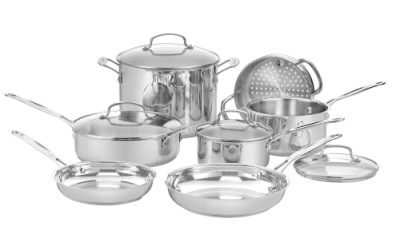
All-Clad D3 Stainless Steel Fry Pan
This tri-ply skillet is ideal for home chefs who want professional searing performance and lifetime durability. It delivers exceptional responsiveness and warp resistance, though it requires proper preheating to prevent food sticking. Choosing this cookware best material guarantees outstanding control for everyday kitchen tasks.
The bonded construction combines an inner aluminum core between layers of stainless steel for uniform thermal diffusion. Dishwasher safe properties and oven compatibility up to six hundred degrees Fahrenheit enhance overall cooking flexibility. This pan delivers consistent professional culinary performance across all heat sources.
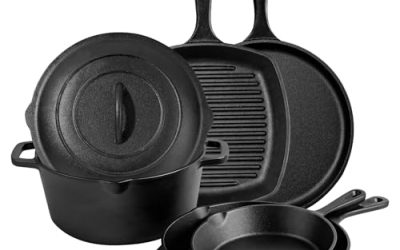
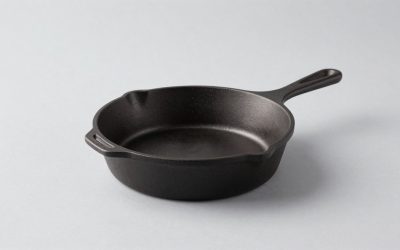
Lodge Pre-Seasoned Cast Iron Skillet
This budget-friendly skillet suits rustic cooking enthusiasts looking for superior heat retention and unmatched searing capability. Its heavy construction holds high temperatures effortlessly, though the heavy iron body demands careful hand washing and drying. It creates incredible crusts on steaks and baked cornbread without bending.
Factory seasoning provides a natural release coating that improves continuously over years of frequent oil cooking. Compatibility with induction stoves, campfires, and high temperature ovens makes this versatile vessel extremely valuable. Proper care ensures this rugged cookware lasts through multiple generations of family cooking.
Le Creuset Enameled Cast Iron Dutch Oven
This luxury Dutch oven serves passion-driven cooks seeking seamless stovetop-to-oven transitions for stews and slow braises. The smooth enamel coating resists acid damage and eliminates seasoning steps, though its premium price point requires real budget commitment. This cookware best material selection balances beauty with utility.
Exceptional thermal retention distributes low steady heat ideal for simmering soups and tenderizing tough meat cuts evenly. Bright exterior colors add aesthetic beauty to open table service while smooth interior light enamel allows easy monitoring. Heavy tight lids lock in moisture effectively during extended roasting periods.
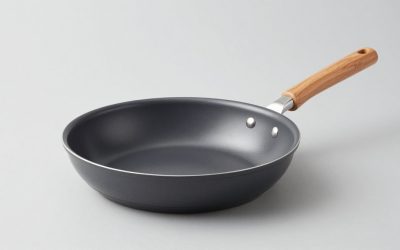
Calphalon Premier Hard-Anodized Nonstick Pan
Designed for busy individuals cooking delicate eggs or fish, this skillet provides effortless release and easy cleanup. The triple layer nonstick interior allows low-fat cooking without food sticking, though metal utensils can eventually degrade the surface. It provides consistent daily performance with minimal kitchen hassle.
Heavy-gauge hard-anodized aluminum construction provides fast heating while resisting warping under normal daily temperatures. Oven safe up to four hundred fifty degrees Fahrenheit, it handles versatile stove-to-oven recipes conveniently. Dishwasher compatibility makes post-dinner cleanup fast for busy weekday households.
Frequently Asked Questions
Addressing common questions regarding cookware best material options empowers buyers to choose pieces suited for daily meal preparation. Clarifying material safety, usability differences, and maintenance steps prevents post-purchase frustration. Review these expert answers to optimize your kitchen setup effectively.
Which Cookware Material Is Safest for Daily Cooking?
Stainless steel, enameled cast iron, and pure glass are widely considered the safest materials for daily food preparation. These non-reactive surfaces do not leach harmful chemicals or metals into food, even when exposed to high heat or acidic sauces. Choosing high quality materials protects health without compromising cooking.
Modern PTFE-free ceramic nonstick coatings also offer safe food release, provided they are maintained without high heat damage. Inspecting pan surfaces regularly for deep scratches ensures long-term cooking safety across all kitchen vessel types. Investing in recognized food-grade testing certifications guarantees daily kitchen safety.
Is Stainless Steel Better Than Nonstick for Beginners?
Determining whether stainless steel or nonstick serves beginners better depends on specific culinary goals and comfort levels. Nonstick pans offer immediate forgiveness for delicate tasks like eggs, making initial cooking feel easy. However, finding your cookware best material involves balancing convenience with long-term durability.
Stainless steel teaches vital temperature control skills and produces superior fond for delicious pan sauces during browning. Beginners who master preheating stainless steel pans gain lifelong culinary control across various recipe styles. Having a mix of both pan types provides initial comfort while building kitchen confidence.
How Do I Maintain Cast Iron to Prevent Rust?
Maintaining cast iron requires washing the pan by hand using mild soapy water and warm water immediately after cooking. Thorough drying with a soft lint-free towel prevents lingering water droplets from reacting with bare iron to form rust spots. Applying a thin oil coat afterwards preserves the seasoning layer continuously.
Heating the oiled skillet gently on a stovetop burner helps seal protective cooking oils directly into iron pores. Avoiding dishwasher exposure and acidic overnight soaking preserves structural integrity across decades of heavy use. Consistent routine care creates a naturally slick surface that rivals nonstick coatings over time.
Final Thoughts
Selecting your ideal cookware best material comes down to matching thermal traits with your primary cooking methods. Stainless steel offers ultimate longevity, cast iron delivers unmatched heat retention, and nonstick provides convenience. Equip your home kitchen with confidence today by choosing the exact material that empowers your recipe.
Write Your Review
No reviews yet. Be the first to share your experience!