
Key takeaways
What's inside
Best kitchen knife sharpening solutions transform dull cutlery into precision tools for everyday meal preparation. Many home cooks struggle with crushed tomatoes and slipped blades because their knives lack a true cutting edge. This comprehensive guide reveals high quality sharpeners that restore peak performance easily.
As an Amazon Associate we earn from qualifying purchases at no extra cost to you. Product prices and availability are accurate as of the date shown and are subject to change.


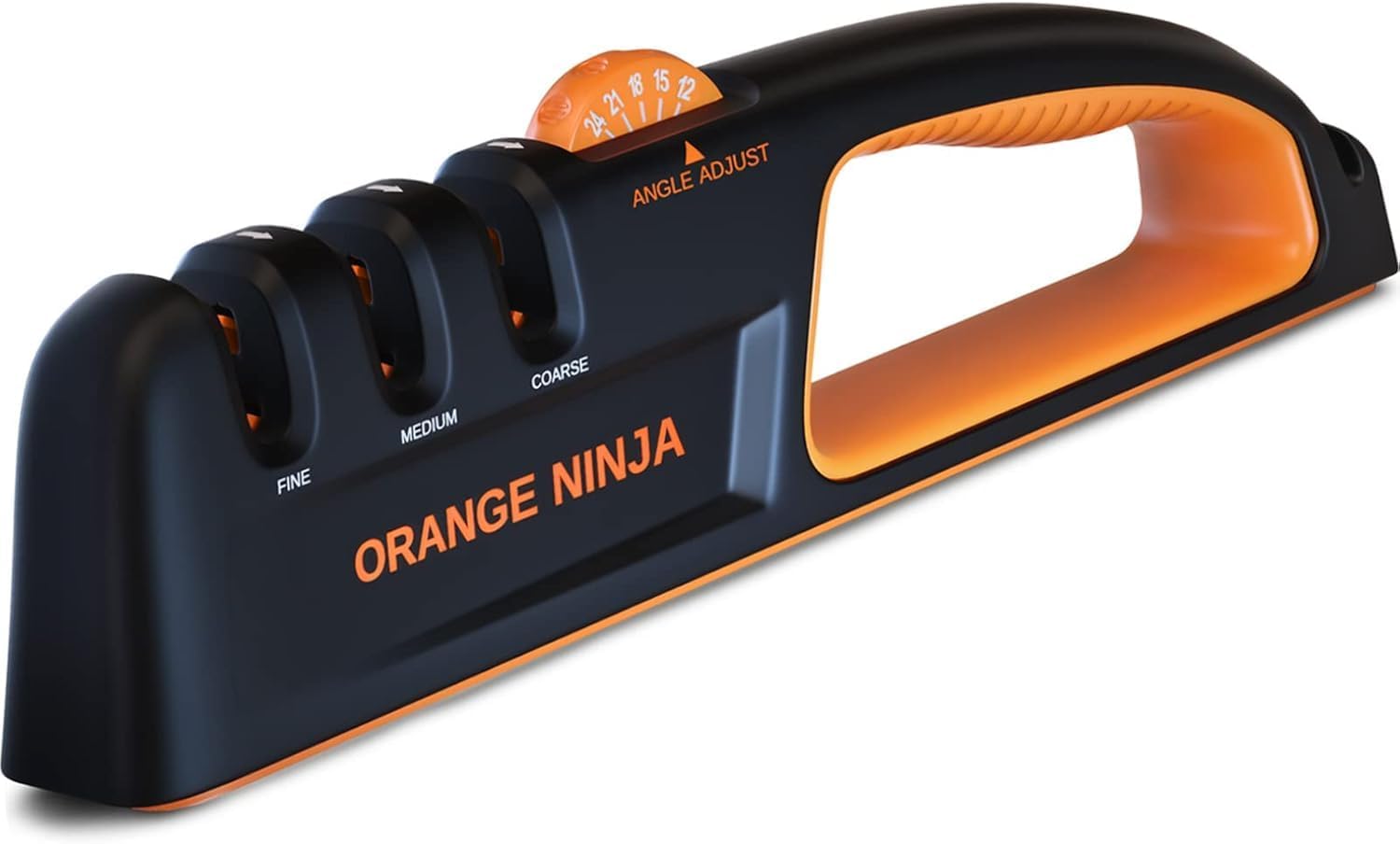
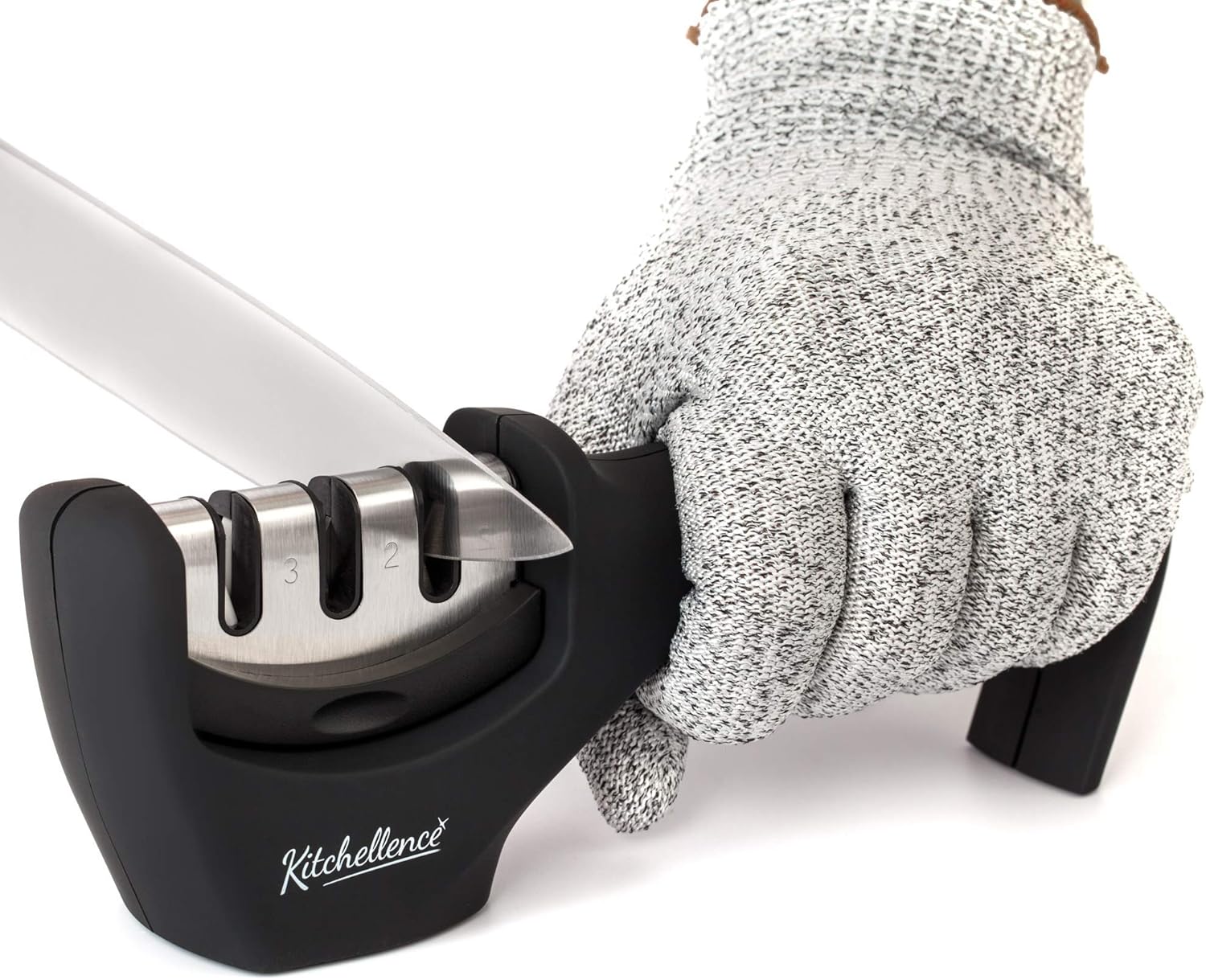


🛒 Best Price Today on Amazon
Prime members get fast, free shipping on everything above, plus member-only deals. New members get a 30-day free trial — cancel anytime.
How to Choose the Ideal Sharpening System
Selecting the best kitchen knife sharpening method requires evaluating your cooking style, available time, and blade collection. Modern sharpeners range from simple handheld pulls to technical whetstones. Finding the right option ensures your knives maintain clean cuts without damaging the underlying metal structure over time.
Consider the Abrasive Material
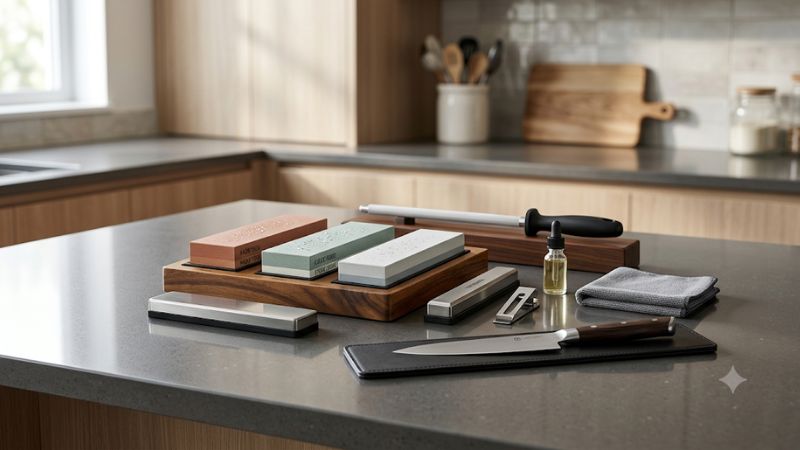
Abrasive materials determine how rapidly metal is removed from the blade edge during maintenance. Diamond abrasives work fastest and suit hard steel, while ceramic inserts provide smooth finishing touches. Selecting durable materials prevents premature wear on both the sharpening system and your valuable kitchen knives during use.
Tungsten carbide offers aggressive metal removal for heavily damaged edges but requires cautious handling. Silicon carbide and aluminum oxide stones provide traditional feel with varying grit levels. Balancing coarse grits for reshaping with fine grits for polishing creates extremely sharp cutlery for daily food preparation tasks.
Evaluate Grinding Angle Control
Maintaining a consistent angle along the entire blade is critical for long lasting sharpness. European knives typically require a twenty degree angle per side, whereas Asian blades often use fifteen degrees. Guided systems and electric models eliminate guesswork by holding the blade at precisely fixed angles during every single pass.
Investing in the best kitchen knife sharpening setup with adjustable angle settings allows versatility across diverse cutlery. Manual stones demand developed physical muscle memory to keep angles uniform across the blade curve. Built in angle guides simplify learning for beginners who want consistent results without frustration.
Assess Convenience and Safety Features
Safety features prevent accidental slips during sharpening sessions on slippery kitchen counter surfaces. Solid rubber bases, ergonomic handles, and protective hand guards safeguard fingers against sharp edges. Choosing devices with stable grounding keeps the sharpening process secure and controlled even for inexperienced users.
Convenience factors include cleanup ease, overall device size, and operational speed for routine maintenance. Electric units sharpen blades within seconds, making them ideal for busy home cooks who value speed. Compact manual tools store effortlessly in narrow drawers, keeping counters clear while remaining accessible for quick touchups.
Top Picks for Effective Knife Sharpening
Finding the best kitchen knife sharpening gear involves balancing performance, convenience, and long term value. Our rigorous testing highlighted outstanding performers across manual, electric, and traditional whetstone categories. Each highlighted tool excels at specific tasks, satisfying diverse budget levels and kitchen skill demands.
| Model | Type | Best For | Key Advantage | | ChefChoice Trizor XV | Electric | Asian & Western Blades | Triple Bevel Edge | | Work Sharp Precision | Guided Manual | Precision Enthusiasts | Adjustable Angles | | King Deluxe Whetstone | Waterstone | Traditional Sharpening | Smooth Polishing | | Lansky Deluxe System | Clamp Guided | Heavy Repair Work | Controlled Precision |
ChefChoice Trizor XV Electric Sharpening System
The ChefChoice Trizor XV provides elite electric performance for converts seeking the best kitchen knife sharpening speed. It converts standard twenty degree factory edges into razor sharp fifteen degree Trizor edges effortlessly. Ideal for busy home chefs, this model utilizes diamond abrasives and flexible stropping disks for smooth edges.
Pros include fast operation, automated angle guides, and exceptional edge durability across repetitive cutting tasks. However, the electric motor creates noticeable operating noise, and the unit consumes significant counter space. It remains a premier choice for cooks wanting rapid, reliable sharpening without manual arm fatigue.
Work Sharp Precision Adjust Manual Sharpening Kit
The Work Sharp Precision Adjust suits detail oriented cooks who want complete control over edge geometry. This clamped system allows continuous angle adjustments between fifteen and thirty degrees in small increments. It works wonderfully for custom kitchen cutlery, offering exceptional repeatability without risking blade damage from heat.
Strengths center on outstanding edge precision, sturdy clamp design, and affordable replacement abrasive rods. The primary drawback is that setup requires extra assembly time before beginning each sharpening job. Users seeking total control over every bevel angle will appreciate the clean, consistent results this tool delivers.
King Deluxe Whetstone Combination Sharpening Set
The King Deluxe dual grit whetstone offers traditional waterstone sharpening for purists who love hands on crafting. Featuring thousand grit for general edge maintenance and six thousand grit for mirror polishing, it elevates kitchen cutlery performance. Enthusiasts seeking the best kitchen knife sharpening ritual will favor this Japanese stone.
Key benefits include smooth cutting feel, excellent polishing capability, and universal compatibility with all steel types. Downsides involve the need for water soaking prior to use and a steep learning curve for angle consistency. Proper technique rewards patient users with scalpel sharp edges unmatched by pull through sharpeners.
Lansky Deluxe 5 Stone Controlled Angle System
The Lansky Deluxe system uses guided rods and multi grit stones to deliver uniform edges at designated angles. Including extra coarse through ultra fine hones, this set repairs severely chipped blades and finishes them to perfection. It suits patient users who enjoy methodical knife maintenance and repairing damaged utility blades.
Advantages include broad versatility, compact storage cases, and reliable angle clamp security during grinding passes. On the downside, repositioning long chef knives inside the clamp requires extra patience and practice. It provides reliable precision for hobbyists who prefer manual control over automated electric sharpening wheels.
Frequently Asked Questions About Sharpening
Understanding the best kitchen knife sharpening practices helps maintain blade longevity while preventing unnecessary steel loss. Many home cooks feel uncertain about proper sharpening intervals, correct bevel angles, and device selection. Clarifying these common questions ensures you achieve optimal cutting performance in your kitchen setup.
How Often Should Kitchen Knives Be Sharpened
Maintaining kitchen blades through the best kitchen knife sharpening schedule keeps cutlery cutting effortlessly over time. Frequent cooking with heavy vegetable chopping or hard plastic cutting boards accelerates edge wear. Routine honing with a steel rod between sessions helps maintain alignment without grinding excess metal.
Testing your edge on a ripe tomato or sheet of paper quickly reveals when re sharpening becomes necessary. If the blade crushes food skin rather than slicing cleanly, the edge has lost its refine alignment. Timely sharpening preserves edge geometry while making kitchen prep safer and far more enjoyable for home cooks.
Is a Whetstone Better Than an Electric Sharpening Device
Deciding between whetstones and electric devices depends on personal priorities regarding time and edge customization. Whetstones offer maximum control over metal removal and bevel profiling, making them ideal for high end cutlery. However, acquiring the best kitchen knife sharpening skill with stones requires dedicated practice and patience.
Electric sharpeners deliver rapid, consistent results within seconds through fixed internal angle guides and powered wheels. While electric models remove metal slightly faster, they provide unmatched convenience for busy households. Choosing between them comes down to whether you prefer rapid convenience or traditional crafting control.
What Angle Is Ideal for Most Home Kitchen Blades
The standard sharpening angle for most Western kitchen knives ranges between fifteen and twenty degrees per side. A twenty degree angle provides high durability for heavy cutting tasks like dividing squash or carving meats. Lower fifteen degree angles deliver razor sharp cutting performance preferred for delicate vegetable slicing.
Japanese style cutlery typically utilizes sharp fifteen degree bevels due to harder steel formulations that hold fine edges. Matching the original factory angle prevents premature edge collapse and extends blade lifespan significantly. Using guided tools or adjustable sharpeners ensures you maintain these exact angles with precision.
Final Thoughts on Selecting Your Knife Sharpener
Investing in the best kitchen knife sharpening system revitalizes dull cutlery and transforms your daily cooking experience. Whether you select an automated electric unit, a guided manual kit, or a traditional whetstone, consistent upkeep keeps edges performing at their peak. Choose the tool matching your workflow to enjoy sharp knives always.



Write Your Review
No reviews yet. Be the first to share your experience!