
Our Top Picks
 Rubbermaid Brilliance Tritan Plastic Food Storage Containers BPA3.2 Cup (5-Pack)8.25 x 5.75 x 8.25 inches0 poundsCheck on Amazon
 Freshware Airtight Food Storage Containers with LidsOne Size28.4 x 22.6 x 12.9 inches9.7 poundsCheck on Amazon
 Rubbermaid Brilliance Glass Food Storage ContainersAssorted Sizes (18-Piece)17.25 x 12.18 x 7.12 inches14.87 poundsCheck on Amazon
Best Storage Containers for the Kitchen: Quick Picks by Need
The best storage containers for kitchen use are a mix of airtight, stackable pieces in sizes that fit your shelves and fridge—not one oversized set. Choose glass for reheating and stain resistance, lightweight plastic for everyday storage and portability, and stainless steel for durable, non-microwave food storage.
- Best all-purpose setup: A modular set of rectangular glass containers with locking lids and silicone gaskets, in several sizes.
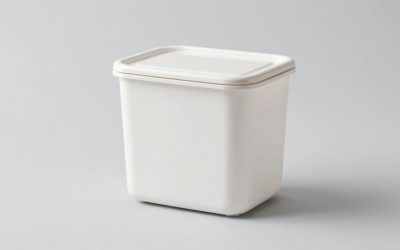
- Best for a pantry: Clear, square-sided airtight containers sized to your most-used dry goods and shelf depth.
- Best lightweight option: BPA-free polypropylene containers with secure lids, especially for lunches and frequent handling.
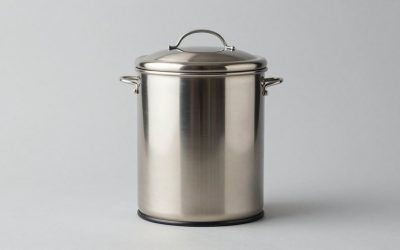
- Best for bulky leftovers: Stainless steel containers with fitted lids; transfer food to a microwave-safe dish before reheating.
Rather than buying the largest set available, check lid compatibility, usable capacity, and whether the containers fit your actual shelves. Those details matter more over time than a matching appearance.
Rubbermaid Brilliance Tritan Plastic Food Storage Containers BPA Free Airtight Lids Ideal for Lunch Meal Prep & Leftovers Set of 5 (3.2 Cup)
Picked as a relevant option in this category.
Check Price on Amazon
Rubbermaid EasyStore Containers, Stackable Food Storage | Neat & Organized Storage, Easy Stacking & Storing, Extended Lip for Handling
Chosen because it specifies 18-Piece Set and Food Storage Containers with Lids.
Check Price on AmazonFreshware Airtight Food Storage Containers with Lids, 48 Piece Pantry Set | Pantry Organizers and Storage, Kitchen Storage Containers for Cereal, Flour, Pasta, Includes Labels, Marker, Measuring Cups
Chosen because it specifies 48 PCS Airtight Food Storage Containers and Plastic Kitchen Containers.
Check Price on AmazonRubbermaid Brilliance Glass Food Storage Containers, Clear, 9-Count | Airtight and Leakproof, Oven-Safe up to 450 Degrees F, Splatter-Free Microwaving Vents, Stain-Resistant, Stackable
Chosen because it specifies Assorted Sizes and Set of 9.
Check Price on AmazonCompare Materials, Seals, and Practical Sizes
Capacities below are common examples, not guarantees for every brand. Container dimensions and lid designs vary, so check the manufacturer’s specifications before buying—especially if you have narrow shelves or a crowded fridge.
| Type | Typical useful size | Strengths | Trade-offs and care | Best fit |
|---|---|---|---|---|
| Glass with locking, gasketed lid | 1–2 cups (240–475 mL); 3–4 cups (710–950 mL); 6–8 cups (1.4–1.9 L) | Resists staining and odors; many glass bases can go from fridge to microwave | Heavy; can chip or break; lids and gaskets may have separate care rules | Leftovers, meal prep, and reheating |
| BPA-free polypropylene plastic | 1–2 cups (240–475 mL); 4–6 cups (950 mL–1.4 L) | Light, often less expensive, and convenient for lunches | May stain or retain odors; heat tolerance varies by product; can warp if overheated | Portable meals and everyday fridge storage |
| Airtight pantry container, usually plastic | About 2–5 L for common dry goods; larger sizes for flour or bulk staples | Clear sides make contents visible; square or rectangular shapes use shelf space efficiently | Seal quality varies; wide lids and gaskets need cleaning; large containers may not fit shelves | Pasta, cereal, baking ingredients, and snacks |
| Stainless steel with fitted lid | About 0.5–1.5 L for lunch or leftovers | Light for its size, durable in routine use, and opaque | Contents are hard to see; not microwave-safe; lid seals vary | Lunches, dry storage, and non-microwave transport |
Glass is often the easiest choice when the same container will store and reheat food, but “microwave-safe” may apply only to the base, not the lid. Plastic labels also differ: dishwasher-safe does not automatically mean microwave-safe. Follow the product’s instructions, and do not heat a sealed container unless its maker specifically says it is designed for that use.
Choose by Kitchen, Not by Set Size
| Your situation | A sensible choice | What to prioritize |
|---|---|---|
| Small kitchen or shallow shelves | A few rectangular containers in two or three capacities | Measure shelf depth and height; favor nested bases and lids that store together |
| Frequent microwave reheating | Glass bases with clearly marked microwave guidance | Confirm lid instructions and avoid sudden temperature changes that could stress glass |
| Lunches, commuting, or kids’ bags | Lightweight plastic or stainless steel, sized to a typical portion | Leak-resistant closures, manageable weight, and easy-to-replace lids |
| Bulk pantry staples | Square-sided airtight containers matched to the food package | Wide openings, a seal that can be cleaned, and enough room to pour or scoop |
| Occasional leftovers on a tight budget | A small set of basic, compatible containers | Replaceable or interchangeable lids and a few versatile medium sizes |
Measure before ordering
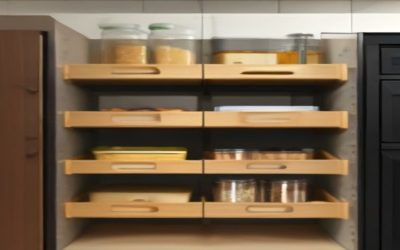
Measure the inside width, depth, and height of the shelf—not the outside of the cabinet. Leave clearance for your hand and for removing a container without tilting it. In a fridge, check the height under shelves and the width of door bins; a container that fits an open counter may block airflow or prevent a drawer from opening.
For pantry staples, compare the container’s listed capacity with the volume of the food you actually buy. A 2 L container does not necessarily hold 2 L of every ingredient: flour, cereal, and pasta pack differently. If the package must fit all at once, bring it to the store or check its dimensions and leave some headroom.
What Makes a Lid Seal—and Stack—Well?
A gasket creates the seal, while clips, a screw lid, or a tight-fitting rim hold it in place. For dry goods, a well-fitting lid helps limit exposure to moisture and pests. For wet leftovers or a bag, look for a product explicitly described as leak-resistant; an airtight pantry lid is not necessarily designed for transport or sideways storage.
- Inspect the gasket: It should sit evenly in its channel, without twists or gaps. Removable gaskets are easier to clean but can be misplaced.
- Check how the clips close: Hinges and latches take repeated stress. A closure that already feels strained may wear sooner.
- Look for stable stacking: Flat, matching lids stack more securely than domed lids. Some designs interlock; others merely balance on top.
- Confirm set compatibility: “Stackable” does not mean lids fit every size in the range. Keep the container-and-lid pairing clear.
Durability and Ownership: What Wears First?
In many sets, the lid is the first weak point—not the container base. Plastic hinges and clips can loosen or crack; silicone gaskets can stretch, hold odors, or go missing; thin plastic bases may warp after unsuitable heating. Glass often stays clear and odor-resistant, but its edges can chip if knocked against a sink or countertop. Stainless steel resists many everyday knocks, though dents are possible and the lid seal may still need replacing.
To extend the life of any material, let hot food cool as directed before sealing, avoid sudden temperature changes with glass, and use only the heating method permitted by the manufacturer. If a lid has a gasket, remove and wash it when the instructions allow, then dry the channel before putting it back. Trapped crumbs and grease can interfere with the seal.
Dishwasher-safe parts can still age faster under high heat, particularly thin lids and gaskets. When longevity matters, hand-wash lids if the manufacturer permits it, and keep containers away from direct heat. Do not use a cracked base, badly warped lid, or damaged gasket for leak-prone storage.
A Practical Buying Plan
Start with the foods you store most often: perhaps two small portions for sauces or snacks, several medium containers for leftovers, and one or two large pieces for batch cooking. Buy a small starter group before committing to a large set. After a week, note which sizes you reach for and whether they fit the shelf, fridge, and dishwasher you use.
General market prices range from lower-cost multipacks of basic plastic containers to higher-priced glass or modular sets. Compare cost by useful piece rather than total piece count: a set with many tiny tubs may be poor value if you mainly store meals. Also check whether lids are sold separately; a replaceable lid can make a damaged set more useful than one that requires replacing every piece.
For most kitchens, a compact combination works best: glass for reheatable leftovers, lightweight containers for transport, and a few properly sized airtight vessels for pantry staples. The right mix is the one that seals reliably, stacks without wobbling, and fits the places where you will actually use it.
FAQ
What Makes a Lid Seal—and Stack—Well?
Durability and Ownership: What Wears First?
More from Amazon
Programs that pair well with the guide above. Offers and eligibility are set by Amazon and may change.
Set up recurring deliveries of everyday items on eligible products. Terms and savings are set by Amazon.
Explore Subscribe & SaveCollect the home and kitchen items you want in one registry that guests can shop from.
Create a wedding registryFree shipping on eligible items, Prime Video and more. Eligible new members can start with a free trial.
Start a Prime free trialAudiobooks and podcasts to listen to on the go. Eligible new members can start with a free trial.
Try Audible freeAs an Amazon Associate we earn from qualifying purchases.
Write Your Review
No reviews yet. Be the first to share your experience!