
Key takeaways
- A 12 oz (340 g) bag of whole beans yields about 20 mugs.
- At $12 to $20 per bag, that is about $0.60 to $1.00 per mug.
- Two mugs a day for a year is around 730 mugs, or roughly $440 to $730 in beans.
- Coffee pods commonly cost about $0.50 to $1.00 each for a smaller serving, and cafe drip coffee usually runs $2.50 to $4.00.
The best whole bean coffee maker for most kitchens is a drip machine with a built-in conical burr grinder, such as the Breville Grind Control or the Cuisinart Burr Grind & Brew, because burrs give a consistent grind that tastes noticeably better than the blade grinders in cheaper models. If you want espresso drinks, a bean-to-cup super-automatic is the right category instead, and if you care most about flavor per dollar, a separate burr grinder plus a good drip brewer often beats any all-in-one.
Three ways to brew from whole beans
| Type | Examples | Grinder | Capacity | Typical footprint (W x D x H) | Price range | Drinks |
|---|---|---|---|---|---|---|
| Grind-and-brew with blade grinder | Cuisinart Grind & Brew 12-cup (blade), Black+Decker Mill & Brew | Blade | 10 to 12 cups (about 50 to 60 oz) | About 9 x 11 x 16 in | $70 to $130 | Drip coffee |
| Grind-and-brew with burr grinder | Breville Grind Control, Cuisinart Burr Grind & Brew | Conical or flat burr | 10 to 12 cups, plus single-cup modes on some | About 9 x 13 x 17 in | $180 to $350 | Drip coffee |
| Bean-to-cup super-automatic | De’Longhi Magnifica Evo, Philips 3200 LatteGo, Jura E-line | Burr (steel or ceramic) | One or two drinks at a time; 1.8 to 2 L water tank | About 10 x 17 x 14 in | $500 to $2,000+ | Espresso, americano, milk drinks |
| Separate grinder + drip brewer | Baratza Encore or OXO Brew Conical Burr Grinder with an SCA-certified drip brewer | Burr | 8 to 12 cups | Two appliances | $200 to $550 combined | Drip coffee, can also grind for pour over or French press |
Why the grinder matters more than the brewer
Blade grinders chop beans unevenly, so one batch contains dust that over-extracts into bitterness and chunks that under-extract into sourness. Burr grinders crush beans between two surfaces set a fixed distance apart, giving a more even particle size and a more balanced cup. Burrs also let you set coarseness, which matters for adjusting strength and flavor.

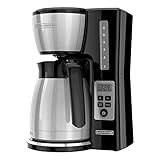
Breville BDC650BSS Grind Control Thermal Carafe, Brushed Stainless Steel
Included for 'Best Whole Bean Coffee Maker in 2026: Burr Grind-and-Brew vs Bean-to-Cup' because the listing specifies Brushed Stainless Steel, details this guide uses to compare options.
View on Amazon
Breville BES870XL Barista Express Espresso Machine, Brushed Stainless Steel
Included for 'Best Whole Bean Coffee Maker in 2026: Burr Grind-and-Brew vs Bean-to-Cup' because the listing specifies Brushed Stainless Steel, details this guide uses to compare options.
View on Amazon
Breville BES881BSS Barista Touch Impress, Brushed Stainless Steel
Included for 'Best Whole Bean Coffee Maker in 2026: Burr Grind-and-Brew vs Bean-to-Cup' because the listing specifies Brushed Stainless Steel, details this guide uses to compare options.
View on Amazon
De'Longhi TrueBrew Drip Coffee Maker, 8 to 24 oz, Built-In Grinder
Included for 'Best Whole Bean Coffee Maker in 2026: Burr Grind-and-Brew vs Bean-to-Cup' because the listing specifies 8 to 24 oz and Built-In Grinder, details this guide uses to compare options.
View on AmazonBlade machines can still make decent coffee with fresh beans, but they control grind by time rather than setting, so results shift with bean amount and roast.
Which whole bean coffee maker suits you
| Your situation | Best type | Why |
|---|---|---|
| 1 to 2 people, drip coffee, tight budget | Blade grind-and-brew or a small burr grinder with an 8-cup brewer | Low cost; fresh grinding still beats pre-ground |
| Family drinking a full pot every morning | Burr grind-and-brew with thermal carafe and timer | Program it the night before, coffee stays hot without a hot plate |
| Lattes and cappuccinos daily | Bean-to-cup super-automatic | Grinds, tamps, brews and steams milk at the push of a button |
| Flavor-focused, likes experimenting | Separate burr grinder + quality drip brewer | Better grind control and you can replace one part when it wears |
| Small counter | Separate compact grinder and 5 to 8-cup brewer | Two slim units can fit where one tall combo cannot under cabinets |
Cost per cup: grinding your own beans
A common brewing ratio is about 55 to 60 grams of coffee per liter of water. A 10 oz (about 300 ml) mug needs roughly 17 grams of beans.
- A 12 oz (340 g) bag of whole beans yields about 20 mugs.
- At $12 to $20 per bag, that is about $0.60 to $1.00 per mug.
- Two mugs a day for a year is around 730 mugs, or roughly $440 to $730 in beans.
- Coffee pods commonly cost about $0.50 to $1.00 each for a smaller serving, and cafe drip coffee usually runs $2.50 to $4.00.
A $250 burr grind-and-brew machine pays for itself against daily cafe coffee within a few months, and within about a year compared with pods if you drink larger mugs.
What to check before buying
- Grind settings: burr models typically offer 6 to 8 or more steps. More settings make it easier to fix bitter or weak coffee.
- Bean hopper size: about 8 oz (225 g) is common. A sealed lid helps beans stay fresh.
- Grinder-off option: lets you brew pre-ground or decaf without emptying the hopper.
- Thermal vs glass carafe: thermal carafes keep coffee hot for hours without scorching it on a warming plate.
- Height: many grind-and-brew machines stand 16 to 18 inches tall. Measure the space under your cabinets, leaving room to open the hopper lid.
- Noise: grinding is loud for 20 to 60 seconds. Early risers in shared homes may prefer a timed program that runs before others wake, or a quieter separate burr grinder.
Ownership realities
The grind chute clogs
The most common complaint with combo machines is grounds packing into the chute between grinder and filter basket, especially with humid kitchens or oily dark roasts. Brush the chute every few days and keep beans in the hopper, not in steam from the brewer.
Oily beans cause trouble
Very dark, shiny beans leave oil on burrs and chutes that turns rancid and slows the grinder. Medium roasts are easier on all grinders, including super-automatics, which often warn against oily beans in their manuals.
Cleaning and descaling schedule
| Task | How often | Time |
|---|---|---|
| Empty and rinse filter basket and carafe | Daily | 2 minutes |
| Brush grinder chute and burrs | Every 2 to 3 days | 3 minutes |
| Deep clean burrs (remove upper burr if allowed) | Monthly | 10 minutes |
| Descale | Every 1 to 3 months depending on water hardness | 30 to 45 minutes |
| Replace water filter (if fitted) | Every 2 months or about 60 tank fills | 2 minutes |
What wears out first
Burrs on home machines generally last for years of daily use before needing replacement. More common failures are carafe lids, gaskets, water level sensors and grinder motors strained by clogs. A model with replaceable parts and an easy-to-reach chute will last longer.
Bottom line
For drip coffee, a burr grind-and-brew such as the Breville Grind Control or Cuisinart Burr Grind & Brew is the best whole bean coffee maker for convenience. If you want espresso-style drinks, choose a bean-to-cup super-automatic from brands like De’Longhi, Philips or Jura. If taste is the priority and you do not mind two appliances, pair a separate burr grinder with a good drip brewer.






Write Your Review
No reviews yet. Be the first to share your experience!