
Key takeaways
- 1 large cauliflower, about 2 pounds, trimmed and cut into 1-inch florets
- 12 ounces cremini or white button mushrooms, wiped clean and sliced ¼ inch thick
- 1 small yellow onion, diced into ¼-inch pieces
- 3 garlic cloves, finely chopped
- 2 tablespoons olive oil, divided
- 2 tablespoons unsalted butter
- ½ teaspoon kosher salt for the vegetables, plus more to taste
- ¼ teaspoon black pepper
- ½ teaspoon smoked paprika
- ½ cup vegetable or chicken broth
- 1 teaspoon Dijon mustard
- 1 tablespoon lemon juice
- 2 tablespoons chopped parsley
- Optional: ¼ cup grated Parmesan, red pepper flakes, or ½ teaspoon dried thyme
This cauliflower mushroom recipe makes a tender skillet dinner in about 35 minutes: use 1-inch cauliflower florets, ¼-inch mushroom slices, and a 12-inch skillet so the vegetables brown instead of steaming.
Cauliflower Mushroom Skillet at a Glance
| Detail | Specification |
|---|---|
| Serves | 3 as a main dish or 4 as a side |
| Total time | 35 minutes |
| Skillet | 12-inch wide, 2-inch-deep skillet or sauté pan |
| Cauliflower cut | Medium florets, about 1 inch across |
| Mushroom cut | ¼-inch slices, or quartered small mushrooms |
| Cooking temperature | Medium-high for browning, medium-low for finishing |
| Approximate active cooking time | 25 minutes |
Ingredients
- 1 large cauliflower, about 2 pounds, trimmed and cut into 1-inch florets
- 12 ounces cremini or white button mushrooms, wiped clean and sliced ¼ inch thick
- 1 small yellow onion, diced into ¼-inch pieces
- 3 garlic cloves, finely chopped
- 2 tablespoons olive oil, divided
- 2 tablespoons unsalted butter
- ½ teaspoon kosher salt for the vegetables, plus more to taste
- ¼ teaspoon black pepper
- ½ teaspoon smoked paprika
- ½ cup vegetable or chicken broth
- 1 teaspoon Dijon mustard
- 1 tablespoon lemon juice
- 2 tablespoons chopped parsley
- Optional: ¼ cup grated Parmesan, red pepper flakes, or ½ teaspoon dried thyme
Why the Cut and Pan Size Matter
Cauliflower pieces larger than 1½ inches often remain firm in the center when the mushrooms are ready. Pieces smaller than ¾ inch can become soft before they develop browned edges. A consistent 1-inch cut gives the florets enough surface area to caramelize while still becoming tender during the covered portion of cooking.

Essential Spice Dried Cauliflower Mushrooms – Frilly Texture & Mild, Nutty Flavor – Ideal for Stir-Fries, Soups, Braises & Broths – Wild-Harvested, Easy to Rehydrate, Gourmet Ingredient (2 oz)
Included for 'Cauliflower Mushroom Recipe: Easy Skillet Dinner' because the listing specifies Frilly Texture & Mild and Nutty Flavor, details this guide uses to compare options.
View on Amazon
Flavorful Cauliflower Rice Recipes: How To Cook Cauliflower Rice Deliciously
Included for 'Cauliflower Mushroom Recipe: Easy Skillet Dinner' as a relevant option in this category; details come from the product listing.
View on Amazon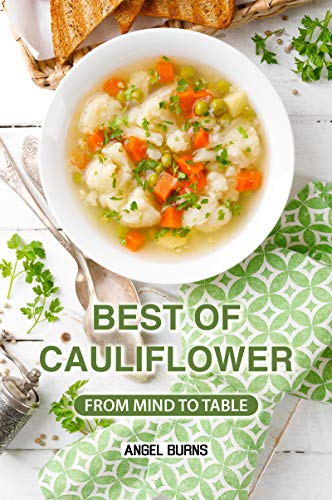
Best of Cauliflower: From Mind to Table
Included for 'Cauliflower Mushroom Recipe: Easy Skillet Dinner' as a relevant option in this category; details come from the product listing.
View on Amazon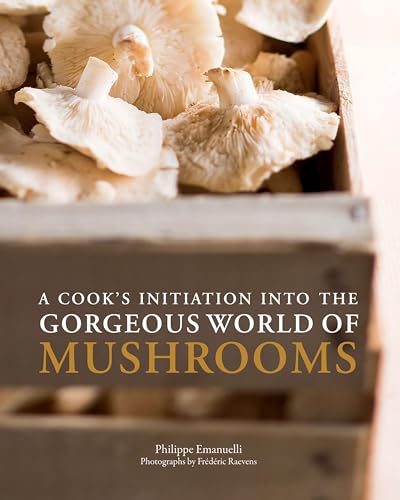
A Cook's Initiation into the Gorgeous World of Mushrooms
Included for 'Cauliflower Mushroom Recipe: Easy Skillet Dinner' as a relevant option in this category; details come from the product listing.
View on AmazonMushrooms release water as they cook. Slicing them ¼ inch thick gives them enough mass to brown without disappearing into the sauce. A 12-inch skillet provides approximately 113 square inches of cooking surface, enough room for this quantity to sit mostly in one layer. In a 10-inch skillet, the vegetables will be deeper and more crowded; use two batches for the mushrooms or expect less browning.
How to Make the Cauliflower Mushroom Recipe
1. Prepare the vegetables
Cut the cauliflower into evenly sized 1-inch florets, including the tender upper part of the stem. Peel the stem and cut it into ¼-inch slices so it cooks at the same rate. Wipe the mushrooms with a damp towel or quickly rinse and dry them thoroughly. Slice the mushrooms ¼ inch thick. Chop the onion and garlic separately because they enter the skillet at different times.
2. Brown the cauliflower
Heat a 12-inch skillet over medium-high heat for 2 minutes. Add 1 tablespoon of olive oil and the cauliflower in a single layer. Sprinkle with ¼ teaspoon of the salt. Cook for 5 minutes, stirring every 60 to 90 seconds, until several sides have golden-brown spots.
Do not cover the pan at this stage. A lid traps steam and makes the cauliflower pale and watery rather than browned. Transfer the cauliflower to a plate. It will not be fully tender yet.
3. Cook the mushrooms and onion
Add the remaining tablespoon of olive oil to the same skillet. Add the mushrooms in as even a layer as possible and cook for 5 to 6 minutes. Leave them undisturbed for the first 2 minutes, then stir occasionally. They should shrink, release their moisture, and develop browned edges.
Add the diced onion and cook for 3 minutes, stirring twice. Add the garlic, smoked paprika, black pepper, and remaining ¼ teaspoon salt. Cook for 30 seconds, just until the garlic smells fragrant.
4. Finish the skillet
Return the cauliflower to the pan. Whisk the broth and Dijon mustard together, then pour the mixture around the vegetables. Reduce the heat to medium-low, cover, and cook for 7 to 9 minutes.
Check a floret with a fork at 7 minutes. It should offer slight resistance but not feel crunchy in the center. If the pan is dry before the cauliflower is tender, add 2 tablespoons of water or broth and continue cooking for 2 minutes at a time.
Remove the lid and add the butter. Stir for 1 to 2 minutes, allowing the liquid to reduce into a light coating. Turn off the heat and stir in the lemon juice and parsley. Taste before adding more salt. Add Parmesan or red pepper flakes if desired.
Skillet Choices by Cooking Situation
| Your situation | Best skillet type | Useful size | What to expect |
|---|---|---|---|
| Occasional cooking or a limited budget | Aluminum nonstick skillet with a lid | 12 inches | Easy release and quick heating; use silicone or wooden utensils |
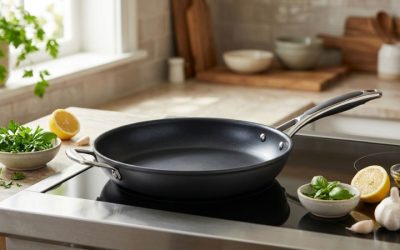
| Frequent weeknight cooking | Tri-ply stainless-steel sauté pan with lid | 12 inches, 2 to 3 inches deep | Strong browning and durability; preheat properly to reduce sticking |
| Maximum heat retention | Cast-iron skillet with a separate lid | 12 inches | Excellent searing but heavier and slower to cool |
| Small kitchen or one to two servings | Nonstick or stainless-steel skillet | 10 inches, half batch only | Use ½ cauliflower, 6 ounces mushrooms, and ¼ cup broth |
Ingredient Swaps That Preserve the Texture
- Cauliflower: Use 1½ pounds of broccoli florets, but shorten the covered cooking time to 4 to 6 minutes. Broccoli stems should be peeled and sliced thinly.
- Mushrooms: Baby bella, white button, shiitake, or oyster mushrooms work well. Remove tough shiitake stems; tear oyster mushrooms into bite-sized pieces.
- Butter: Replace it with another tablespoon of olive oil for a dairy-free version. The finished sauce will be lighter.
- Broth: Water works, but broth supplies more flavor. A dry white wine can replace half the broth; simmer it for 2 minutes before covering.
- Dijon mustard: Use 1 teaspoon whole-grain mustard or ½ teaspoon soy sauce. If using soy sauce, reduce the added salt.
- Protein: Stir in a drained 15-ounce can of chickpeas during the final 3 minutes, or add 8 ounces of cubed extra-firm tofu after the mushrooms brown.
- Vegan finish: Use olive oil instead of butter and omit Parmesan. Nutritional yeast can add a savory note, but it is optional.
Common Mistakes and Ownership Realities
Overcrowding is the main failure point. If mushrooms cover the skillet in a thick layer, they steam. Cook them in two batches, using 1 teaspoon of oil per batch, if your pan is smaller than 12 inches.
Wet mushrooms also resist browning. Dry them well before slicing, and do not salt them until they begin to color. Salt draws out moisture and can extend the browning time.
A thin skillet can scorch the garlic. Add garlic only after the mushrooms and onion have softened, and cook it for no more than 30 seconds before adding liquid.
For long-term use, the part most likely to show wear on a nonstick skillet is the coating, especially if metal utensils, abrasive scrubbers, or high heat are used. Replace a pan when the coating is visibly peeling or extensively damaged. Stainless steel and cast iron avoid that coating issue, but stainless steel may develop stuck-on fond and cast iron requires prompt drying and a light oil film to limit rust. For any pan, soak cooked-on residue for 10 minutes, wash with a soft sponge, and dry it fully before storage.
What to Serve with It
Serve the skillet over rice, pearl couscous, quinoa, or crusty bread to catch the broth-based sauce. For a lighter plate, add a simple green salad. The recipe is substantial as written, but chickpeas, white beans, tofu, or a fried egg can make it more filling without changing the cooking method.
Frequently Asked Questions
Can I use frozen cauliflower?
Yes, but do not thaw it first. Add the frozen florets after browning the mushrooms and onion, use ¼ cup broth, cover, and cook for 10 to 12 minutes. Frozen cauliflower generally releases more water and will not brown as deeply as fresh cauliflower.
Can I prepare it ahead?
Cooked leftovers keep in a covered container in the refrigerator for up to 3 days. Reheat in a skillet over medium heat with 1 tablespoon of water or broth, stirring for 5 to 7 minutes. The mushrooms will soften slightly after refrigeration, but the sauce will remain flavorful.
How do I know when the cauliflower is done?
Insert a fork into the thickest part of a floret. It should slide in with light resistance, while the outer edges remain intact. If it collapses or breaks apart, it has cooked too long.



Write Your Review
No reviews yet. Be the first to share your experience!