
Choosing a gooseneck kettle vs standard electric kettle for pour over coffee is less about boiling water and more about controlling how that water reaches the grounds. Both kettle types can heat water quickly, shut off automatically and fit comfortably on a kitchen counter. The real decision is whether you value a slower, more precise pour or a faster, higher-capacity appliance that handles everyday household work.
A gooseneck kettle is designed for a controlled stream. Its narrow, curved spout helps you wet a coffee bed gradually, maintain an even flow and avoid disturbing the grounds. A standard electric kettle usually has a wider spout that releases water faster, which is convenient for tea, oatmeal and filling a French press but less forgiving during pour over brewing. Capacity, counter space, budget and household habits matter just as much as coffee technique.
Our top picks
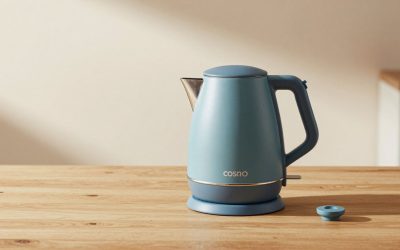
 Cosori Gooseneck Electric Kettle with Temperature Control
- 5 𝑶𝑵𝑬-𝑻𝑶𝑼𝑪𝑯 𝑷𝑹𝑬𝑺𝑬𝑻𝑺: Your Gooseneck Electric Kettle features…
- 1-𝑯𝑶𝑼𝑹 𝑲𝑬𝑬𝑷 𝑾𝑨𝑹𝑴: Use the HOLD TEMP function…
- 𝑬𝑹𝑮𝑶𝑵𝑶𝑴𝑰𝑪 𝑫𝑬𝑺𝑰𝑮𝑵: Refined ergonomic design allows for precise…
 Bodum 27oz Bistro Gooseneck Electric Water Kettle
- Electric gooseneck kettle, ideal for use with pour…
- Elegant, ergonomic design that gives you full control…
- Made of attractive, durable stainless steel
 Chefman Gooseneck Electric Kettle
- Our 1000W rapid boil heating quickly brings your…
- Simplify your setup for your morning routine
- The blue LED lights under the handle illuminate…
As an Amazon Associate we earn from qualifying purchases at no extra cost to you.
Quick Verdict
Choose a gooseneck kettle if pour over coffee is a frequent ritual and you want the easiest path to consistent extraction. The long, narrow spout gives you better control over flow rate and placement, especially when making one or two cups. Temperature-control models are particularly useful because many light and medium roasts taste best when brewed with water in the roughly 195°F to 205°F range.
Choose a standard electric kettle if you want one appliance for several jobs, need more water at once or prefer the lowest upfront cost. A standard model commonly holds 1.5 to 1.7 liters, while many electric gooseneck kettles hold about 0.8 liter. That smaller capacity is plenty for a single pour over, but it may feel limiting for a family.
For dedicated coffee drinkers, the gooseneck is usually the better tool. For a mixed-use kitchen, a standard kettle is often the more practical purchase.
Side by Side
| Factor | Gooseneck electric kettle | Standard electric kettle |
|---|---|---|
| Pour control | Excellent; narrow spout supports a slow, steady stream | Fair to good; faster flow takes more practice |
| Comfort | Often lighter at about 2 to 3 lb empty, but the small handle can feel less natural | Usually comfortable for larger fills, though a full 1.7-liter kettle can weigh more than 4 lb |
| Durability | Stainless steel bodies are common; electronics and thin spouts need careful handling | Wide range, from basic plastic to sturdy stainless steel; fewer pour-specific parts |
| Price range | About $30 to $100, with temperature control generally costing more | About $25 to $150, depending on capacity, materials and features |
| Maintenance | Needs regular descaling and careful cleaning around the narrow spout | Usually easier to rinse, fill and wipe; wide openings vary by model |
| Space needed | Typically about 10 to 12 inches tall and 7 to 9 inches wide with the base | Often about 9 to 11 inches tall and 6 to 9 inches wide, but shapes vary |
| Look | Specialty-coffee appearance; matte black and stainless finishes are common | More utilitarian, though glass and stainless designs can look polished |
| Resale | Strongest for recognizable coffee-focused brands in good condition | Usually modest; common household kettles depreciate quickly |
| Best for | Pour over coffee, tea, precise single-cup brewing | Families, tea, instant foods, French press and general boiling |
Wattage is another practical difference. Most countertop electric kettles draw roughly 1,000 to 1,500 watts in the United States. A 0.8-liter gooseneck model may heat a modest amount of water quickly, while a larger standard kettle may use similar power for a greater volume. A dedicated 15-amp kitchen circuit is normally sufficient, but avoid running a high-wattage kettle alongside other major appliances on the same circuit.
Where Gooseneck Kettle Wins
The spout is the main advantage. During a pour over, you can circle the coffee bed, pause between pours and target dry areas without flooding one section. That control helps with common techniques such as blooming coffee for 30 to 45 seconds and then adding water in measured pulses. It does not guarantee better coffee—the grinder, coffee freshness and brewing recipe still matter—but it makes a repeatable technique easier.
A gooseneck kettle also encourages measured brewing. Many models are built around a 0.8-liter capacity, which is appropriate for roughly one or two servings depending on the coffee-to-water ratio. A full kettle can provide enough water for a 12-ounce mug while leaving room for safe heating. The smaller footprint and specialty-coffee design may also suit a coffee station better than a large household kettle.
Temperature control is another meaningful benefit. Instead of waiting for a full boil and estimating cooldown time, you can select a target temperature. Temperature presets are useful for switching between coffee and tea, although controls add electronics that may eventually fail and can increase the purchase price.
There is also a tactile benefit. A controlled stream makes it easier to slow down and pay attention to the brew. For someone who prepares pour over every morning, that precision may justify spending more than the minimum.
Where Standard Electric Kettle for Pour Over Wins
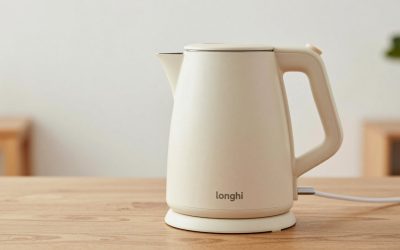
A standard electric kettle wins on versatility. Its wider spout may be less precise, but it is faster and easier for filling a French press, preparing several mugs of tea or boiling water for pasta, soup and oatmeal. Larger capacities of 1.5 to 1.7 liters are especially useful when more than one person wants a hot drink.
It is also a simpler choice for casual pour over drinkers. You can improve control by pouring slowly, using a smaller cup and keeping the kettle close to the brewer. Some standard kettles have a relatively narrow spout, so the gap between them and entry-level gooseneck models is not always dramatic for occasional use.
Upfront pricing can favor a standard kettle, although basic gooseneck models are competitive. Those prices show that a gooseneck does not automatically mean a premium purchase. A standard kettle may still offer more capacity for the same money.
Finally, standard kettles can be easier to share. A guest or child can fill one for tea without needing to understand a delicate pulse-pouring technique. For a busy kitchen, convenience may matter more than maximum control.
Cost Over 5 Years
Purchase price is only part of the cost. Most buyers do not need to spend at the top of either range.
Replacement filters, if a model uses them, can add more.
Electricity is usually a minor difference. Heating 0.8 liter requires less energy than heating 1.7 liters, but the actual cost depends on local utility rates and how often you boil water. The bigger potential expense is replacement: a kettle that fails after two years costs more over time than a moderately priced model that lasts five years. Look for boil-dry protection, auto shut-off, a removable lid or wide opening, and a warranty with clear coverage.
Which One for Your Home
Small apartment
Choose a gooseneck kettle if you primarily make one or two cups and want a compact coffee station. A 0.8-liter model avoids the bulk of a large kettle, although its tall shape may need clearance beneath upper cabinets. Choose a standard kettle if limited counter space is better served by one multipurpose appliance.
Family with kids or pets
A standard kettle is generally the more practical option because its larger capacity reduces repeat boiling. However, prioritize a stable base, cool-touch surfaces, a secure lid and an automatic shut-off feature. Keep either kettle well away from counter edges; a long gooseneck spout can be particularly easy to bump.
Rental
Renters who expect to move should favor a mid-priced model with a compact base and straightforward controls. A gooseneck is worthwhile if pour over is a daily habit, while a standard kettle makes more sense if kitchen use changes from home to home. Avoid paying extra for app connectivity or features you will not use.
Long-term home
Buy for your established routine. Dedicated coffee drinkers should consider a temperature-control gooseneck with a comfortable handle and repair or warranty support. Households that regularly prepare tea, French press coffee and hot foods should choose capacity and easy cleaning over specialty spout design.
FAQ
Can you use a standard electric kettle for pour over coffee?
Yes. Pour slowly and keep the stream close to the coffee bed. A standard kettle may require more practice to avoid channeling or disturbing the grounds, but it can produce good coffee when paired with a consistent recipe.
Is temperature control necessary for pour over?
No. It is convenient, not essential. You can boil water and let it cool briefly, though the exact cooling time depends on the starting temperature, kettle material, room conditions and amount of water. Temperature control is most useful when you brew often or switch among coffee and different teas.
What size gooseneck kettle should I buy?
A 0.8-liter kettle suits one or two servings and is a common size for home pour over. Consider a larger model if you regularly brew for several people, but check its filled weight and counter footprint before buying.
How often should an electric kettle be descaled?
Descale when you see white mineral buildup, hear unusual boiling sounds or notice slower heating. In hard-water areas, that may mean every one to three months; with filtered or soft water, it may be less frequent. Follow the manufacturer’s cleaning instructions rather than immersing the electrical base.
Write Your Review
No reviews yet. Be the first to share your experience!