
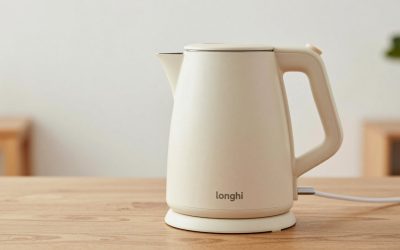
Choosing between a variable temperature electric kettle vs standard kettle is not simply a question of which one boils water faster. The real decision is whether you want precise control and push-button convenience, or a lower-cost appliance that works on the stovetop and can last for many years. Your tea and coffee habits, available counter space, kitchen safety needs, and tolerance for another plugged-in appliance all matter.
A variable temperature kettle heats water to a selected setting, often between about 160°F and 212°F, while a standard kettle generally brings water to a full boil. “Standard kettle” usually means a stovetop model made from stainless steel or another heat-resistant material. Both can prepare hot drinks and boiling water effectively, but they suit different homes. Here is how the choice looks in 2026.
Our top picks
 Chefman Electric Kettle with Temperature Control
- Chefman kettles boil water fast
- Custom temperature control includes seven presets with boiling…
- Easily see when your glass teapot with infuser…
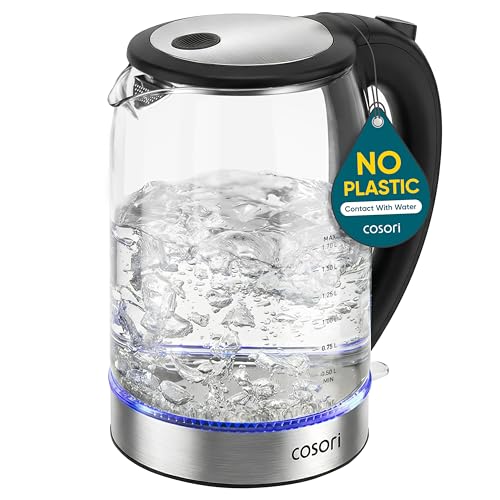 Cosori Electric Kettle
No plastic touches the water for cleaner taste
Wide mouth and lid make cleaning easy
Auto shuts off within 30 seconds of boiling
Speed claim covers only a 0.5 liter portion of the tank
Corded kettle must stay plugged in while boiling
 Primula Stewart Whistling Tea Kettle for Stovetop
- Crafted from durable stainless steel, the Stewart stovetop…
- Heats water rapidly for tea, coffee, or cocoa
- Flip-up whistling spout allows smooth, controlled pouring and…
| Product | Key specs | |
|---|---|---|
| Chefman Electric Kettle with Temperature Control | Chefman kettles boil water fast Custom temperature control includes seven presets with boiling… Easily see when your glass teapot with infuser… | Check price |
| Cosori Electric Kettle | Check price | |
| Primula Stewart Whistling Tea Kettle for Stovetop | Crafted from durable stainless steel, the Stewart stovetop… Heats water rapidly for tea, coffee, or cocoa Flip-up whistling spout allows smooth, controlled pouring and… | Check price |
 2.7 Quart | Size: 7.4 inch x 6.9 inch, volume is… Material: food grade stainless steel with purple coating… Design: the kettle with anti scalding handle and… | Check price |
As an Amazon Associate we earn from qualifying purchases at no extra cost to you.
Quick Verdict
Choose a variable temperature electric kettle if you regularly brew green or white tea, use a pour-over coffee maker, want water ready with minimal supervision, or value automatic shutoff and temperature holding.
Choose a standard stovetop kettle if upfront price, long-term simplicity, and durability are your priorities. They do require more attention and generally provide less precise temperature control.
Side by Side
| Category | Variable temperature electric kettle | Standard stovetop kettle |
|---|---|---|
| Comfort | Press a button, select a temperature, and let the kettle shut off automatically. Some include keep-warm settings. | Simple to fill and use, but you must turn on the burner and listen for a whistle or watch for steam. |
| Temperature control | Typically offers presets from about 160°F to 212°F, with some models allowing one-degree adjustments. | Designed primarily for boiling; exact lower temperatures are difficult to achieve consistently. |
| Durability | Heating elements, buttons, sensors, and electronics can eventually fail, even when the body remains usable. | Fewer parts to break. Stainless steel can last for many years with reasonable care. |
| Price range | ||
| Maintenance | Needs periodic descaling, interior rinsing, and care around the electrical base and controls. | Needs descaling and wiping, but has no corded base or electronics to protect. |
| Space needed | Usually about 8 to 10 inches tall and 8 to 9 inches wide, plus room near an outlet. | Often about 8 to 11 inches tall and 8 to 10 inches wide, but stores easily without a base. |
| Look | Glass, stainless steel, and illuminated designs can look contemporary but may show fingerprints or water spots. | Stainless steel and enamel finishes suit traditional, farmhouse, and minimalist kitchens. |
| Resale and replacement | Used value is limited because electronics age quickly; replacing the whole unit is common. | Simple, recognizable designs can remain useful or giftable for longer. |
| Best for | Tea drinkers, pour-over coffee users, busy households, and anyone who wants repeatable temperatures. | Budget-conscious buyers, occasional users, renters, and homes that prefer low-tech appliances. |
Where Variable Temperature Electric Kettle Wins
The strongest advantage is control. Green tea can taste harsh when brewed with fully boiling water, while white tea and some specialty coffees benefit from lower settings. A variable kettle lets you select a repeatable temperature instead of waiting for boiled water to cool. Common presets include 175°F for green tea, 185°F for white tea, 195°F for coffee, and 212°F for black tea or cooking.
Convenience is another major benefit. Fill the kettle, choose a setting, and press start. Automatic shutoff reduces the chance of leaving an active burner on, and many models stop heating when the water reaches the target. Keep-warm functions may maintain the selected temperature for 30 minutes to two hours, although they use additional electricity.
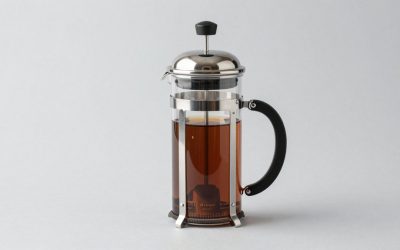
Electric kettles are also efficient for small quantities. Heating two cups of water in a dedicated kettle avoids warming a large burner and pan. A typical 1.7-liter model is enough for several mugs, while a 1.8-liter model is useful for a French press, multiple tea servings, or cooking tasks. Look for a concealed heating element, a wide opening, a removable filter, and a clearly visible water-level window.
These prices illustrate why electric kettles are no longer automatically a premium purchase, although features and construction vary considerably.
Where Standard Kettle Wins
A stovetop kettle is hard to beat for simplicity. There is no display, programming menu, charging connection, or separate power base. Place it on a compatible burner, fill it below the maximum line, and remove it when the water boils. If the power goes out, it can still work on a gas range, camp stove, or other suitable heat source.
Standard kettles also offer excellent material longevity. A stainless steel body may tolerate years of daily heating, and a worn handle or lid can sometimes be repaired or replaced. That does not mean every model is indestructible: thin metal can dent, whistle mechanisms can clog, and painted finishes may wear. Still, the basic design has fewer failure points than an electronic appliance.
Price is a clear advantage. A 3-liter capacity is useful for entertaining, but it also takes longer to heat when only one or two cups are needed. For everyday use, 1.5 to 2 quarts is often easier to lift and store.
The trade-off is supervision. A whistle tells you the water is boiling, but it does not prevent evaporation if you ignore it. Handles and lids can become hot, and the kettle’s exterior may remain warm after the burner is off. Families should look for a secure lid, a heat-resistant handle, and a spout that pours without sudden splashing.
Cost Over 5 Years
Purchase price is only part of ownership cost. Over five years, the electric model may be the cheaper option if it prevents frequent burner use and lasts the full period. However, an electronic failure after two or three years can make replacement necessary.
For energy, heating one liter of water from room temperature to boiling requires roughly 0.1 kilowatt-hour in ideal conditions. Actual consumption is higher because of heat loss. A gas or electric stovetop may use a similar amount of energy for a small kettle, but efficiency varies widely by burner, pan fit, lid use, and heat setting.
Someone boiling one liter twice daily might use roughly 70 to 110 kilowatt-hours per year with an electric kettle, depending on efficiency and whether the keep-warm feature is used. A standard kettle may have comparable heating costs, but the difference is difficult to predict without measuring the specific stove. Buying only the water you need matters more than small efficiency differences.
Which One for Your Home
Small apartment
Choose an electric kettle if counter space is available near an outlet and you make tea or coffee every day. A 1.5- to 1.7-liter model is large enough without being cumbersome. Choose a standard kettle if you have limited outlets, a reliable stovetop, or cabinets where an unplugged kettle can be stored easily. Measure the space: a kettle that is 9 inches wide may compete with a toaster or coffee maker.
Family with kids or pets
An electric kettle with automatic shutoff can reduce the risk of an unattended burner, but it still contains very hot water and should sit well away from edges. A cordless base does not mean the kettle is child-safe. If you prefer a stovetop model, choose a locking or secure lid, a cool-touch handle, and a whistle that is easy to hear without encouraging children to handle it.
Rental
An electric kettle is convenient when the range is old, slow, or shared, and it is easy to take when you move. A standard kettle may be the better bargain if you already have a suitable stovetop and do not want another appliance. Avoid assuming an induction cooktop works with every stainless steel kettle; check for induction compatibility before purchasing.
Long-term home
Frequent tea drinkers and pour-over coffee users will probably appreciate a variable temperature model enough to justify the added electronics. For occasional boiling, a well-made stainless steel stovetop kettle is the more durable choice. Either way, descale when mineral deposits appear, avoid boiling an empty kettle, and do not overfill above the marked maximum.
FAQ
Is a variable temperature kettle worth it for regular tea?
It is worthwhile if you drink green, white, oolong, or specialty tea, since lower temperatures can make repeatable brewing easier. If you mainly drink black tea and want fully boiling water, a standard kettle may provide everything you need.
Do electric kettles boil faster than stovetop kettles?
Often, but not always. A 1,500-watt electric kettle can heat a small amount quickly, while a powerful induction burner may be equally fast or faster. Starting with less water and keeping a lid on a stovetop kettle also affects the result.
What capacity should I buy?
Choose 1 to 1.2 liters for one or two people, 1.5 to 1.8 liters for a typical household, and 2.5 to 3 liters for frequent entertaining. Larger capacity adds weight and may waste energy if you routinely heat only one mug.
Can I use a variable temperature kettle for cooking?
Yes, if the manufacturer permits it and the water-only design is kept clean. It can provide hot water for oatmeal, instant noodles, blanching, or a French press. Do not add milk, soup, sugar, or loose ingredients unless the instructions specifically allow them.
Write Your Review
No reviews yet. Be the first to share your experience!