
Choosing between a drip coffee maker and a French press for daily use is less about which method makes “better” coffee and more about how coffee fits into your morning. The real decision is whether you want a mostly automatic appliance that can brew several cups on a schedule, or a compact manual brewer that gives you more control with fewer parts. Counter space, cleanup habits, household size, and how quickly you need your first cup all matter.
For 2026 kitchens, both options remain practical. The bigger difference is how much attention each one asks from you every day.
Our top picks
 BLACK+DECKER 12-Cup Drip Coffee Maker with Vortex
Sneak-a-cup lets you pour before brewing finishes
Water window shows exact fill level for accuracy
24-hour programmable brew wakes you to fresh coffee
Requires standard paper filters, not included reusable one
Auto shutoff after only 2 hours needs reheating later
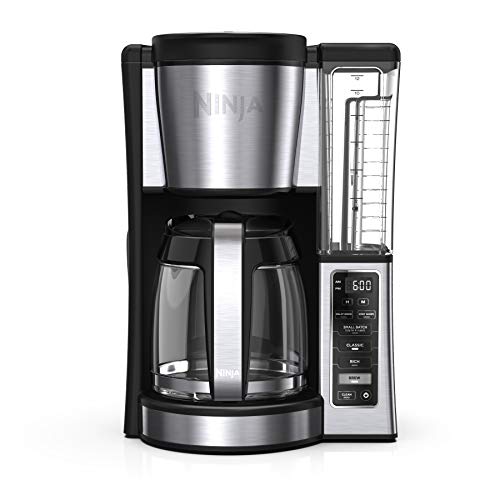 Ninja Fresh Brew Coffee Maker
Choose Classic or Rich brew strength styles
Small batch function avoids diluted 1-4 cup brews
Warming plate keeps coffee fresh up to 4 hours
Coffee only stays warm for 4 hours max
Glass carafe needs careful handling to avoid breakage
 French Press Replacement Filter
- [SOLD IN PACKS OF FIVE]:Designed for coffee lovers,…
- [SPECIFICATION]:This stainless steel filter measures 2.56 inches in…
- [FILTER YOUR COFFEE OR TEA]:This filter can easily…

As an Amazon Associate we earn from qualifying purchases at no extra cost to you.
Quick Verdict
Choose a drip coffee maker if you want convenience, a larger batch, programmable brewing, and a cleaner cup with fewer grounds. It is usually the better fit for families, shared kitchens, and anyone who wants coffee ready while getting dressed or packing lunches.
Choose a French press if you value rich, full-bodied coffee, a small footprint, and low long-term costs. It works especially well for one or two drinkers who do not mind boiling water, steeping for several minutes, and washing the brewer after each use.
In short, drip wins on routine and volume; French press wins on simplicity, portability, and control.
Side by Side
| Factor | Drip Coffee Maker | French Press |
|---|---|---|
| Comfort | Press a button; many models offer auto-start and warming plates. | Requires heating water, pouring, steeping, and pressing manually. |
| Durability | Typically lasts about 3–7 years, depending on the heating element and carafe. | Glass models may last years with care; stainless steel versions can last longer. |
| Price range | Varies | |
| Maintenance | Needs filter changes, carafe washing, and periodic descaling. | Needs grounds emptied and the filter, plunger, and vessel washed after use. |
| Space needed | Roughly 8–12 inches wide and 10–15 inches deep, plus vertical clearance. | Usually about 5–7 inches wide and 7–10 inches tall. |
| Look | More appliance-like, with plastic, metal, glass, and digital controls. | Simple and decorative, especially in glass, ceramic, or brushed steel. |
| Resale | Limited resale value after use; clean, complete models fare best. | Usually modest resale value, though quality stainless steel presses hold appeal. |
| Best for | Multiple cups, busy mornings, offices, and scheduled brewing. | |
| Typical energy use | Approximately 900–1,500 watts while brewing, then less for warming. | No brewing electricity, though an electric kettle commonly uses 1,000–1,500 watts briefly. |
Where Drip Coffee Maker Wins
The strongest argument for a drip coffee maker is repeatable convenience. Add water and grounds, press a button, and the machine handles the brewing cycle. Many models can be programmed several hours ahead, which is useful when mornings begin before everyone else is awake. A standard 10- or 12-cup machine can also serve several people without making separate batches.
Capacity is another advantage. A “12-cup” machine generally refers to five-ounce coffee-maker cups, not twelve large mugs. Even so, it often produces about 60 fluid ounces, enough for several servings. By comparison, a four-cup French press may yield roughly 17 ounces, depending on the brand’s cup measurement and how much coffee you use.
Drip brewing also tends to produce a lighter, cleaner cup. Paper filters catch most fine sediment and some of the oils that give French press coffee its heavier texture. That can be preferable if you drink multiple cups, add milk, or dislike grit at the bottom of your mug.
Basic machines are affordable. These prices illustrate the broad difference between entry-level and midrange drip machines without making either one a universal best choice.
The tradeoff is that a drip maker occupies permanent counter space and contains more components that can fail. The hot plate, pump, controls, and heating system also make it less convenient to move or store between uses.
Where French Press for Daily Use Wins
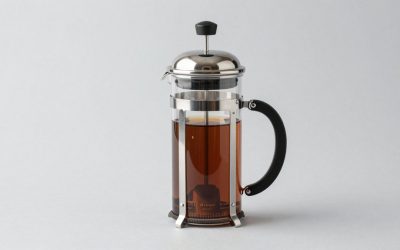
A French press is appealing because it does one job with very little equipment. There is no warming plate, programming panel, or built-in heating system. You heat water separately, combine it with coarsely ground coffee, wait around four minutes, and press the plunger.
French press coffee typically has a fuller body because a metal mesh filter allows more oils and fine particles into the cup. It can taste especially satisfying with medium or dark roasts. The same texture may feel too heavy to drinkers who prefer a bright, clear brew, so taste should be part of the decision rather than an afterthought.
Storage is easy. A compact press can sit in a cabinet or on a shelf, leaving the counter available for a toaster, blender, or food-preparation space. It also travels well to a vacation rental or office kitchen, provided you have access to hot water and a way to grind coffee.
There are fewer consumables, too. You do not need paper filters, and replacing a worn filter is inexpensive.
However, daily use requires a consistent cleanup routine. Grounds should be removed promptly rather than washed down a sink drain, and the plunger assembly needs to be disassembled occasionally. Glass carafes are also vulnerable to drops and sudden temperature changes. A stainless steel press costs more and may be heavier, but it is generally better suited to rough handling.
Cost Over 5 Years
Purchase price alone does not tell the whole story.
These are planning ranges rather than guarantees. A programmable drip machine may need replacement before five years, while a well-cared-for stainless steel French press may last much longer. Electricity costs also vary by local rates and by whether a drip machine keeps coffee warm for an hour or more.
Which One for Your Home
Small apartment
A French press is usually the better space-saving choice. It can be stored in a cabinet, uses no dedicated outlet, and leaves the counter clear. Pick a 12- to 17-ounce model for one drinker or a 27- to 34-ounce model for two. A drip maker makes sense only if multiple people need coffee at once or you strongly value automatic brewing.
Family with kids or pets
A drip machine is often more practical for a busy household. Its larger carafe can serve several people, and programmable brewing reduces morning tasks. Choose a model with a secure lid, a stable base, and an automatic shutoff. Keep in mind that a glass carafe and hot plate still create a burn and breakage risk, so place the machine well away from curious hands and leashes.
Rental
Both methods work well, but a French press is easier to move between homes and less dependent on counter layout. It also avoids drilling, permanent installation, or concern about an appliance that clashes with a landlord-provided kitchen. If you choose a drip maker, a compact 8- or 10-cup model may be easier to pack than a 12-cup machine.
Long-term home
This is the best setting for choosing based on routine rather than portability. A drip maker earns its space when you brew several cups daily and can give it a dedicated area near an outlet and water source. A French press is the better long-term choice for a household that values fewer appliances and a slower ritual. For an intentional kitchen display, its simple silhouette can sit comfortably beside cookbooks or decor; even a book such as Daily Life during the French Revolution
FAQ
Is a French press cheaper than a drip coffee maker?
Usually. French press brewing also avoids paper filters, although you still need a kettle or another way to heat water.
Which method is easier to clean every day?
It depends on what you find tedious. A drip maker has more occasional maintenance, including descaling and cleaning the filter basket, but daily cleanup is often just removing a paper filter and washing the carafe. A French press has no paper waste, but grounds and the plunger need attention after every batch.
Does a French press make stronger coffee?
It can make a fuller, more concentrated-tasting cup, but strength depends on the coffee-to-water ratio, grind, and steeping time. Drip coffee can also be made strong by using more grounds, though its paper filtration produces a cleaner texture.
Can a French press replace a drip coffee maker for a family?
Yes, but you may need multiple batches. For three or more regular coffee drinkers, a drip maker is generally faster and less labor-intensive. A large French press can serve more people, though its heavier body and larger volume make pouring and cleanup less convenient.
Write Your Review
No reviews yet. Be the first to share your experience!